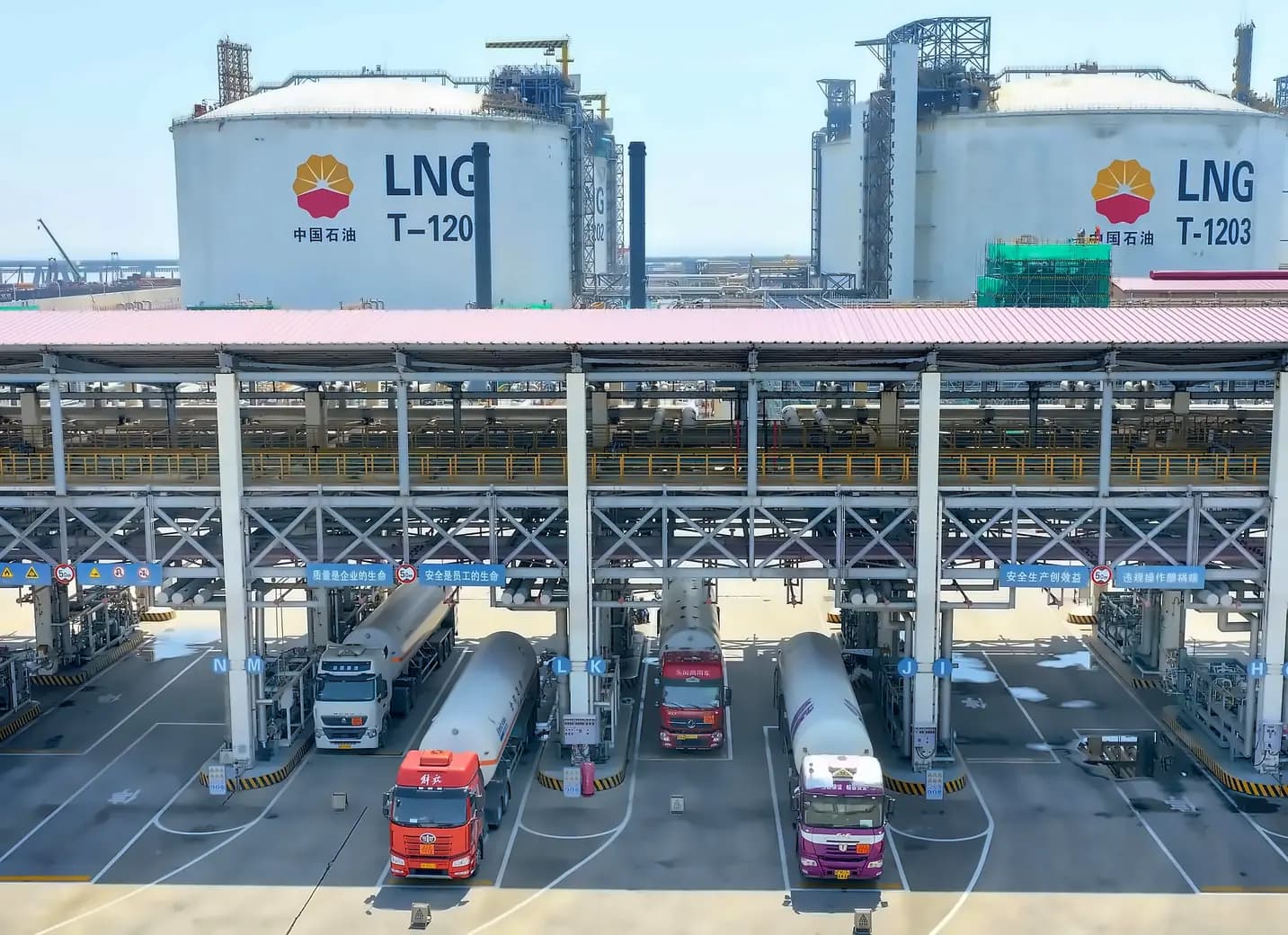
According to reports from CNBC TV18, JPMorgan forecasts that China's crude oil imports are set to recover from August after experiencing a significant decline during the West Asia conflict. The world's largest oil importer had seen its crude oil imports plunge to their lowest level in eight years during the ongoing conflict, creating substantial disruption in global energy markets. As reported by JPMorgan's head of Asia energy & chemicals research Parsley Ong, China's crude imports shrank by an unprecedented 4.8 million barrels per day (mbd) between February and May — a steeper drop than the 4 mbd decline seen during the depths of the pandemic in the second half of 2020. In May, China's oil imports slid to 7.8 mbd, the lowest since December 2017, as Beijing drew down domestic oil inventories for the first time in more than a year. Vessel-tracking data suggest imports remained around 8 mbd in June, implying a further 3 mbd inventory drawdown.
As reported by CNBC TV18, JPMorgan estimates that more than half of the decline in China's crude demand seen since the war may prove temporary. This assessment suggests that the current reduction in Chinese oil consumption may be short-lived, potentially providing relief to global energy markets that have been impacted by the conflict-related disruptions. According to JPMorgan, around 3 mbd of the decline in crude demand is temporary, with a gradual recovery expected from August as chemical-sector demand rebounds and China seeks to replenish its strategic petroleum reserve. The pullback in purchases by the world's largest crude importer has helped absorb some of the global energy shock and cap the surge in oil prices since the war began. Recent data from The Economist shows that big oil-buying regions imported 11 million b/d less petroleum than a year before, with China's purchases alone dropping by 6.6 million b/d.
Despite the expected oil import recovery, JPMorgan has lowered its outlook for China's refined fuel consumption. The bank forecasts annual declines of 6% and 4% respectively for gasoline and diesel consumption through 2030, both steeper than its prior forecasts. JPMorgan expects China's decision on whether to fully remove the ban on exports via general trade will largely hinge on its assessment of domestic supply availability and Hormuz flows. Once Beijing's ban on general-trade fuel exports is lifted, shipments could rise by as much as 88% to 160% from first-half levels, according to the bank. However, actual volumes will depend on export margins remaining positive, with independent refiners facing additional pressure if they lose access to discounted Iranian crude should U.S. sanctions ease.
According to Morgan Stanley's latest analysis, oil producer valuations currently reflect an average WTI price of approximately $66 per barrel, about 13% below the 12-month strip of around $75. The bank's equity analyst and commodities strategist Devin McDermott poses the question "Is Peace Mispriced?" in their June 16 note, suggesting that the current market pullback may have gone too far. At the current strip price of approximately $72 WTI, Morgan Stanley estimates a median 2027 free cash flow yield of 11% for its oil coverage, with 13% for US oil E&Ps, 8% for US Majors, and 9% for Canada. The bank uses this valuation gap as the foundation for its argument that the pullback has created an opportunity to add exposure to Majors and high-quality E&Ps, with WTI having fallen 29% since the US and Iran first announced a ceasefire in early April.