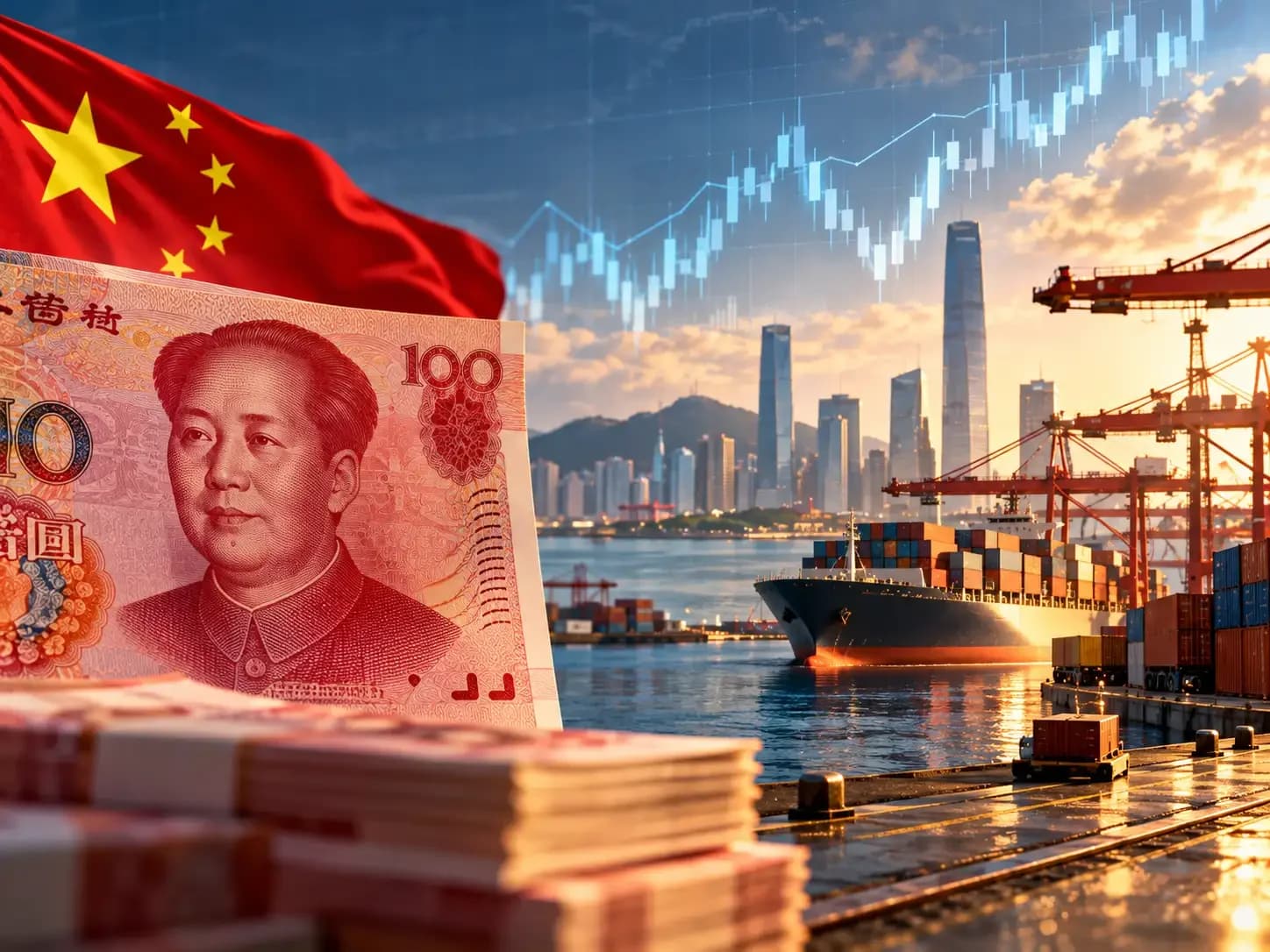
The yuan has barely budged this week despite growing US threats of sanctions over China's ties to Iran, according to reports from Bloomberg. The onshore yuan traded between 6.7188 and 6.7264 per dollar this week — the tightest range since early 2016 — while holding near its strongest level since 2023. The currency also gained 0.3% against a basket of trading-partner currencies, based on a Bloomberg replica of the CFETS RMB Index. Month-end corporate dollar selling was met by state bank buying to curb yuan strength, keeping trading light and range-bound, said traders who asked not to be named as they aren't allowed to speak publicly.
Options suggest the calm may continue, with the offshore yuan's implied volatility near its lowest since 2015, as reported by Bloomberg. The yuan's resilience suggests it is weathering Washington's threats of economic punishment against nations doing business with Iran, a supplier of oil to China. Analysts see stronger forces supporting the currency, including robust Chinese exports, the People's Bank of China's comfort with gradual appreciation, and broader dollar weakness driven by US fiscal concerns and Treasury buyback risks.
The US Treasury unveiled measures Monday aimed at cutting Iran's remaining financial lifelines, sweeping up businesses in China and Hong Kong while so far stopping short of targeting major Chinese financial institutions, according to Bloomberg reports. Christopher Wong, strategist at Oversea-Chinese Banking Corp, noted that dollar-yuan wouldn't be here if there's anxiety over prospective US sanctions against China. The immediate FX impact should remain limited so long as measures stop short of directly targeting major Chinese financial institutions. The last US sanctions targeting a Chinese bank occurred in 2017, when Bank of Dandong was severed from the US financial system over deals with North Korea, and in 2012, when Bank of Kunlun was sanctioned for purchasing Iranian oil.
Most other analysts remain optimistic about the yuan's path with the currency already up nearly 4% this year to around 6.72 per dollar, as reported by Bloomberg. Eugenia Victorino, head of Asia strategy of SEB, reaffirmed her forecast for the onshore yuan to gradually rally to 6.60 per dollar by year-end, close to Standard Chartered Bank's 6.65 target. Eddie Cheung, senior emerging markets strategist at Credit Agricole CIB, sees room for further yuan gains, citing China's massive external surplus driving FX settlement, positive seasonality into year-end and currency policy signals suggest a still supportive attitude toward gradual yuan gains.