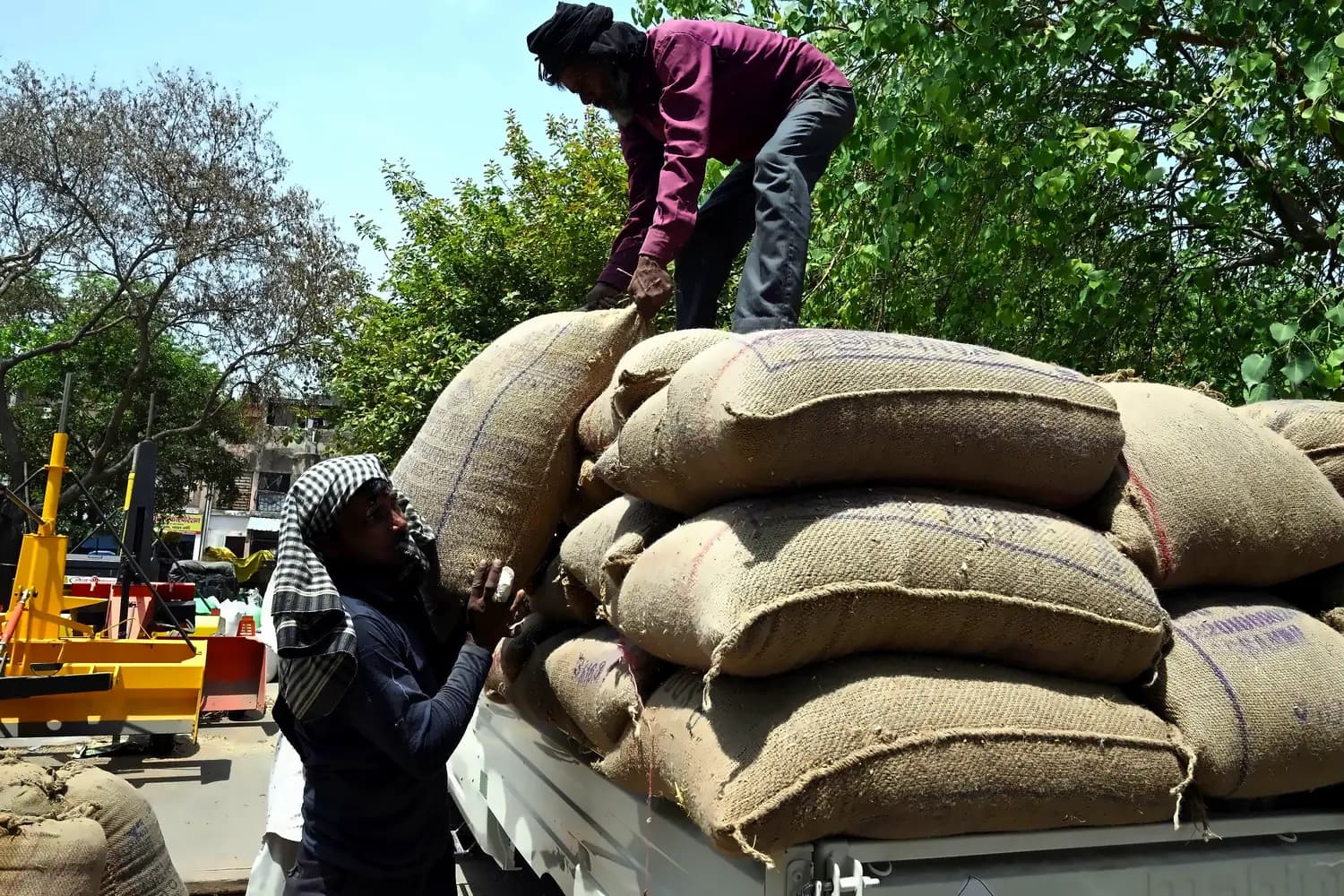
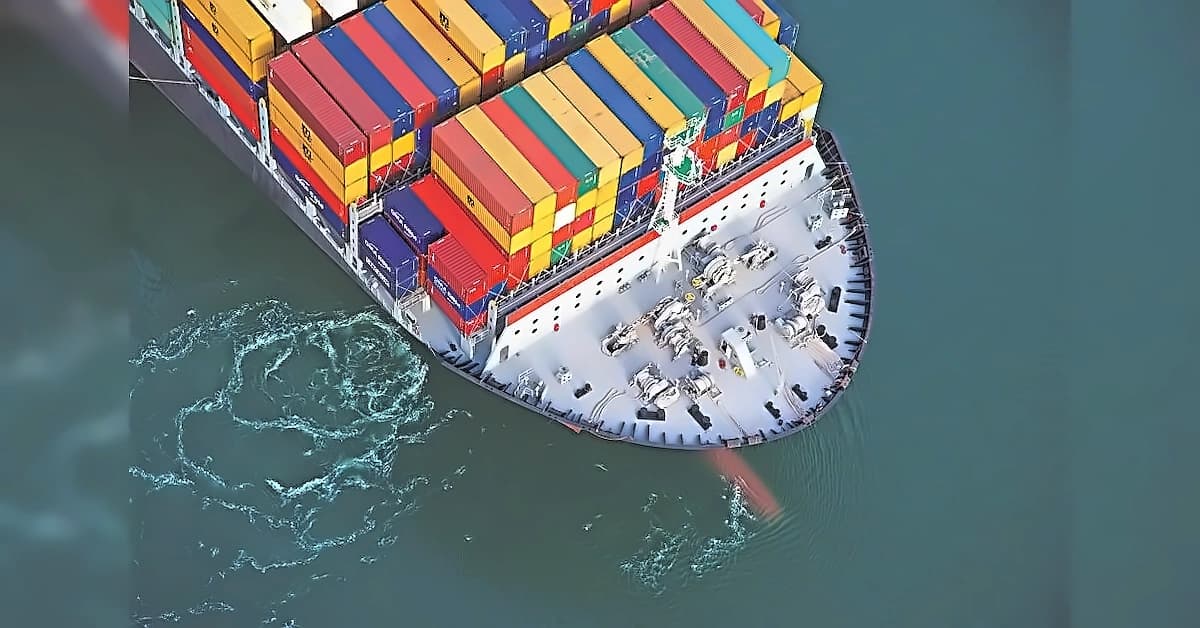
The Directorate General of Foreign Trade (DGFT) has revised its wheat export policy from 'Prohibited' to 'Free' with immediate effect, as reported by The Hindu BusinessLine and Goodreturns. This policy change represents a significant shift in India's agricultural export strategy, allowing wheat exports to resume after being previously restricted since May 13, 2022, when India amended the export policy of wheat from 'Free' to 'Prohibited' to curb rising prices and cater to domestic demand. The move comes after the Centre had permitted limited shipments of wheat in February 2026, marking a gradual easing of restrictions throughout the year. The government had initially imposed curbs on wheat exports on May 13, 2022, with restrictions extended to wheat flour exports in August 2022. The decision came amid disruptions in global wheat supplies following the Russia-Ukraine conflict, which boosted overseas demand for Indian wheat and pushed domestic prices higher. As per Goodreturns, the relaxation means exporters can now ship wheat overseas without seeking the special permissions that were required during the restriction period.
According to the latest DGFT notifications, flour and related products have been permitted for export alongside wheat. The revised export provisions now specifically include Wheat or Meslin Flour (Atta), Maida, Samolina (Rava / Sirgi), Wholemeal atta and resultant atta under the 'Free' category. This expansion of the export policy means that not only raw wheat but also processed wheat products can now be shipped abroad, providing additional flexibility for Indian exporters in the agricultural sector. The policy now also covers durum wheat variety, expanding the scope of permitted exports beyond the previous restrictions. Despite the ban, certain exceptions were permitted for specific wheat products, with the government allowing 25 lakh metric tonnes (LMT) of wheat and an additional 5 LMT of wheat products in February this year, citing improved stock availability. As per Goodreturns, the policy change could be particularly positive for flour mills and exporters, with companies now able to look at overseas markets for wheat, flour, maida and semolina without facing the same restrictions that existed during the export ban.
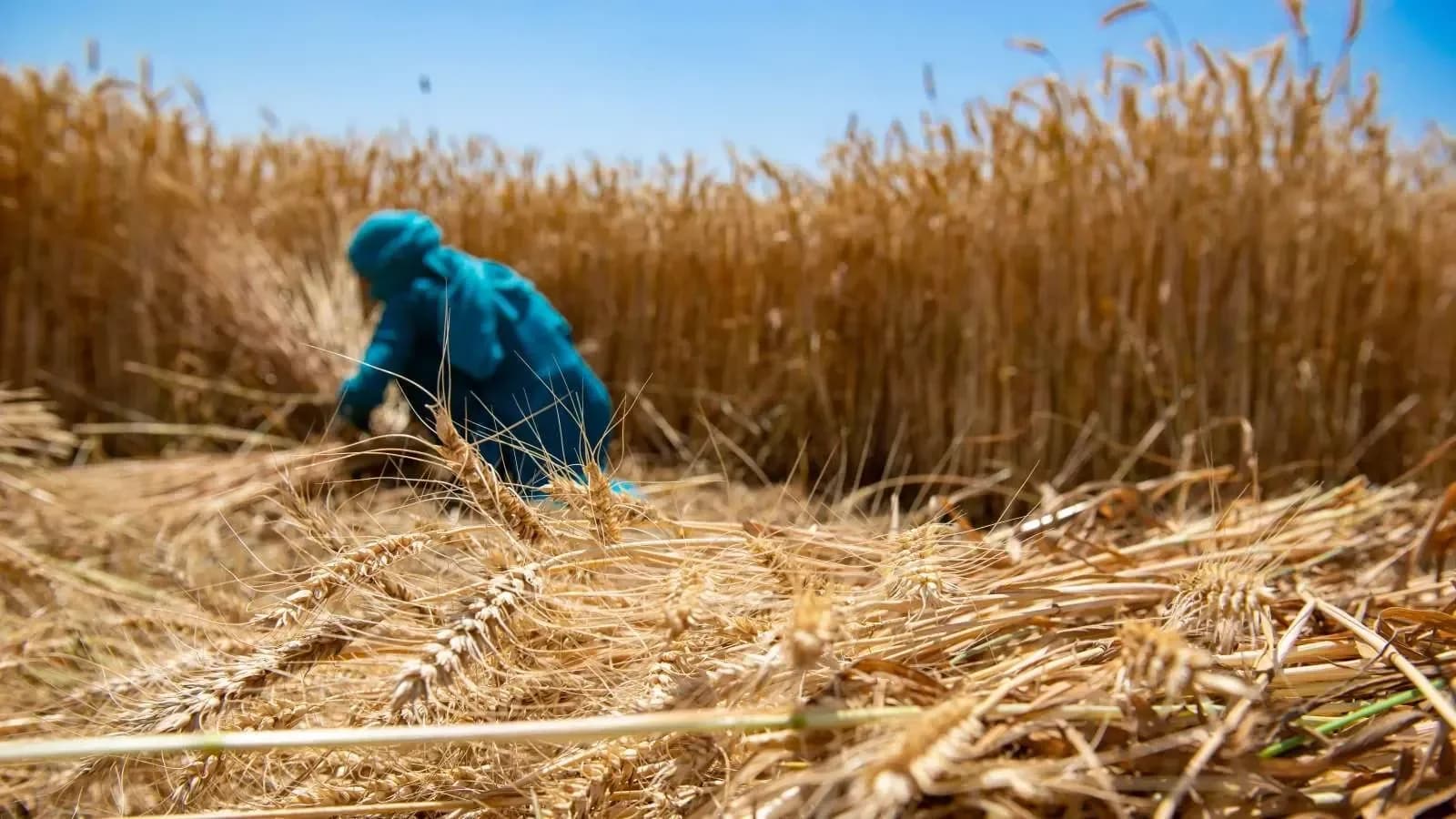
India's decision to lift the wheat export ban comes at a critical time when global grain supplies are under significant strain. As reported by IANS, India's outbound wheat shipments could ease supply pressures in import-dependent countries across Asia, Africa and the West Asia at a time when escalating attacks between Russia and Ukraine have disrupted grain flows from some of the world's top exporters. The conflict has sent Chicago wheat futures to a two-year high, highlighting the urgent need for additional supply sources. India's last wheat harvest climbed to an all-time high of 120.657 million tonnes, providing substantial capacity for increased exports. According to Goodreturns, the reopening of exports could provide farmers with a larger market for their produce, with higher demand potentially supporting prices received by farmers, particularly in regions where production and stocks are sufficient.
According to the latest data released in May 2026, India's total foodgrain production increased by 5.3 per cent to an all-time high of 376.563 million tonnes in 2025-26 compared with the corresponding figure of 357.732 million tonnes for the previous year. As reported by IANS, wheat production was estimated at 120.657 million tonnes, which is 2.712 million tonnes higher than last year's 117.945 million tonnes. This substantial increase in production capacity has strengthened India's ability to support both domestic requirements and international export commitments while maintaining adequate reserves for the country's 1.4 billion population. Meanwhile, detailed crop-wise figures indicate rice production at 154.024 million tonnes, compared to 150.184 million tonnes in 2024–25, an increase of 3.84 million tonnes. However, as noted by Goodreturns, the actual benefit for farmers will depend on whether Indian wheat remains competitive in the international market, with global wheat prices, transportation costs, currency movements and grain quality all influencing export demand.