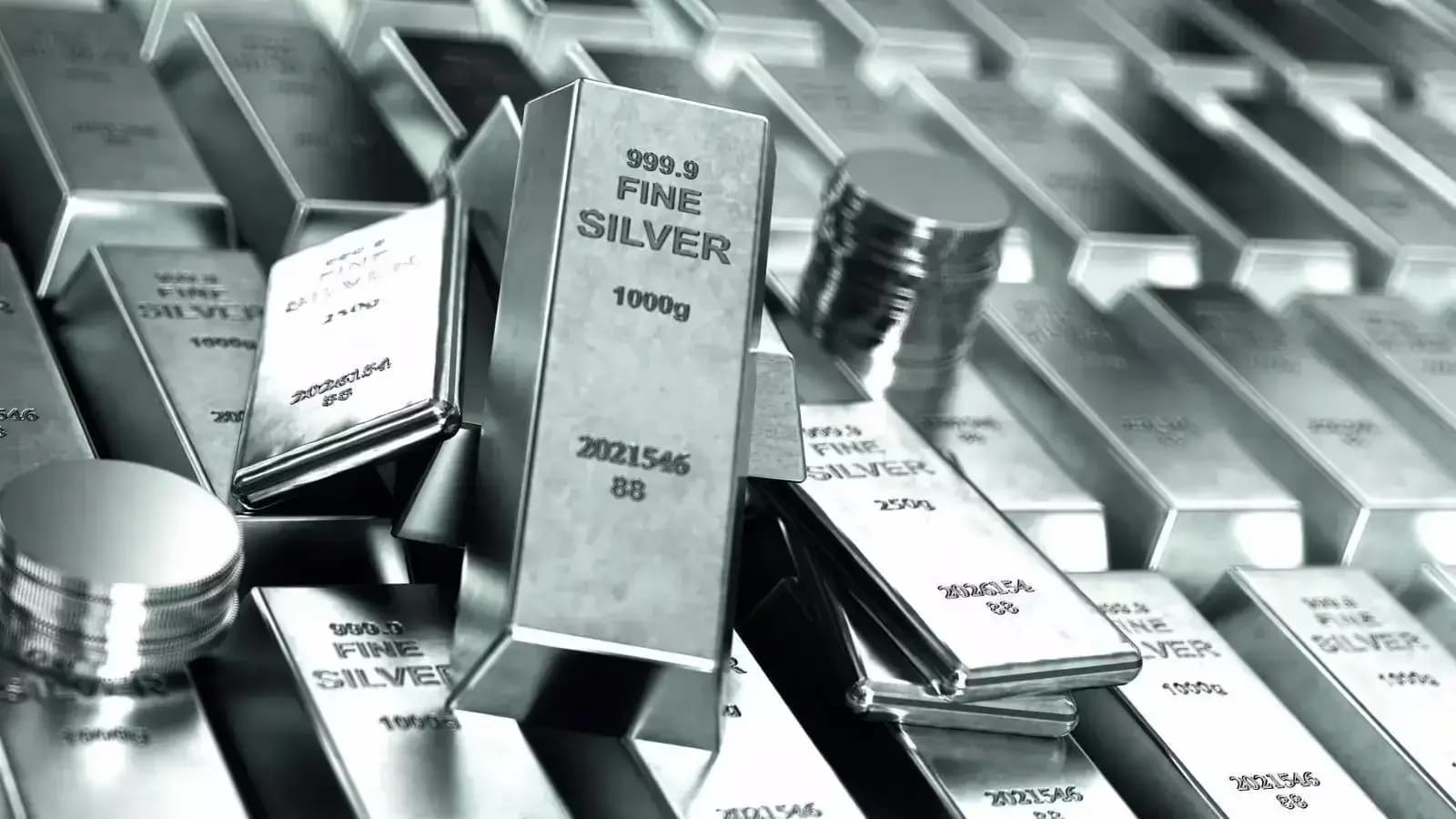
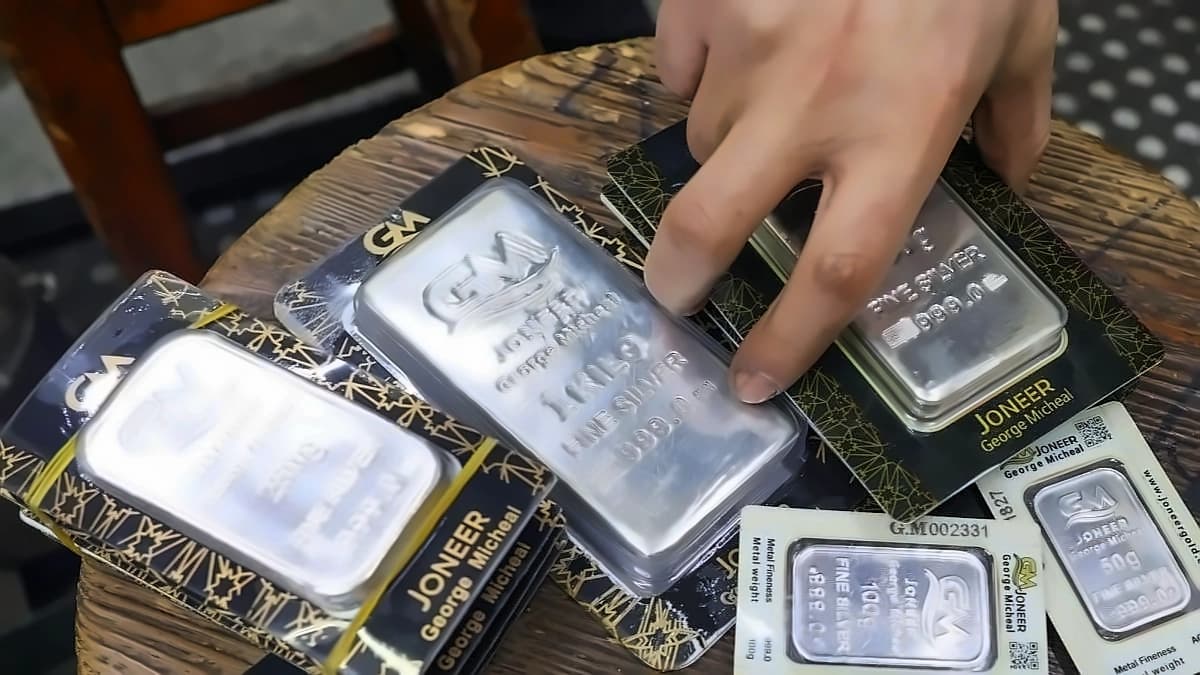
The government has imposed fresh restrictions on silver imports, requiring traders to obtain a government licence to bring the precious metal into the country. According to reports from NDTV Profit, The Hindu BusinessLine, and researchinandout, the Directorate General of Foreign Trade (DGFT) issued a notification changing the import policy for specified silver bars from 'free' to 'restricted' with immediate effect. The move covers silver bars containing 99.9% or more silver by weight, along with other specified silver bar categories, including silver plated with gold and platinum. Notification No. 17/2026-27 was issued on May 16, specifically targeting silver imports that were previously freely allowed subject to Reserve Bank of India regulations. As per The Hindu BusinessLine, the latest move is part of a broader clampdown on precious metal inflows amid concerns over surging imports, pressure on the trade deficit and weakening of the rupee. The revised policy is specifically aimed at regulating precious metal imports more strictly amid rising global trade concerns and fluctuating bullion demand in domestic markets.
The import restriction follows a significant policy shift just days after the government hiked customs duties on precious metals. As reported by NDTV Profit, on May 12, the government had increased import duty on precious metals from 6% to 15% — a steep nine percentage point jump that sent an immediate signal of intent to the market. Along with this, bullion imports also faced a 3% Integrated Goods and Services Tax (IGST). According to The Hindu BusinessLine, on May 14, the government imposed restrictions on duty-free gold imports under the Advance Authorisation (AA) scheme, including a duty-free import cap of 100 kg per authorisation, mandatory inspection for first-time applicants and stricter reporting requirements. The coordinated approach suggests a deliberate policy effort to clamp down on precious metal inflows rather than merely make them costlier, with Saturday's import restriction doubling down on the earlier duty hike to create a comprehensive framework for controlling precious metal imports.
The policy shift addresses specific concerns about large-scale arbitrage through the India-UAE Free Trade Agreement. As per the Global Trade Research Initiative (GTRI), the government's decision to raise standard tariffs to 15% on May 12 created a significant duty gap of 8 percentage points compared to the concessional 7% tariff on silver from the UAE under the India-UAE CEPA. This widening gap could have triggered substantial arbitrage-driven imports from the UAE, with officials fearing large-scale arbitrage-driven imports from the UAE. The new licensing requirement is specifically designed to give the government tighter control over the quantity and timing of silver imports while still allowing duty-free imports for export-oriented industries. Gold has not been moved to the restricted category because the duty advantage through the UAE is much smaller, around 1% under a tariff-rate quota system, reducing the incentive for large-scale arbitrage.
The dual policy action of higher duties followed by outright import curbs is likely to tighten domestic supply, potentially pushing silver prices higher in the short term. According to NDTV Profit, jewellers, industrial buyers and bullion traders are expected to feel the pinch most immediately. Under the new framework, goods under the restricted category require a government licence for imports, creating a procedural hurdle that effectively gives authorities control over the volume and pace of silver entering the country. As per The Hindu BusinessLine, the move comes as India's silver imports crossed $12 billion in fiscal year 2026, marking a huge 150% jump from the previous year, while gold imports rose more than 24% to a record $71.98 billion in 2025-26, even though shipment volumes fell 4.76% to 721.03 tonnes. The combination of higher tariffs and licensing requirements creates a dual barrier to silver imports that could significantly impact market availability and pricing dynamics.
The restrictions include specific exemptions for export-oriented industries to maintain supply chains. As per the Global Trade Research Initiative (GTRI), the restrictions will not apply to 100% Export Oriented Units (EOUs), Special Economic Zones (SEZs), or firms importing silver under export-promotion schemes such as Advance Authorisation for products such as jewellery. This means exporters can still access silver for manufacturing purposes, ensuring that legitimate trade flows continue while the government focuses on controlling non-essential imports. The exemptions are designed to balance cutting non-essential imports and reducing pressure on foreign exchange reserves at a time when high crude oil prices and global geopolitical tensions are affecting the economy.