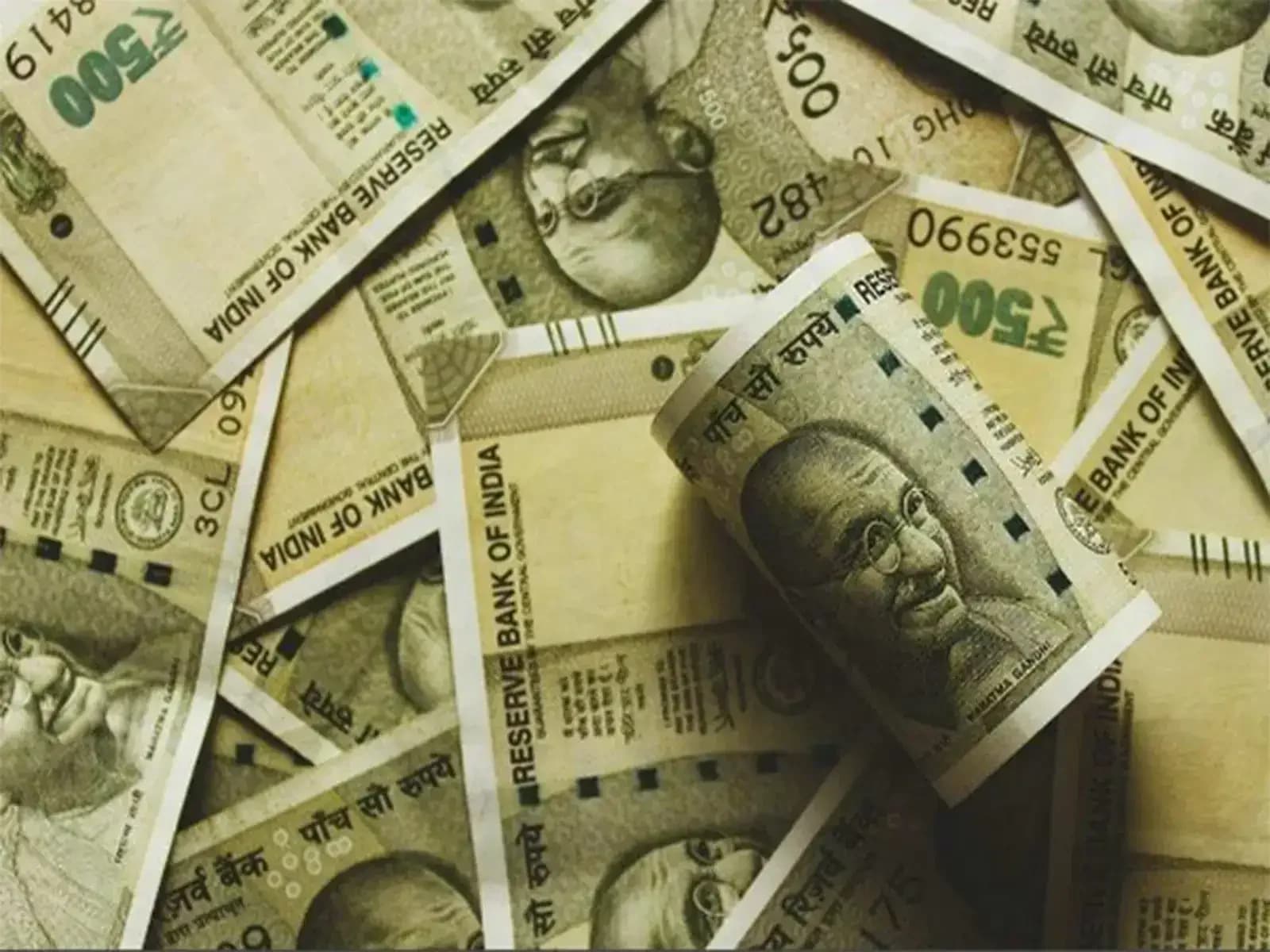
The Reserve Bank of India has directed banks to ensure that their branches in districts with international borders are equipped with note authentication/sorting machines. According to reports from The Economic Times and The Hindu BusinessLine, this directive comes after the central bank found that efforts of some lenders were not adequate for counterfeit currency detection. The RBI issued this master direction in April, prescribing comprehensive instructions for banks on detection, reporting, and monitoring of counterfeit notes. As per the latest RBI circular, banks have been instructed to review their existing systems and update their preparedness to identify, impound, and report Fake Indian Currency Notes (FICNs). The directive was issued on July 31, 2026, emphasizing the inadequacy of existing measures to detect, report, and monitor FICNs, with penalties for non-compliance now included in the framework.
Under the new guidelines, all banknotes received by the bank shall be examined for authenticity through machines, with counterfeit notes to be impounded in all cases. As reported by The Economic Times and The Hindu BusinessLine, the RBI has mandated that counterfeit notes should never be returned to the tenderer or destroyed at the bank. All detected Fake Indian Currency Notes (FICNs) must be reported according to prescribed guidelines, ensuring comprehensive documentation of counterfeit currency incidents. The RBI has advised banks to undertake specific measures to strengthen their capacity and preparedness to identify, impound and report FICNs effectively. According to the latest RBI directive, if a counterfeit note is detected, it should be impounded so that it will not reach any customer, reinforcing the strict protocols for handling fake currency. The directive specifically mandates that all counterfeit notes must be impounded and retained for forensic analysis to trace sources, preventing their circulation in the economy.
Banks must ensure that all cash handling staff receive training on security features by October 31, 2026. According to the RBI circular reported by The Economic Times and The Hindu BusinessLine, this training must be conducted through focused and target-based awareness and refresher programmes for cash handling staff on security features of genuine banknotes and detection of FICNs. The RBI has clearly stated that focusing on staff training is a key part of improving the banking system's ability to curb the circulation of fake currency. As per the latest directive, border-area branches must prioritize training by September 15, 2026, with mandatory refresher training for all cash-handling staff to be completed by November 7, 2026. The training focuses on identifying discrepancies in security features such as watermarks, security threads, latent images, microtext, and intaglio printing, which are unique to genuine RBI-issued banknotes.
Banks have been instructed to establish Forged Note Vigilance (FNV) cells to analyze FICN data of their bank to identify hotspots and monitor trends. As reported by The Economic Times and The Hindu BusinessLine, these cells should focus their outreach and capacity-building efforts accordingly, enabling banks to identify patterns and concentrate resources where counterfeit currency activity is most prevalent. The RBI has prescribed that all bank branches and identified back offices should be equipped with ultra-violet lamps and note sorting/authentication machines to facilitate detection of counterfeit notes. The FNV Cells play a pivotal role in monitoring, analyzing, and reporting FICN data, enabling the RBI to devise strategies for capacity-building and outreach in high-risk areas, particularly border districts. The directive emphasizes that banks serve as the first line of defense in detecting counterfeit notes, given their role in currency circulation through branches, ATMs, and currency chests. The move is expected to bolster the banking sector's ability to detect counterfeit notes at an early stage and reduce the circulation of fake currency, especially in sensitive regions located near international borders.
The RBI's enhanced framework addresses critical national security concerns, as counterfeit currency is often linked to transnational organised crime, terrorism financing, and money laundering. According to the latest RBI directive, the measures are designed to prevent erosion of public trust in currency and financial systems by reducing counterfeit note circulation, mitigate inflationary pressures that could arise from unchecked counterfeit money entering the economy, and protect the integrity of monetary policy by ensuring RBI's currency management functions remain effective. The directive follows a review indicating inadequate efforts by some banks in detecting and reporting FICNs, necessitating a structured and time-bound action plan. The RBI's Master Direction on Counterfeit Notes (April 1, 2026) consolidates existing guidelines and introduces stricter penalties for non-compliance, reflecting the growing urgency to address this persistent challenge. The proliferation of FICNs has been a persistent challenge, with cross-border smuggling and technological advancements in counterfeiting techniques exacerbating the issue, particularly in border states like Jammu & Kashmir, Punjab, and Rajasthan.