The Reserve Bank of India (RBI) has begun assessing cash availability across bank branches and ATM networks following reports of recurring cash shortages in several parts of the country over the past three months. According to people familiar with the matter, the central bank is reviewing cash inventory levels maintained by banks after a number of tier-II and smaller cities experienced acute shortages in ATM cash replenishment. The RBI is seeking details of cash inventories at bank branches to determine whether lenders are maintaining adequate cash to replenish ATMs in a timely manner. As per latest reports, the regulator has specifically sought information from banks regarding the cash they maintain at their branches and how effectively it is being deployed for ATM replenishment. The RBI is expected to take a strict view if banks are found to have failed in ensuring sufficient cash availability at their ATM networks.
Customers of the State Bank of India (SBI), among others, have complained of finding ATMs without cash during the period, as reported by people familiar with the matter. The issue has also affected cash management companies, which have reported business losses as ATMs remained dry due to inadequate cash supplied by banks for replenishment. The RBI is expected to take a strict view if banks are found to have failed in ensuring sufficient cash availability at their ATM networks, with the regulator's objective being to ensure that customers have uninterrupted access to cash through ATM networks.
According to the Confederation of ATM Industry (CATMi), ATM cash fulfilment levels ranged between 57% and 64% during April and May, indicating that a significant portion of cash requirements remained unmet. As reported by people familiar with the matter, the industry body said Karnataka, Andhra Pradesh and Telangana recorded the highest incidence of dry ATMs during the period. The Confederation of ATM Industry had earlier flagged the issue with lenders, writing to the Indian Banks' Association (IBA) in June urging banks to ensure adequate cash availability for ATM replenishment. While there is no indication of a currency shortage, improving cash distribution and replenishment processes will be crucial to ensuring reliable ATM services.
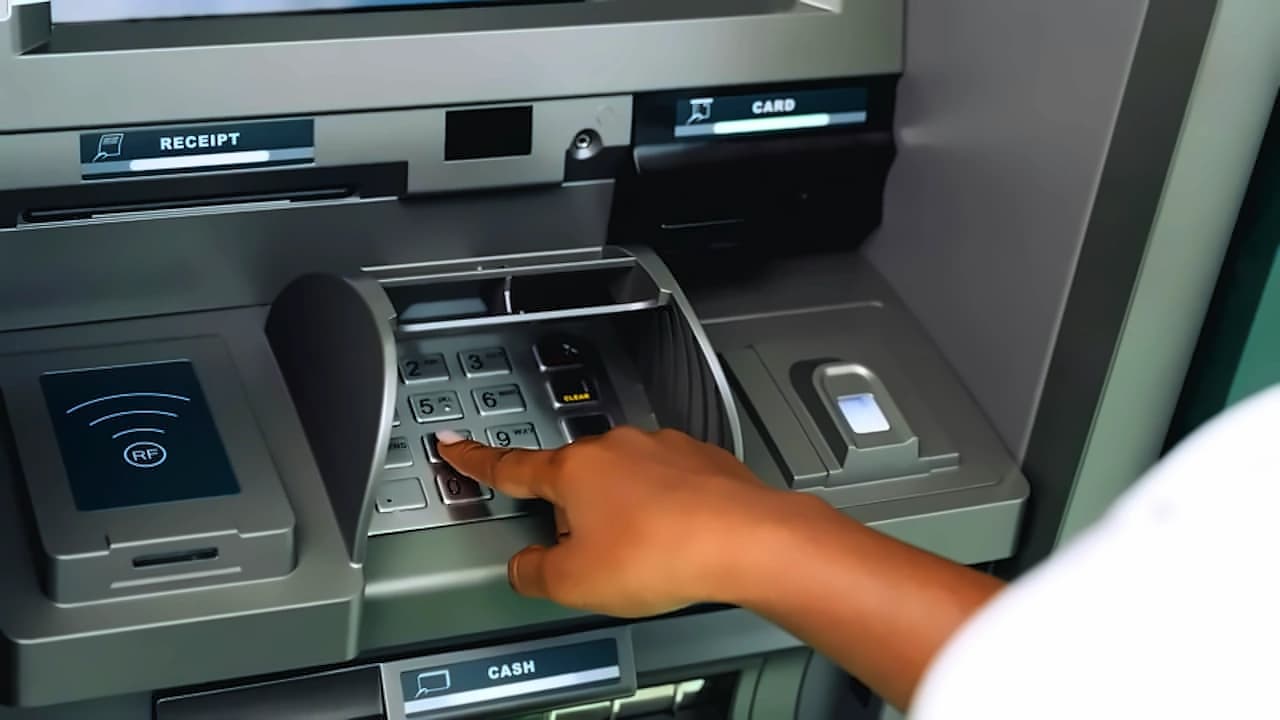
Bankers noted that cash inventory figures maintained at branches can be misleading as they also include soiled and unfit currency notes that cannot be immediately deployed for ATM replenishment. According to industry executives, the effective stock of fit currency available for ATMs may be significantly lower than headline inventory numbers. Another challenge is the economics of operating ATM networks, where maintaining ATMs and transporting cash have become increasingly expensive, while returns for banks and cash management companies have remained relatively limited. This has placed pressure on the overall cash distribution ecosystem, with the RBI's review highlighting the growing importance of efficient cash logistics in an economy where digital payments continue to expand but cash remains indispensable for millions of people.