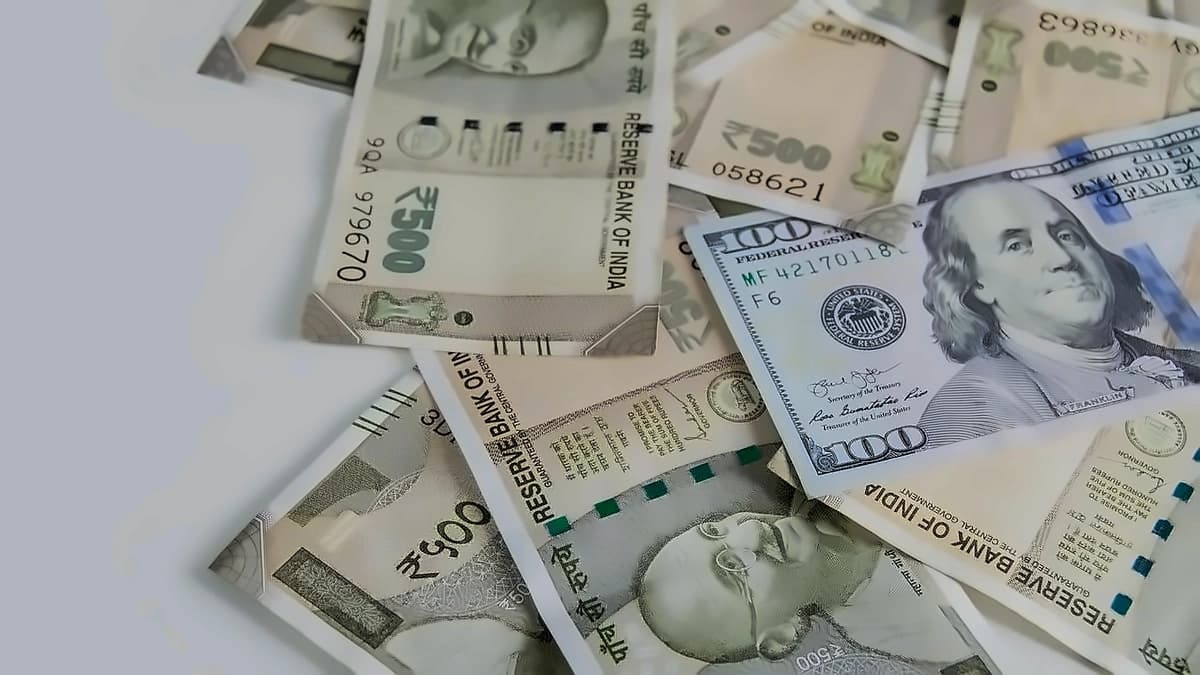
The Indian rupee strengthened for the third consecutive trading session, closing 46 paise stronger at 95.23 against the US dollar compared to the previous close of 95.69. As reported by The Times of India, the currency opened at 95.36 against the greenback and touched an intraday high of 95.12 before settling at 95.23. The rupee's recovery comes as crude oil prices dipped sharply, with Brent crude falling 5.10% to $98.26 per barrel in futures trade, down from previous levels of about $96 per barrel. The currency's strength is attributed to improving global sentiment over a possible peace agreement between the United States and Iran, with traders reacting positively after US President Donald Trump said the US and Iran had "largely negotiated" a peace pact aimed at ending the nearly three-month-long conflict.
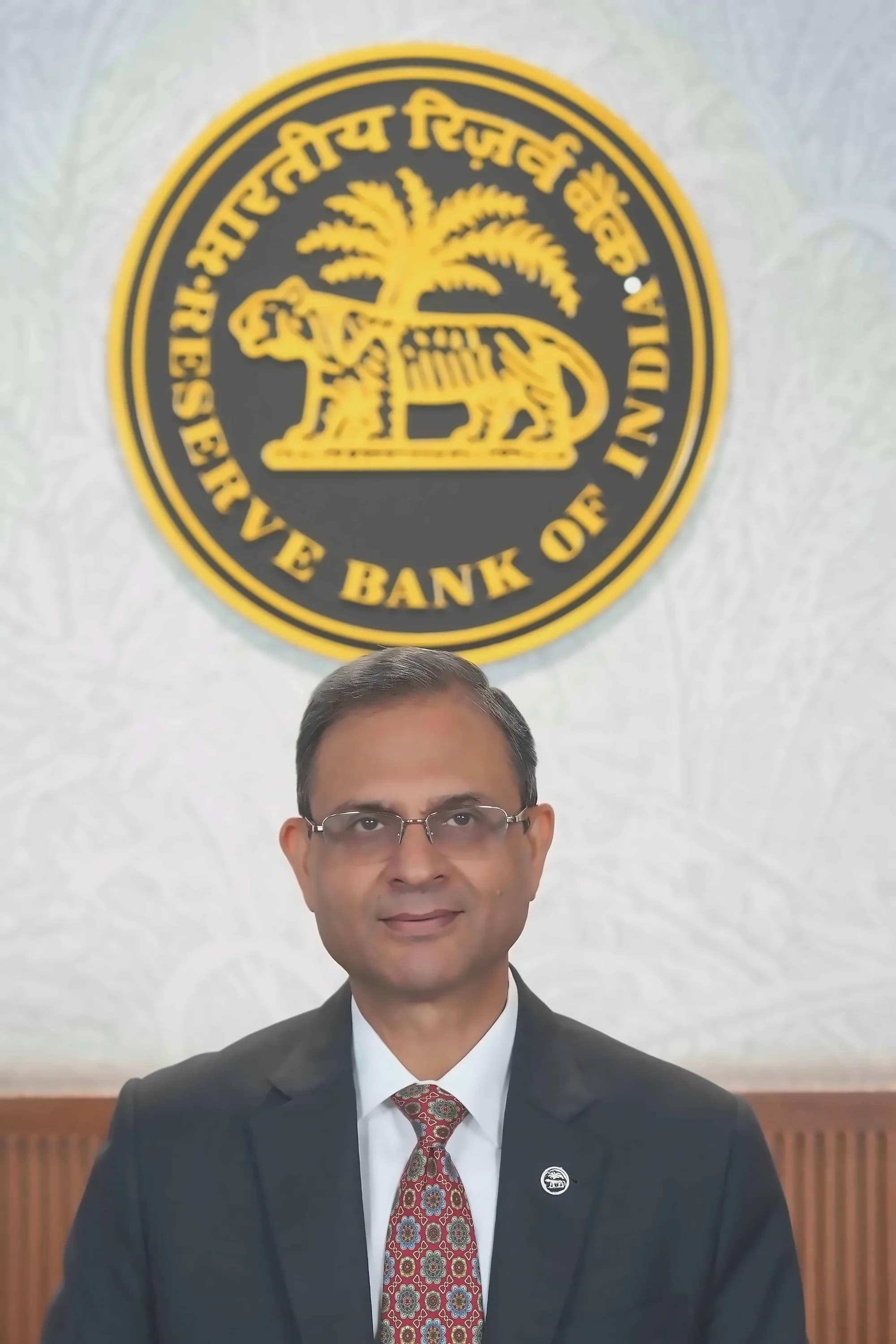
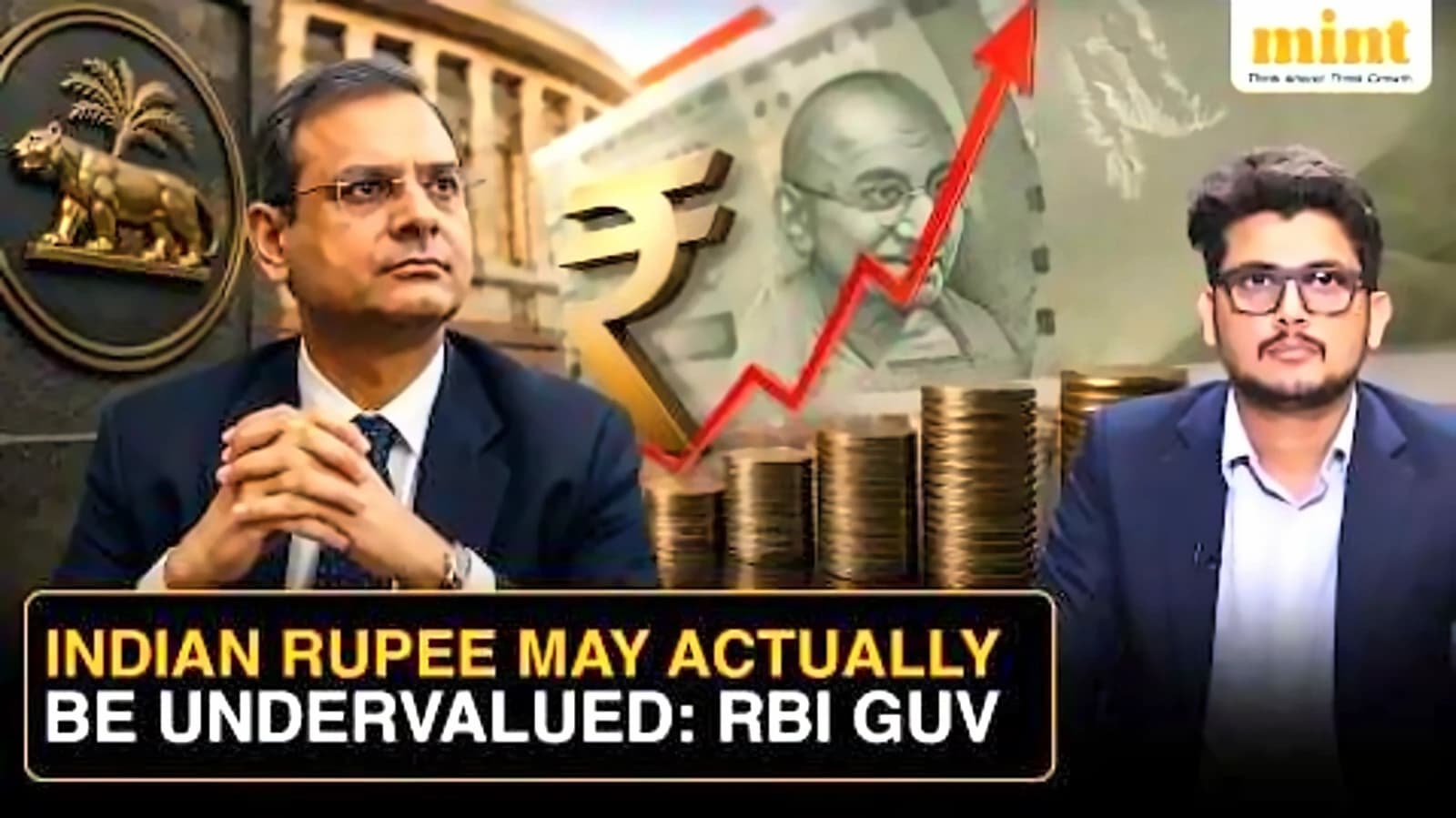
Forex traders said the rupee received significant support after RBI Governor Sanjay Malhotra assured that the Reserve Bank of India would take necessary steps to ensure orderly movement in the foreign exchange market. As quoted by PTI, Malhotra stated that the central bank will do 'whatever is required' to ensure orderly price discovery in the forex market. Malhotra also emphasised that the rupee may be undervalued rather than overvalued due to this successive depreciation witnessed of late, providing crucial policy clarity to market participants. According to The Times of India, with the recent depreciation, it would be reasonable to think that the rupee is not overvalued. If anything one could argue that the rupee has become undervalued, both in nominal as well as in REER (real effective exchange rate) terms. The governor also said there was no undue concern on the balance of payment front which called for concerted efforts by the govt, RBI and all institutions concerned.
Traders also reacted positively after US President Donald Trump said the US and Iran had "largely negotiated" a peace pact aimed at ending the nearly three-month-long conflict. Trump advised negotiators "not to rush into a deal" and that "both sides must take their time and get it right." Meanwhile, US Secretary of State Marco Rubio said India and the US were close to finalising an interim trade agreement, adding to positive market sentiment. The optimism around easing tensions in West Asia and prospects of progress in negotiations linked to the Strait of Hormuz, a key global oil shipping route, has significantly boosted market confidence and contributed to the rupee's sustained rally.
Domestic equity markets rallied strongly on Monday, with the BSE Sensex surging 1,073.61 points to settle at 76,488.96, while the NSE Nifty climbed 312.40 points to close at 24,031.70. According to exchange data, Foreign Institutional Investors (FIIs) turned net buyers during the session and purchased equities worth ₹821.75 crore, marking a significant turnaround from previous selling pressure. The dollar index, which measures the US currency against a basket of six major currencies, was down 0.26% at 99.98, providing additional support to emerging market currencies including the rupee. This marks a notable shift from the massive capital outflows that have characterized recent months.
At a conference in Hong Kong last week, several foreign portfolio investors expressed growing concerns about India's currency and investment climate. According to reports from Mint, Suresh Ganapathy, managing director and head financials research in India for Macquarie, wrote in an email to investors on 22 May that many FPIs vociferously said unless INR stabilizes they aren't touching India and that the government's or RBI's initiatives on stabilizing the rupee have not been satisfactory. The report titled 'Macquarie Asia Conference 2026' noted that the biggest near-term issue for them is INR depreciation, which needs to be arrested.
The issue extends beyond currency concerns to fundamental investment returns. According to Ajay Marwaha, senior executive and fixed income head for local and offshore at Nuvama Group, quoted by Mint, the problem we have today is that return differentials have shrunk, so the advantage that they used to get in investing in India no longer exists because returns in other countries have gone up. The rate difference between a 10-year benchmark Indian government bond yield and its US counterpart has shrunk to 253 basis points, as against the ideal of 350 bps. India's relative attractiveness has diminished as bond yields across developed markets such as Japan, European Union, US and the UK have risen sharply.