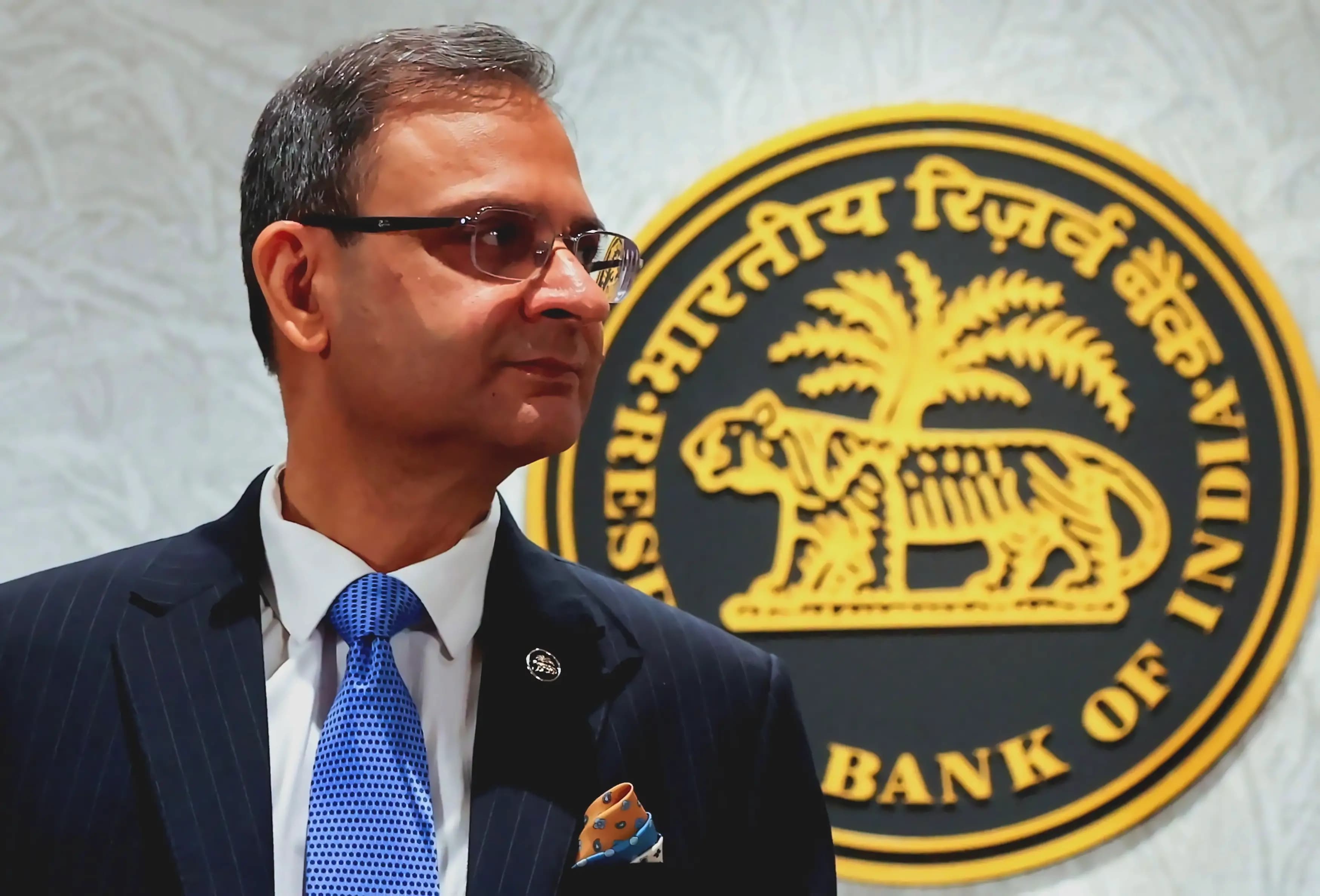
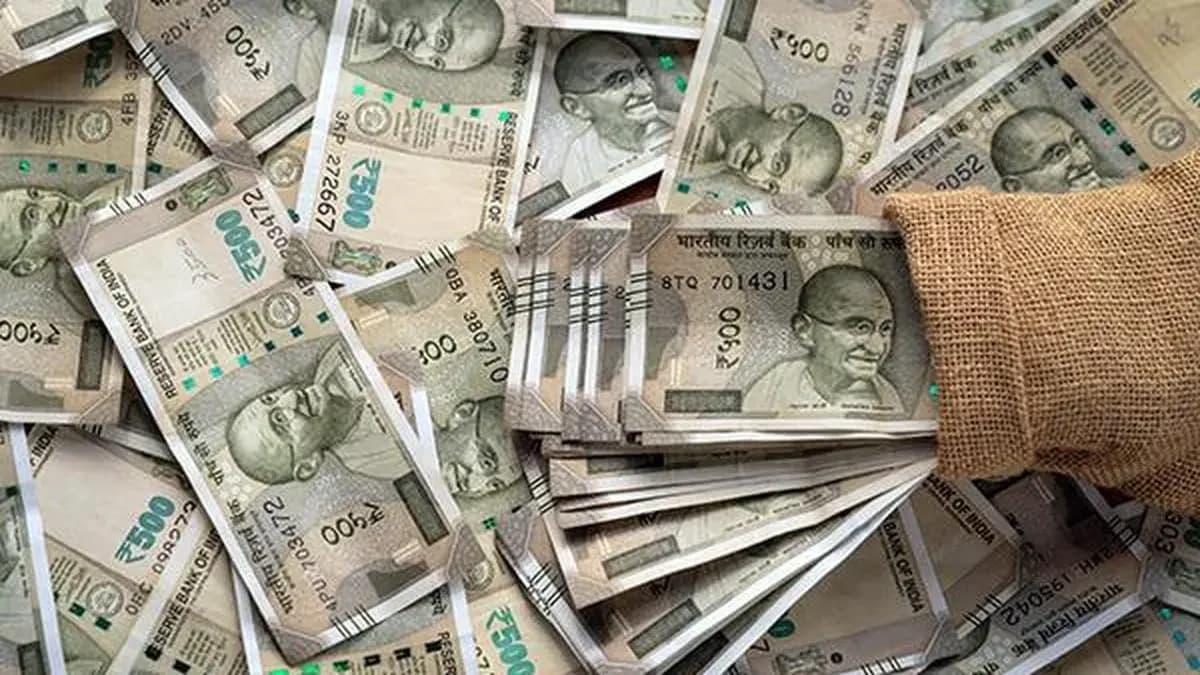
The Indian rupee strengthened a remarkable 1% to ₹95.76 against the US dollar at the start of Monday's trading session, marking a significant recovery from its previous close of ₹96.73. The rupee emerged as one of Asia's strongest-performing currencies, even as most regional currencies moved within a narrow range. Despite Monday's sharp rise, the rupee has lost 6.6% against the dollar so far this year, highlighting the severity of the currency's recent weakness. The currency's dramatic recovery comes after it neared a record low of ₹96.88 per dollar, with the rupee having weakened 7% this year to become one of the worst performers in Asia. The rebound follows the rupee's dramatic offshore movement where one-month non-deliverable forwards showed the currency strengthening as much as 2.7% to 94.17 per dollar before paring its gain to 0.7%. Mitul Kotecha, head of FX & EM macro strategy Asia at Barclays, noted that the RBI has moved from signalling that the rupee's weakness may be excessive to directly restraining dollar demand and speculative currency trades. According to a Reuters report, Citi economists said the RBI's latest measures could trigger an initial appreciation in the rupee, followed by a period of consolidation, noting that "the package raises the near-term cost of rupee depreciation trades; it does not remove the underlying balance of payments pressures."
The RBI opened a special window for Indian Oil Corporation, Hindustan Petroleum Corporation and Bharat Petroleum Corporation to meet their entire daily dollar requirements through designated banks, shifting their purchases away from the regular spot market. Under such an arrangement, used during periods of currency stress, the RBI provides oil companies dollars directly from its foreign exchange reserves. Indian Oil, Hindustan Petroleum and Bharat Petroleum will be allowed to access the facility from October 12, the RBI said. The measures include lowering the threshold for specified forex derivative transactions without underlying exposure to $5 million from $100 million and introducing a 20% cash reserve requirement for certain foreign exchange contracts. The RBI also barred users from rebooking cancelled rupee-linked foreign exchange derivative contracts and required banks to set aside 20% cash against certain FX contracts. In circulars issued on October 10, the RBI barred authorised dealers from permitting users to rebook cancelled rupee-linked foreign exchange derivative contracts. The central bank introduced a Foreign Exchange Risk Reserve (FERR), requiring authorised dealers to maintain a cash reserve equivalent to 20% of the rupee value of eligible derivative contracts exceeding $2 million. The RBI said the measures were aimed at strengthening market discipline and ensuring appropriate risk management while maintaining an orderly and transparent foreign exchange market. On Saturday, the RBI announced a series of measures to address two major sources of pressure on the currency: sustained dollar demand from oil marketing companies amid elevated crude prices, and corporate demand for hedging against further rupee depreciation.
Over the weekend, RBI announced a special window for public sector oil marketing companies to purchase US dollars directly from the central bank instead of relying on the spot market. As per The Hindu, the special window for the public sector OMCs will be effective from Monday, October 12, and will remain open until further notice. Under the facility, the Reserve Bank will undertake sale of USD to the public sector OMCs through designated bank/s, as stated in RBI's official announcement. This move means that RBI will now let the PSU oil companies purchase US dollars directly from the central bank to fulfil their dollar needs for import bills, steering the major energy importers away from the spot currency market and, in turn, reducing pressure on the domestic currency. As surging global oil prices make it expensive for import-heavy oil refiners to purchase raw crude in exchange for dollars, the latest measure will help the companies evade the volatility in the spot market while buying the greenback from the central bank.
The Reserve Bank of India's latest Monetary Policy Report (MPR) cautioned that the rupee may face headwinds from a robust US dollar, elevated import costs, volatile capital inflows and rise in trade policy uncertainties. According to The Hindu BusinessLine, the report noted that any escalation in geopolitical tensions or unexpectedly aggressive monetary tightening by major central banks may put pressure on the rupee. Conversely, the rupee could find support from the resilience of India's services exports, the stability in bilateral trade frameworks and sustained foreign capital inflows. In a scenario where the rupee depreciates by 5 per cent over the baseline, inflation could be higher by around 40 basis points while GDP growth may benefit by around 25 bps through the exports channel in the short term, under normal macroeconomic conditions. Amit Pabari from CR Forex Advisors observed that the rupee has weakened nearly 7.5 per cent in calendar year 2026 and around 3.8 per cent since the beginning of the current financial year, moving from around 90 to nearly 96.75 against the US dollar. The rupee has been among the worst-performing Asian currencies, having lost about 7% so far this year, highlighting the severity of the current pressure.
The government has imposed a 10% basic customs duty and a 5% Agriculture Infrastructure and Development Cess (AIDC) on gold and silver imports, taking the effective import tax to 15% from 6%. As per The Economic Times, the government has tightened rules for duty-free gold imports for jewellery exports by capping imports at 100 kilograms per licence until further notice. India placed imports of silver bars with 99.9% purity and all other semi-manufactured forms of silver under the restricted category with immediate effect. The government is also promoting non-resident investments in equities and foreign currency borrowings. A wider pool of government bonds will have no foreign investment limits, the Reserve Bank of India said. The international financial institution, the Bank for International Settlements - an active investor in government securities - has also been exempt from these taxes. The government has also appealed to people to work from home to conserve fuel and help the government reduce costly oil imports. These comprehensive measures, combined with RBI's currency control measures, represent India's most aggressive response to the rupee's decline since the crisis era.
The USD/INR pair is expected to trade in a range of 95.30-96.20 during Monday's session, with support at 94.50 and resistance at 96.70, according to market estimates. A treasury head at a private bank said "The restrictions could support the rupee in the near term, but uncertainty over their implementation could make banks more cautious about quoting prices. This could affect liquidity and widen pricing gaps in the forex market." The impact on forward premiums could be mixed, with higher hedging costs potentially reducing importers' demand for forward dollars and pulling premiums lower, while higher balance-sheet costs for banks and reduced market liquidity could push pricing in the opposite direction. Amit Pabari, Managing Director of CR Forex Advisors, said the rupee is likely to strengthen in the near term, with the ₹96.70– ₹97.00 zone acting as a strong resistance, expecting the domestic currency to move towards ₹95.80– ₹95.50. Anindya Banerjee, Head of Currency and Commodity Research at Kotak Neo, said the USD/INR pair is likely to trade within the ₹94– ₹97 range, with the RBI likely to remain particularly vigilant if the pair moves towards ₹96.50, with its latest measures likely to help contain pressure in the ₹96.00– ₹96.50 zone. The rupee's ability to sustain its gains will depend on crude oil prices, movements in the global dollar and foreign investment flows. While the RBI's measures could ease immediate pressure on the currency, persistent external imbalances and underlying dollar demand remain challenges. Despite these interventions, India's foreign exchange reserves have fallen to $734 billion, depleting by $46 billion since September 11, highlighting the urgency of the situation. Foreign institutional investors continue selling Indian equities, leading to a dollar outflow, with FIIs selling ₹3,568 crore worth of Indian stocks on October 9.