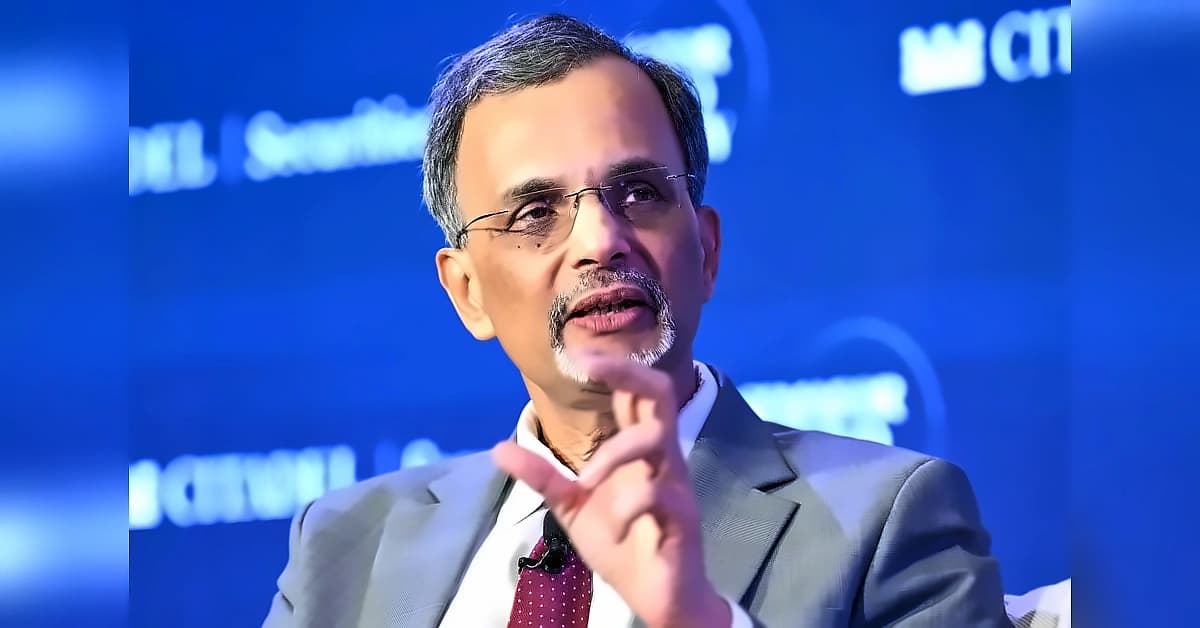
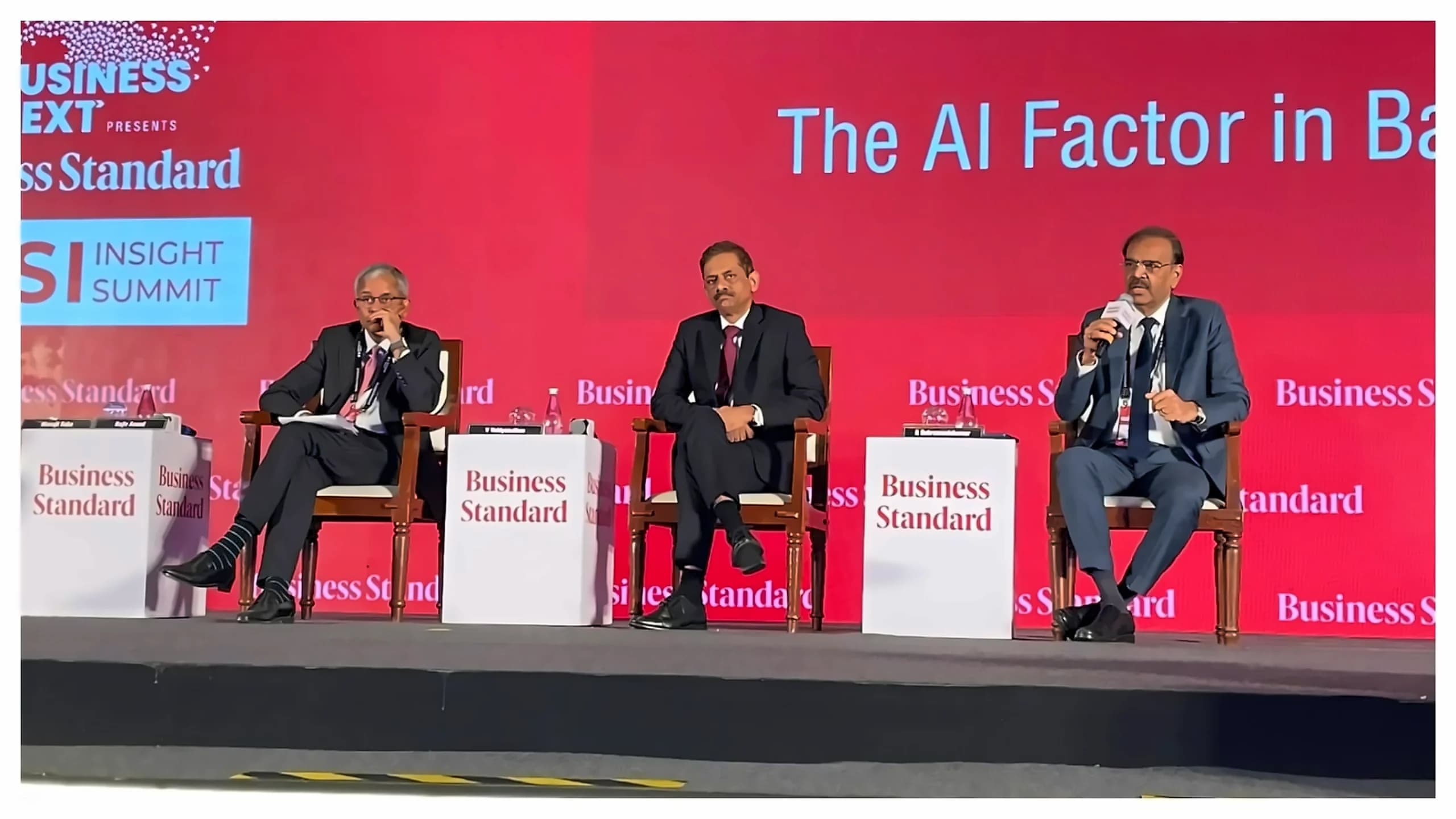
J. Swaminathan, Deputy Governor of Reserve Bank of India, delivered the 20th CUB V Narayanan Memorial Lecture at SASTRA Campus in Thanjavur, outlining a comprehensive framework for artificial intelligence adoption in the financial sector. According to reports from The Hindu BusinessLine, The Economic Times, and The Times of India, the Deputy Governor emphasized that the emerging role of AI in the financial ecosystem should reduce uncertainties and expand opportunities for all stakeholders to advance inclusion, maximise efficiency and strengthen trust. The lecture, titled 'AI in Finance - What can Change and what should not', focused on the transformative potential of AI while maintaining regulatory oversight. As reported by The Times of India, Swaminathan J said AI deployment must ensure human accountability, explainable decisions and inclusion, as Reserve Bank of India outlined a framework to balance innovation with accountability in the financial sector.
The RBI Deputy Governor presented a five-point charter guidelines for full-scale AI adoption in the Financial & Banking industry during his lecture. As reported by The Hindu BusinessLine, these guidelines include human responsibility, fairness & explainability, strong data governance, institutional adoption maturity and inclusivity by design. The Deputy Governor explained that these five points ensure fair outcomes, transparency, humane approach, democratisation and risk prevention in AI-assisted financial decision making. According to The Times of India, Swaminathan J said AI may support decision making, but accountability must remain with humans and institutions, emphasizing that 'Human responsibility must remain central' in AI deployment. The framework addresses critical concerns about customer and data sensitivities, non-isolation of small borrowers, and malicious automation while maintaining institutional responsibility.
Speaking on the transformative potential of AI in financial services, Swaminathan highlighted five major concerns that must be addressed for responsible AI adoption. According to The Economic Times, these include 'bias and unfair outcomes', 'opacity', 'data privacy and misuse', 'model risk', and 'cyber risk'. As reported by The Times of India, AI is rapidly reshaping finance across customer service, credit assessment, risk monitoring and supervision. The Deputy Governor warned that AI adoption without adequate safeguards can amplify existing weaknesses and create entirely new forms of harm. He emphasized that 'The enduring task, therefore, is to make finance more intelligent, without making it less human; to make it more digital, without making it less accountable; and to make it more inclusive, without making it less prudent'. The Deputy Governor cautioned that 'every powerful technology is a double-edged instrument' and stressed the need for a balanced approach that neither embraces technological hype nor retreats into defensive positions.

Speaking on the transformative potential of AI in financial services, Swaminathan highlighted the need for human responsibility and accountability for AI assisted decisions. According to the reports, he stated that 'Financial decision making cannot be a back box theory and it requires tremendous institutional responsibility'. As reported by The Times of India, the central question is not whether finance will become more intelligent, but whether it will retain trust and equity as it evolves. The Deputy Governor's comments underscore the importance of maintaining human oversight and institutional accountability in AI-driven financial processes, ensuring that automated systems remain transparent and accountable to regulatory standards. He emphasized that 'Financial decision making cannot be a back box theory and it requires tremendous institutional responsibility'.
The lecture was attended by Chairman and Board of Directors of City Union Bank, other banking professionals and executives from various banks, faculty and staff of SASTRA. As reported by The Hindu BusinessLine, S Vaidhyasubramaniam, Vice-Chancellor, SASTRA University welcomed the gathering and N Kamakodi, MD & CEO of City Union Bank proposed the vote of thanks. The event brought together key stakeholders from the banking sector to discuss the practical implementation of AI in financial services, with particular focus on maintaining regulatory compliance and customer protection. The lecture was delivered on Saturday at SASTRA University, Thanjavur, as reported by The Economic Times.