RBI Deputy Governor Poonam Gupta highlighted significant improvements in India's rural economy and agriculture sector during the post-monetary policy press conference on Wednesday. According to reports from Business Standard, Gupta emphasized that the resilience of the rural economy has strengthened over the years, reducing the impact of rainfall deficiencies and weather-related uncertainties on agricultural output. She noted that agriculture and allied sectors had increasingly complemented each other, with allied activities performing well in years when agricultural output was weaker. As reported by Crisil's Dipti Deshpande, the monsoon in July is already at 1% surplus, while the IMD had feared a 6% deficit, demonstrating improved weather patterns.
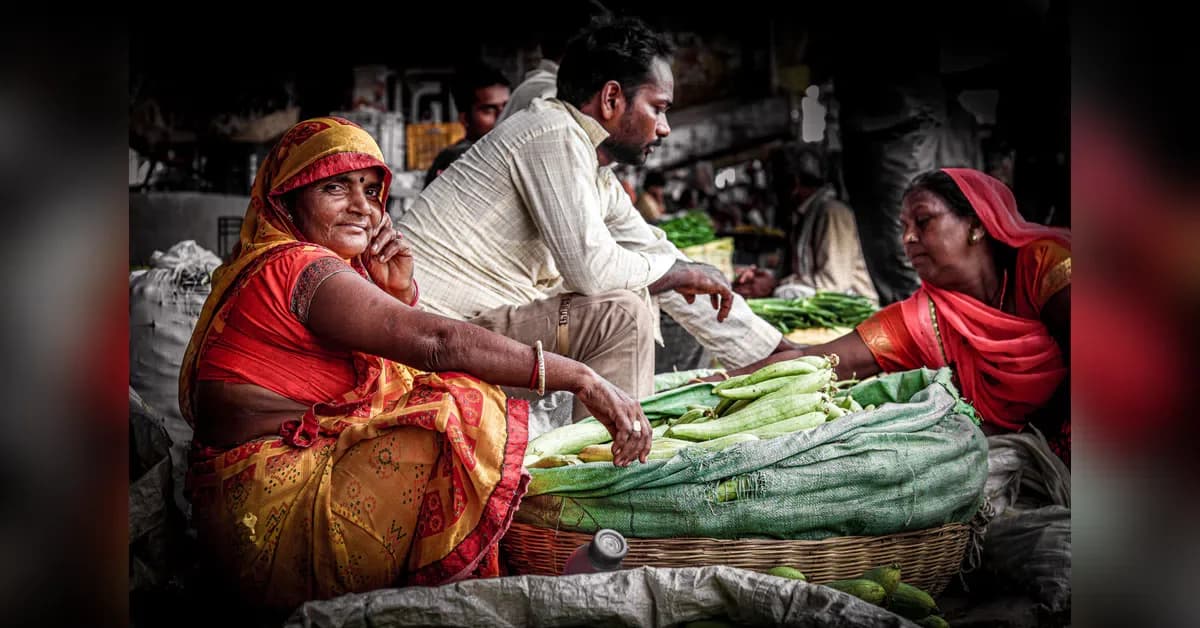
As reported by Business Standard, Gupta highlighted that the share of irrigated area has increased significantly and represents a secular trend, meaning rainfall deficiencies and vagaries matter less than they did in the past. She attributed this resilience to greater access to agricultural credit, higher farm mechanisation, and improvements in crop and seed varieties. The Deputy Governor stated that all these measures indicate a well-performing rural economy and a very resilient agriculture sector. According to Crisil's analysis, the relationship between deficient monsoon and kharif (monsoon crop) output remains fairly direct and linear, but the relationship between traditional monsoon and higher food inflation has weakened in recent years due to various government measures.
RBI Governor Sanjay Malhotra addressed the Monetary Policy Committee's decision to keep interest rates on hold at 5.25% while highlighting inflation concerns. As reported by Business Standard, Malhotra noted that headline CPI inflation edged up above the target at 4.38% in June 2026, above the RBI's medium-term headline inflation rate of 4% (with a tolerance band of +/- 2%). He pointed out that higher inflation is mostly on account of fuel and food with little signs of generalisation of price pressures so far. Economists expect the RBI to start hiking rates from early 2027 to ensure inflation does not go out of hand. HDFC Bank's Sakshi Gupta said the RBI's commentary suggests the bar for tightening is high in the near-term and any rate action needs to be preceded by broad-based, second round inflationary pressures rather than temporary spikes in oil or food prices.

According to Crisil's analysis, improvement in kharif sowing is being seen across crops such as cotton, pulses, bajra, maize and toor, but some stress is being witnessed in jawar and oilseed (soyabean and oilseed). The latest update shows that the pressure of a failing monsoon on food inflation is reducing, with the relationship between deficient monsoon and kharif output being fairly direct and linear. Gupta emphasized that the agriculture sector remains resilient even while monsoons have been erratic, with pressure on food prices expected to be limited. She noted that the RBI's commentary suggests the bar for tightening is high in the near-term and any rate action needs to be preceded by broad-based, second round inflationary pressures rather than temporary spikes in oil or food prices.