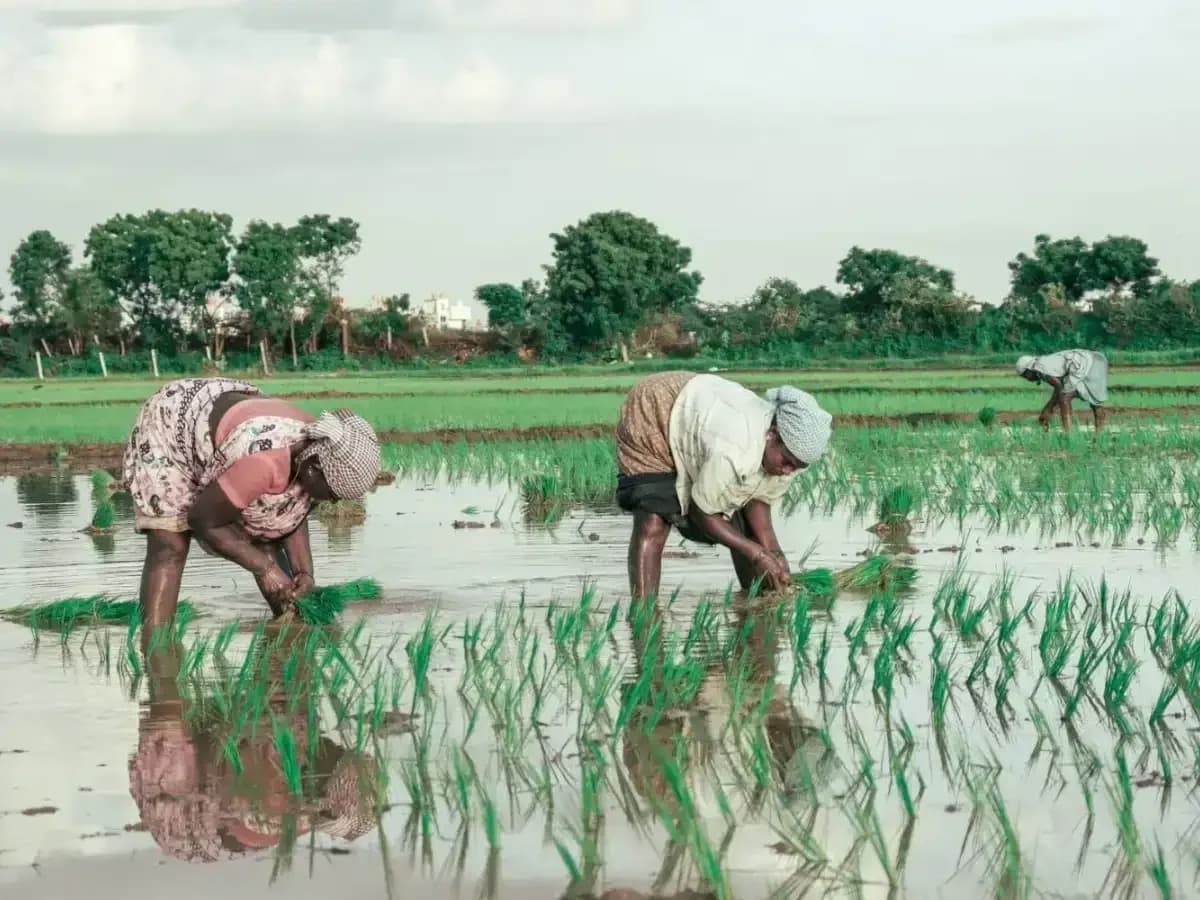
According to the latest Nabard Rural Economic Conditions and Sentiments Survey (Round 12, July 2026), rural income growth has slowed to a two-year low, with only 28% of rural households reporting higher incomes compared to the previous year. This represents a significant decline from 29.6% in the previous survey and 42.2% in November 2025, marking the lowest reading since the survey began in September 2024. The bi-monthly survey, based on a multi-stage survey of 20,000 rural households across 29 states and Union Territories, shows that 52.6% of households saw their incomes remain unchanged over the year, the highest ever share recorded, while 19.8% reported a decline. The moderation comes against the backdrop of higher global commodity prices, concerns over El Niño conditions, below-normal rainfall in parts of the country and slower kharif sowing, though rural conditions remained broadly stable due to the progress of the southwest monsoon and continued public spending.
The latest government data reveals that rural women's unemployment rate rose to 5% in June from 4.4% a year ago, marking the highest rate seen in the 13 months tracked by the revamped Periodic Labour Force Survey (PLFS). Despite this increase, rural female labour force participation rate (LFPR) rose 1.4 percentage points to 36.6% from 35.2% in June 2025. The strain was sharpest in the countryside, where rural female unemployment climbed to 5% in June from 4.4% during the same month a year ago. According to Emkay Global Financial Services, the rise in the women's unemployment rate could be attributed to arithmetic, as when more women enter the labour force to seek work, the rate can increase if job creation does not keep pace. The weak monsoon and delayed kharif sowing may have led to lower temporary agricultural work just as more women sought jobs, compounded by the summer heat stalling construction activities.
Despite the moderation in overall borrowing, dependence on informal credit sources has increased significantly, with the share of households relying exclusively on informal loans rising to 23.6%, the highest recorded across all survey rounds. By comparison, 51% of households depend only on formal credit sources, with this proportion moderating from a peak of 58.3% in November 2025. Among those relying solely on informal finance, nearly two-thirds borrow from friends and relatives, with 16.2% borrowing only from friends and relatives compared to 6% relying exclusively on moneylenders. The survey also recorded weaker financial indicators, with the proportion of households reporting higher financial savings declining to 17.8%, the lowest since the survey's launch, while households reporting higher borrowings fell to 28.7%. This trend reflects the broader challenge of informal economies accounting for 30-90% of the labour force across developing countries, which remains largely invisible to governments and undermines tax revenue, productivity, and long-term growth.
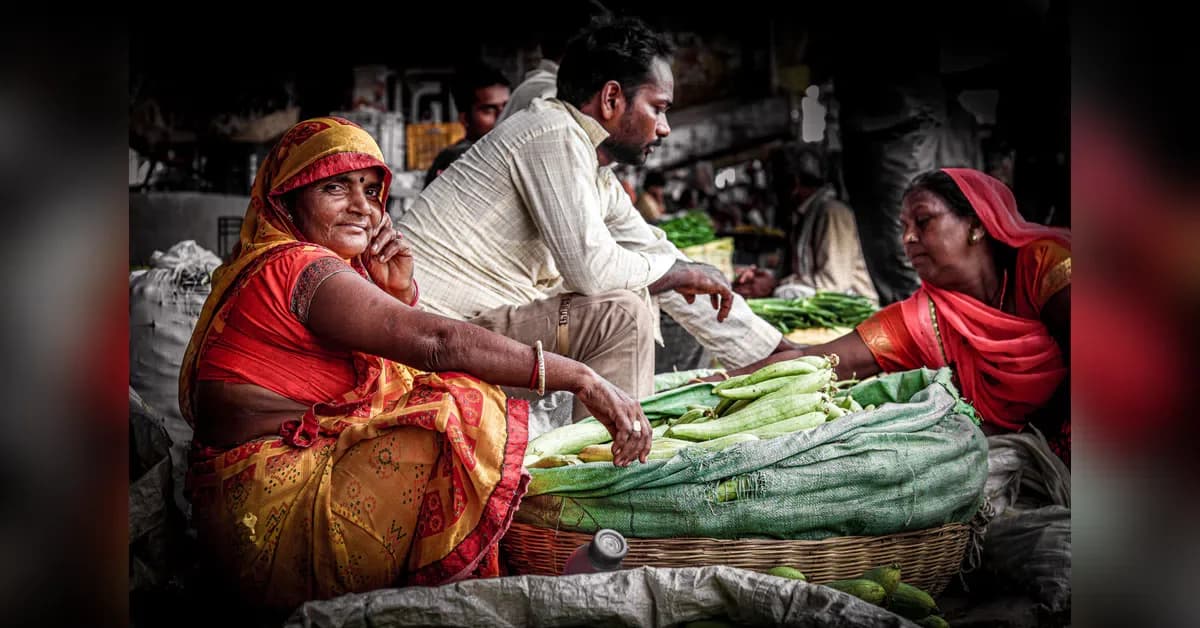
The survey findings coincide with India's monsoon rainfall remaining well below normal, with the country receiving 23% below normal rainfall from June 1 to July 15, according to India Meteorological Department (IMD) data. Kharif crop sowing is down 6% from a year ago, largely dependent on south-west monsoon rains. According to Ministry of Agriculture and Farmers Welfare data, the area planted was as of July 10 about 16% lower than a year earlier, before a recovery in rains narrowed the gap to about 6.04% by July 17. Economists highlight that nearly 46% of the country's workforce is dependent on agriculture, while agriculture and its allied sectors account for just about 16% of India's gross domestic product. Madan Sabnavis from Bank of Baroda noted that agriculture alone cannot absorb the workforce, while labour employed in other sectors is not witnessing meaningful income increases. The weakening income trends are accompanied by uncertainty over monsoon conditions and broader economic developments, with economists treating the survey as an early warning rather than conclusive evidence of a broad-based rural slowdown.
The findings come as rural inflation has remained above urban inflation, with retail inflation in rural areas at 5% in June compared to 4% in urban India, according to government data. As reported by the Finance Ministry, the difference is partly because food carries a higher weight in the rural Consumer Price Index (CPI) basket than in the urban index, resulting in greater impact from food price increases. The ministry added that price movements in rural and urban markets also differ, contributing to the gap in inflation rates between the two areas. The weakening momentum in the rural sector, which is largely agriculture-dependent, coincides with India's retail inflation rising to 4.38% in June, a 17-month high, amid rising inflationary pressures. According to Madhavankutty G from Canara Bank, El Niño is likely to have deepened rural distress, with agricultural GDP growth likely to have slowed in June, while non-agricultural jobs in rural areas would have slowed due to subdued profits in the fast-moving consumer goods segment.