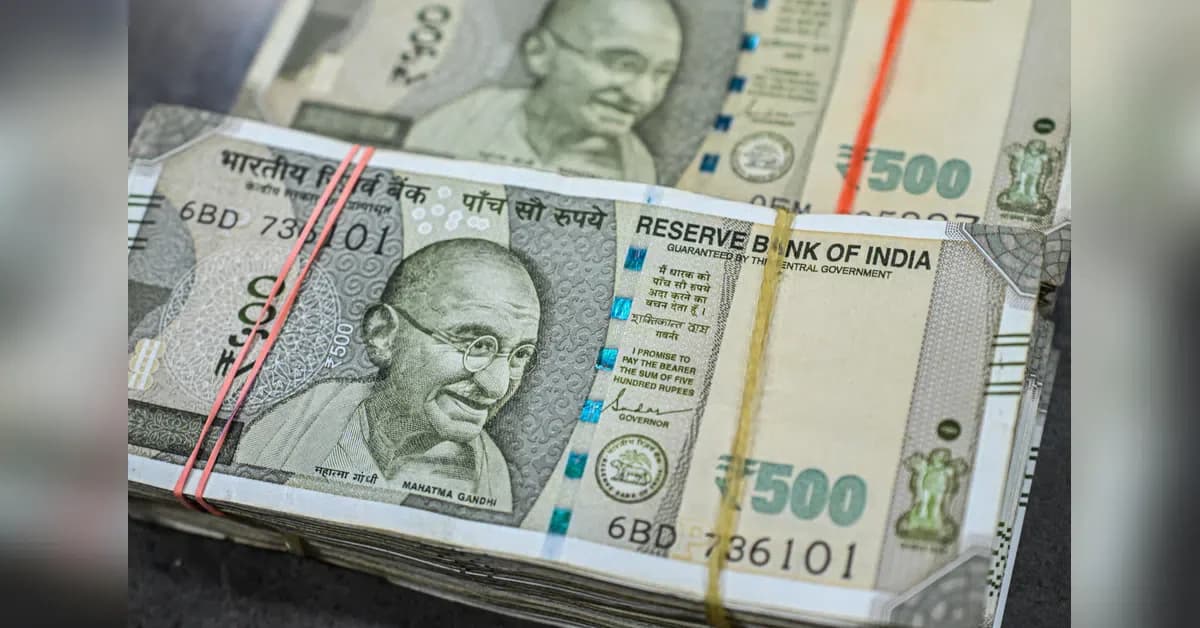
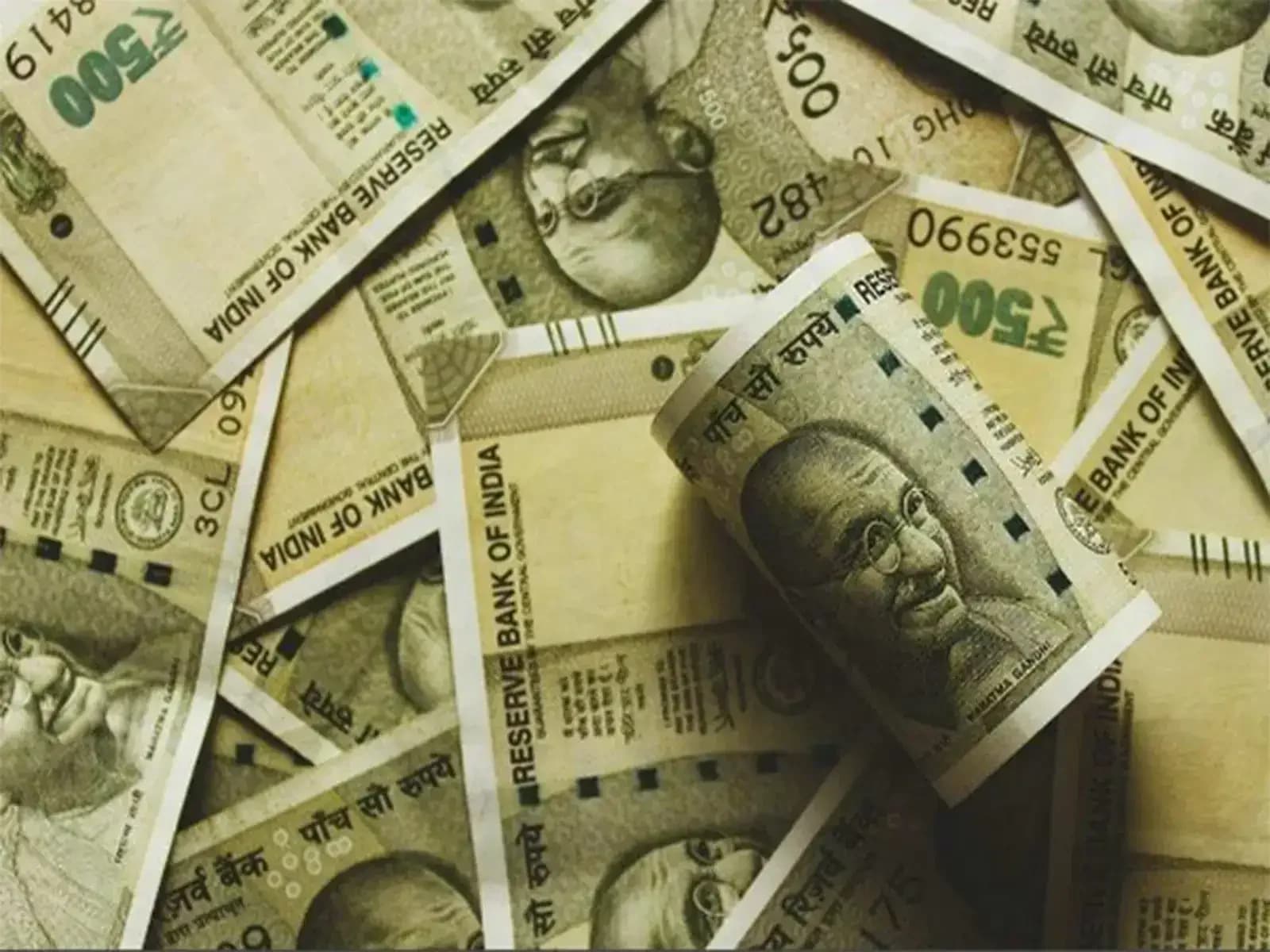
The Reserve Bank of India has decided to revive plans for polymer banknotes as counterfeit ₹500 notes detected in the banking system increased 20.5% during FY26, according to the latest Annual Report. Fake ₹500 notes rose to 1.42 lakh pieces from 1.18 lakh pieces in the previous year, while ₹500 notes in circulation grew 11.2% to more than 7 lakh pieces, making them the most widely used banknote in the country. The ₹500 denomination now accounts for over 41% of all banknotes by volume and more than 86% of the total value of currency in circulation. This surge in counterfeit activity has intensified the RBI's focus on developing more secure and durable currency alternatives.
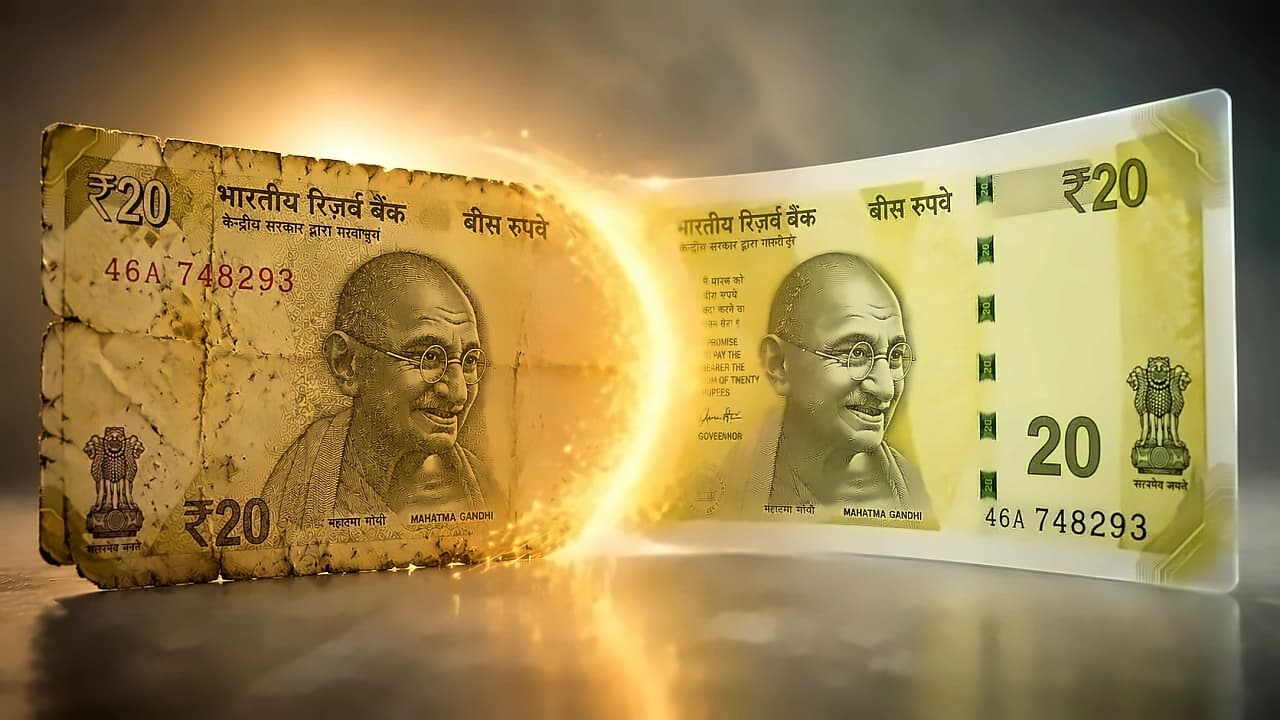
The Reserve Bank of India has decided to revive plans for polymer banknotes, as reported by Business Standard. According to the latest Annual Report, the central bank is considering a pilot involving ₹10 and ₹20 notes to address growing operational challenges. Polymer notes are made of a thin plastic substrate that is more resistant to moisture, dirt and tearing compared to traditional paper notes. With countries like the UK, Australia and Canada already using polymer notes, India may soon join the global shift toward more durable and cost-effective currency. The move toward polymer notes is specifically aimed at reducing printing costs and increasing the lifespan of notes, which are often damaged or soiled in circulation.
The RBI has implemented comprehensive security measures to combat counterfeit notes, with overall counterfeit note detections increasing 5.7% during FY26. Key security features include the colour-changing security thread that changes from green to blue when tilted, the Mahatma Gandhi watermark and electrotype '500' mark, and the see-through register with a partial '500' that aligns perfectly when viewed against light. Beyond these basic checks, the RBI's 'Know Your Banknotes' guide includes multiple additional security features such as micro letters, windowed security thread, intaglio printing, and various emblems and logos. The central bank advises people to examine these key security features carefully whenever they receive cash, particularly high-value notes.
India's currency in circulation grew by over 11% in 2025-26, almost double the previous year's growth rate of 5.8%, as reported by Business Standard. This surge in currency usage has significantly increased operational costs, with expenditure on printing banknotes rising to more than ₹6,300 crore in 2024-25. The RBI's Annual Report highlights that nearly 24 billion soiled notes were withdrawn from circulation, creating substantial operational burden in replacing worn-out currency. RBI data shows that thousands of crores of currency notes require replacement every year, making the move toward polymer notes increasingly compelling.
Despite India's emergence as a global leader in digital payments, the data reveals that digital and cash payments are coexisting rather than substituting each other, according to Business Standard. The growing stock of currency is becoming increasingly expensive to manage, with lower-denomination notes, which change hands frequently, being especially vulnerable to deterioration. The RBI's latest Annual Report underscores this reality of managing the growing currency circulation while digital payments continue their rapid expansion. The withdrawal of ₹2,000 denomination notes from circulation, initiated in May 2023, continued during the year, with 98.45% of the ₹3.56 lakh crore worth of ₹2,000 notes having been returned as of March 31, 2026.