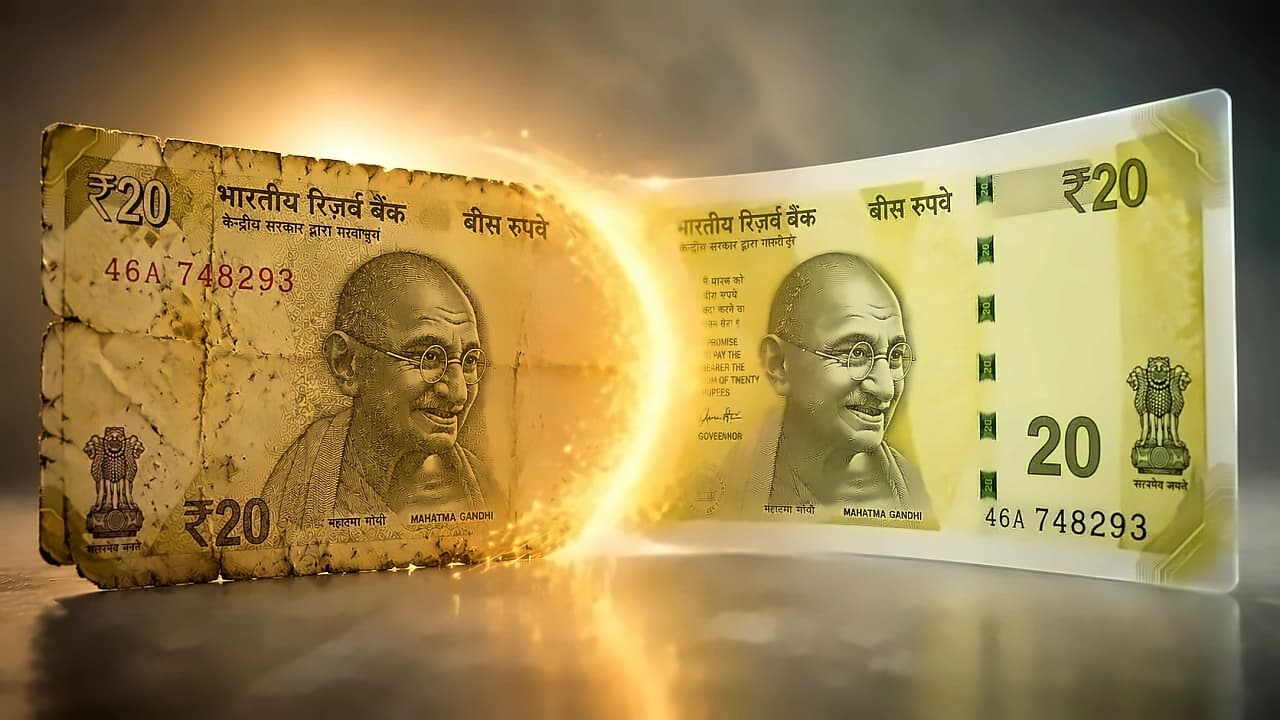
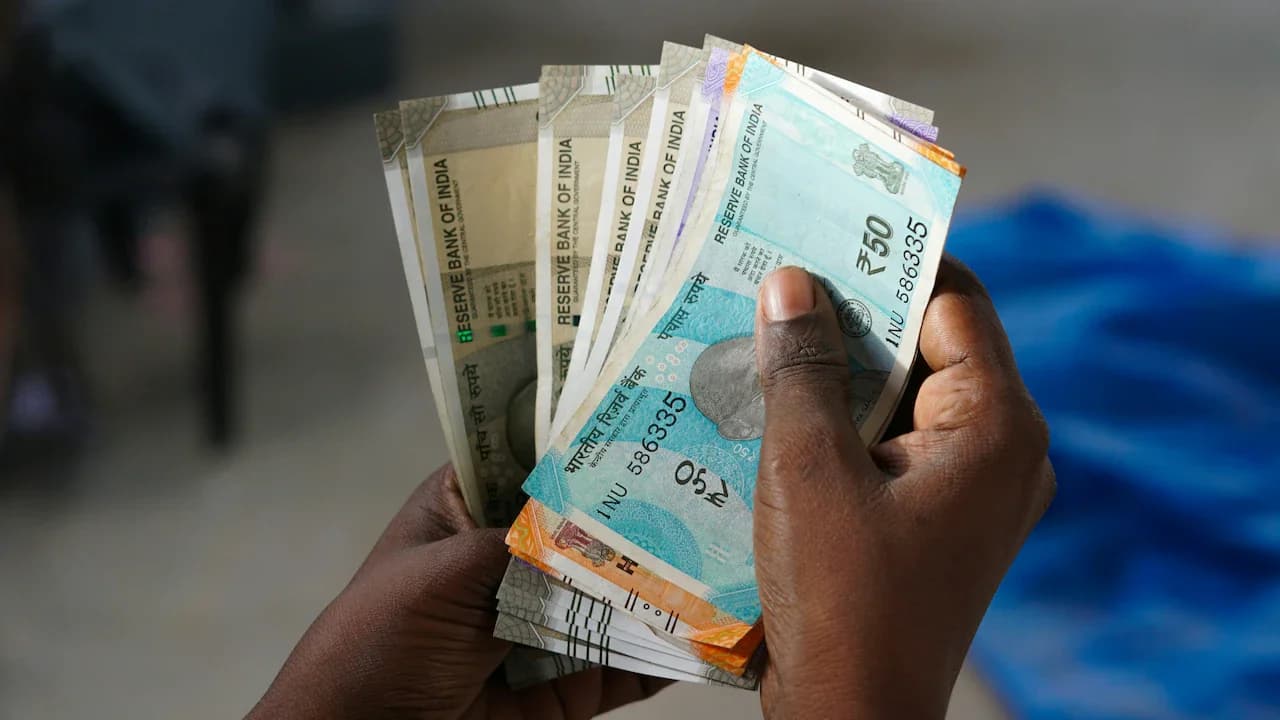
The Reserve Bank of India has officially confirmed that polymer banknotes will enter circulation at the start of the next financial year, according to RBI Governor Sanjay Malhotra. Speaking to reporters after the monetary policy committee meeting on August 5, Malhotra said the pilot programme for polymer banknotes is still in progress. "We are still at a pilot stage. We will test and check how they perform in Indian conditions, climate, and other infrastructure we have put in place. It is only thereafter that we will see if we need to further scale it as it is or with changes," the RBI Governor said. He added that, if everything proceeds according to plan, the central bank expects the polymer notes to enter circulation at the beginning of FY27-28. This confirmation comes after the government approved the RBI's proposal last week for field trials of one billion polymer banknotes each in the ₹10 and ₹20 denominations. The pilot rollout is expected to begin soon with the smaller denominations, marking the next phase in the central bank's plan to introduce the new-generation currency.
According to Malhotra, polymer notes serve two primary purposes - enhanced durability and expanded capacity to meet growing economic needs. Polymer notes can have a lifespan up to four times longer than paper substrate, with international studies showing they remain in circulation about 2.5 times longer than conventional paper currency. A UK study found that the lifespan of a £5 polymer note increased from 1.9 years to 4.8 years, while Canada's experience showed the average lifespan of banknotes quadrupled after switching to polymer. The Bank of England has reported a significant decline in counterfeiting following the introduction of polymer banknotes. Malhotra emphasized that polymer notes have remained in circulation for more than 30 years in some countries and would be especially useful for denominations with high transaction volumes. The enhanced durability also reduces the environmental footprint of continuous currency production. Polymer notes also allow the incorporation of advanced security features, including transparent windows and enhanced anti-counterfeiting elements, as reported by Banking - Business Standard.
The move comes as India has withdrawn nearly ₹50 trillion worth of soiled currency over the past decade. Annual spending on currency security features is estimated at around ₹5,000 crore. Since FY17, the RBI has removed 71 soiled notes from circulation for every 100 fresh notes issued, while counterfeit currency has been increasing. As reported by The Times of India, the RBI has informed that international studies show the lifespan of polymer banknotes is significantly higher than paper banknotes. However, Minister of State for Finance Pankaj Chaudhary noted in a written reply to the Lok Sabha that the proposal is still at a preliminary stage and its impact on digital payments can be assessed only after regular issuance of the notes. The Ministry of Finance has explicitly stated that the introduction of polymer notes will not trigger an immediate demonetization of existing paper currency, instead allowing for a phased approach where polymer and paper banknotes will coexist with the new notes being introduced gradually while current paper notes continue to remain in circulation. According to Malhotra, the polymer currency notes have lasted for over 30 years in some jurisdictions and will come in handy, especially for the lower denomination notes which have high velocity.
The latest development shows the Centre has permitted the RBI to print two billion pieces of polymer notes initially for field trials, as the government informed Parliament on Monday. This represents a significant increase from the previously approved one billion polymer banknotes each in the ₹10 and ₹20 denominations. The enhanced approval demonstrates the government's commitment to supporting the central bank's transition to polymer currency. As part of the initiative, the RBI has issued a global tender through its currency-printing subsidiary, Bharatiya Reserve Bank Note Mudran Pvt Ltd (BRBNMPL), seeking suppliers for polymer substrate sheets embedded with advanced security features. The tender document invites global manufacturers to supply polymer substrate embedded with advanced security features designed to enhance the durability of banknotes and strengthen protection against counterfeiting. The last date for submitting bids is August 18. The field trials are designed to test the substrate durability against extreme Indian climatic conditions, ranging from soaring summer humidity to heavy monsoon rains. The project aims to test performance in Indian conditions, climate, and infrastructure before considering further scaling.
Plastic notes offer several advantages including stronger security features, lower risk of counterfeiting, reduced lifetime costs, and a smaller carbon footprint. According to Malhotra, the RBI will test and check how polymer notes perform in Indian conditions before deciding on further scaling. The initiative represents a renewed push even as digital payments continue to expand rapidly while demand for cash remains strong. India's renewed effort comes after an earlier attempt in 2012 to introduce polymer currency failed to take off due to technological challenges, despite the government approving field trials of one billion ₹10-rupee polymer notes in select cities. If the Reserve Bank of India successfully scales this transition across a population of 1.4 billion people, it will unequivocally prove the viability of polymer currency in complex, climate-stressed, cash-intensive emerging markets. The initiative holds particular significance for African central banks, as economies with vast informal sectors, such as Kenya and Nigeria, rely heavily on low-denomination physical cash for daily transactions, with rapid soiling and physical destruction costing millions annually in printing and logistical replacement fees. According to the RBI's FY26 annual report, expenditure on security printing declined to ₹4,875.2 crore in 2025-26 from ₹6,372.8 crore in the previous year, indicating the potential cost savings from polymer adoption.