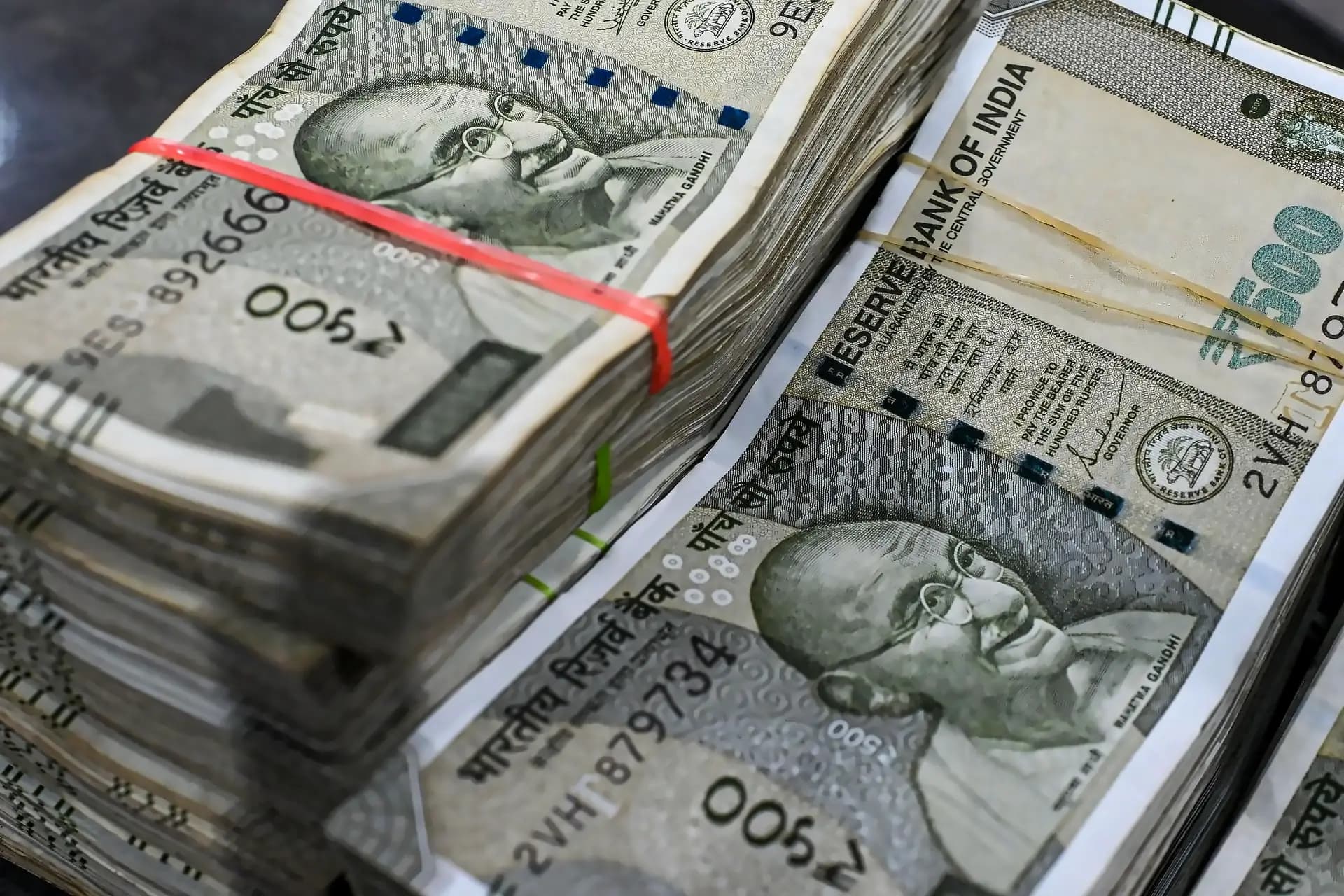
The Reserve Bank of India has taken a significant step towards introducing polymer banknotes by inviting Expressions of Interest (EOI) from global companies for the manufacture and supply of specialized polymer substrate. According to the latest EOI document dated July 17, 2026, the requirement is set at 68,000 reams with 34,000 reams for each denomination, with each ream consisting of 500 sheets. The bidder must offer minimum 30 per cent of the above quantity (at least 20,400 reams) to qualify for this EOI. As per The Economic Times, the document seeks competitive offers from manufacturers with essential experience in manufacturing and supplying polymer substrate with security features to central banks or banknote printing organizations for at least three years ending March 31, 2026. The bidder must also demonstrate annual capacity to manufacture and supply at least 30 per cent of the offered quantity and maintain a net worth that is not negative as of March 31, 2025. Interested manufacturers have been asked to submit their bids by August 18, as reported by The Times of India.
The tender prescribes strict national security requirements that prospective suppliers must comply with. According to The Economic Times, suppliers must obtain security clearance from the government, isolate any operations in China or Pakistan from the India contract, refrain from sourcing raw materials for India's banknote substrate from the two countries, and commit not to supply India-specific substrate to any third country. This marks India's first formal procurement step towards polymer banknotes, though the Reserve Bank of India has not announced denominations or a timeline for their introduction. If adopted, this would mark a significant shift for India, where currency has been printed on specialized paper for nearly a century.
The Reserve Bank of India is set to begin the first pilot rollout of polymer banknotes soon, marking the next phase in the central bank's plan to introduce the new-generation currency. According to official sources, the pilot is likely to begin with smaller ₹10 and ₹20 denomination banknotes. Based on the outcome of the trial, the RBI is expected to move towards a full-scale rollout from 2027. As part of the initial phase, the RBI is expected to issue polymer versions of ₹10 and ₹20 banknotes to assess their durability and public acceptance before expanding the programme. An email sent to the RBI seeking comments remained unanswered till the time of publishing. The latest EOI issued by BRBNMPL represents only the beginning of the procurement process, with subsequent stages expected to include tendering, technical evaluation of suppliers, testing of polymer samples, security assessments and pilot printing before any decision on public circulation is taken.
Polymer banknotes offer significant cost advantages over traditional paper currency, with the cost of producing paper currency notes rising sharply to ₹6,372.8 crore in 2024-25 from ₹5,101.4 crore in the previous financial year. According to Business Standard, sources familiar with the matter noted that there are clear advantages in the cost of production of polymer notes compared to paper notes currently being used. The RBI's earlier efforts to encourage the use of coins as a replacement for small-value notes reportedly failed to achieve the desired results, highlighting the continued demand for lower denomination notes such as ₹10 and ₹20. Additionally, automated teller machines (ATMs) would be enabled to dispense polymer-based notes, with the RBI having the wherewithal to implement this technology now. However, production costs are initially higher because the specialised polymer substrate is more expensive and may need to be imported, though studies suggest polymer notes generally prove more durable and cost-effective over their lifespan. Because they remain in circulation for longer periods, they also need to be replaced less frequently, potentially reducing printing and replacement costs over time, as noted by The Times of India.
Polymer banknotes are considered significantly more durable than conventional paper currency, lasting 2.5 to 4 times longer than paper notes and being more resistant to moisture, dirt and wear and tear. They also allow for the incorporation of sophisticated security features, making them more difficult to counterfeit. The material is coated with a white layer that enables high-quality printing while incorporating a transparent window, which is widely regarded as one of the strongest anti-counterfeiting measures. Several countries, including Australia, Canada, the United Kingdom and New Zealand, have already adopted polymer currency. Studies conducted globally have shown that polymer notes can last at least twice as long as paper notes and, in some cases, up to five times longer. Countries that have adopted polymer currency have generally reported lower levels of successful counterfeiting, particularly Australia, which fully switched to polymer notes by the mid-1990s, says its latest generation of notes includes multiple advanced security features that make them extremely difficult to counterfeit. The RBI had earlier announced its intention to introduce polymer banknotes as part of its broader strategy to improve the quality and longevity of currency in circulation.
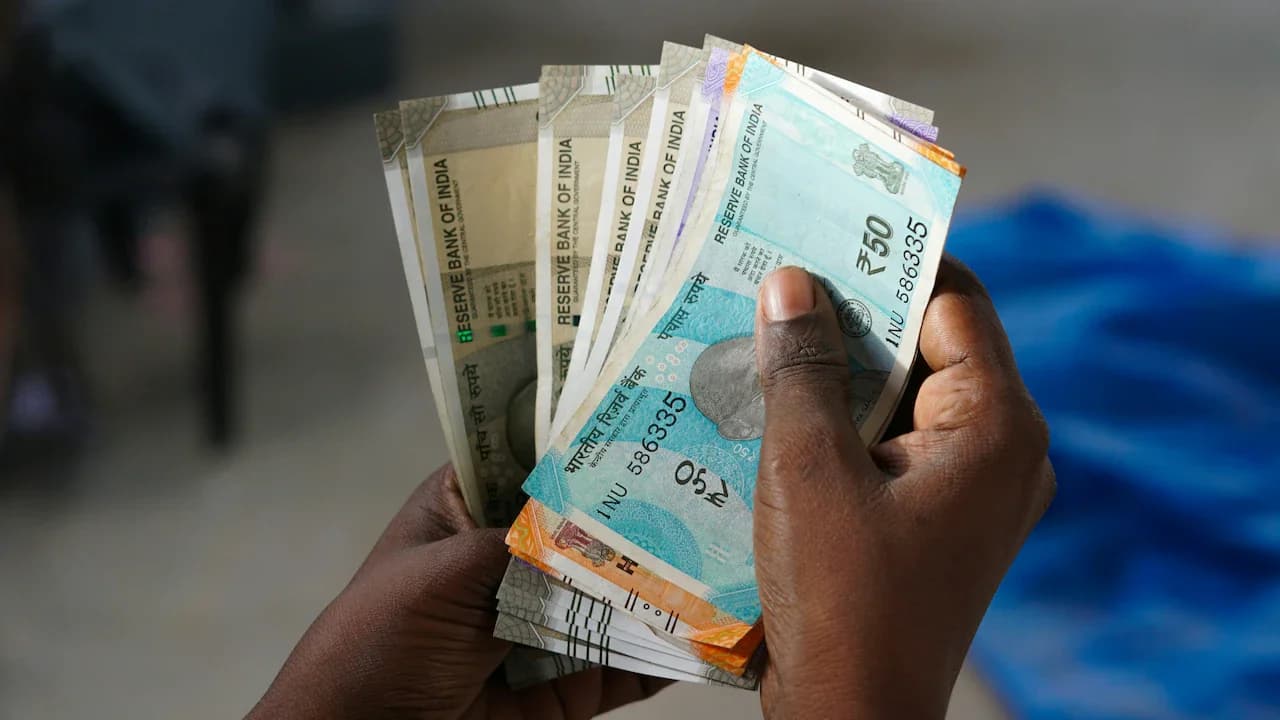
According to the latest RBI annual report, 2,810 crore pieces of currency notes were supplied by BRBNMPL and Security Printing and Minting Corporation of India Ltd (SPMCIL) during the fiscal year. The central bank spent over ₹4,800 crore during the fiscal on printing notes and destroyed 1,700 crore pieces of soiled notes during the same period. In the same year, the value and volume of banknotes in circulation increased by 11.9 per cent and 10.5 per cent, respectively. This substantial increase in currency circulation underscores the growing demand for durable banknotes that can withstand the rigors of daily use and maintain their integrity over extended periods. According to RBI data, nearly two lakh damaged currency notes are withdrawn and destroyed every year, with high-value denominations such as ₹100 and ₹500 accounting for a large share of the damaged notes removed from circulation. The deterioration of paper currency caused by frequent handling and India's varied climatic conditions has been a key factor driving the RBI's exploration of polymer alternatives. Despite the decline in printing costs, the value of currency in circulation rose 12 per cent year-on-year to ₹41.23 trillion at the end of March 2026, showing continued demand for cash. The ₹500 note remained the dominant denomination, accounting for 86 per cent of the total value of currency in circulation and over 7 billion notes, or 41 per cent of the total volume.