India is set to launch its first tokenised corporate bond issue in September, marking a historic milestone in the country's digital financial transformation. As reported by Reuters, state-owned power financier REC is expected to issue less than ₹500 crore worth of tokenised bonds in the offering, positioning India alongside major global markets like Europe and Hong Kong in blockchain-based bond issuance. The notes will be unveiled at an annual financial technology event in Mumbai, with the central bank's digital currency (CBDC) to be used for purchasing the tokenised bonds. The offering will be restricted to a select group of investors at the pilot stage, with details about the issuer, timeline and framework remaining confidential as discussions are ongoing.
The tokenised bond initiative introduces India's first e-wallet system called DEMAT 2.0, developed by Indian depositories to record bond holdings on distributed ledger technology. According to Reuters, investors will need to access two digital accounts: a wholesale CBDC wallet provided by a bank, and a new electronic securities wallet. Subsequent trades can take place only between participants that hold both compatible CBDC and securities wallets. The bonds will feature an initial three-month lock-in period, with exchanges expected to develop a secondary market for tokenised bonds by December. Notably, the securities will not be traded on the conventional electronic book provider platform, representing a complete shift from traditional bond trading mechanisms and creating a closed digital ecosystem for both payment and securities ownership.
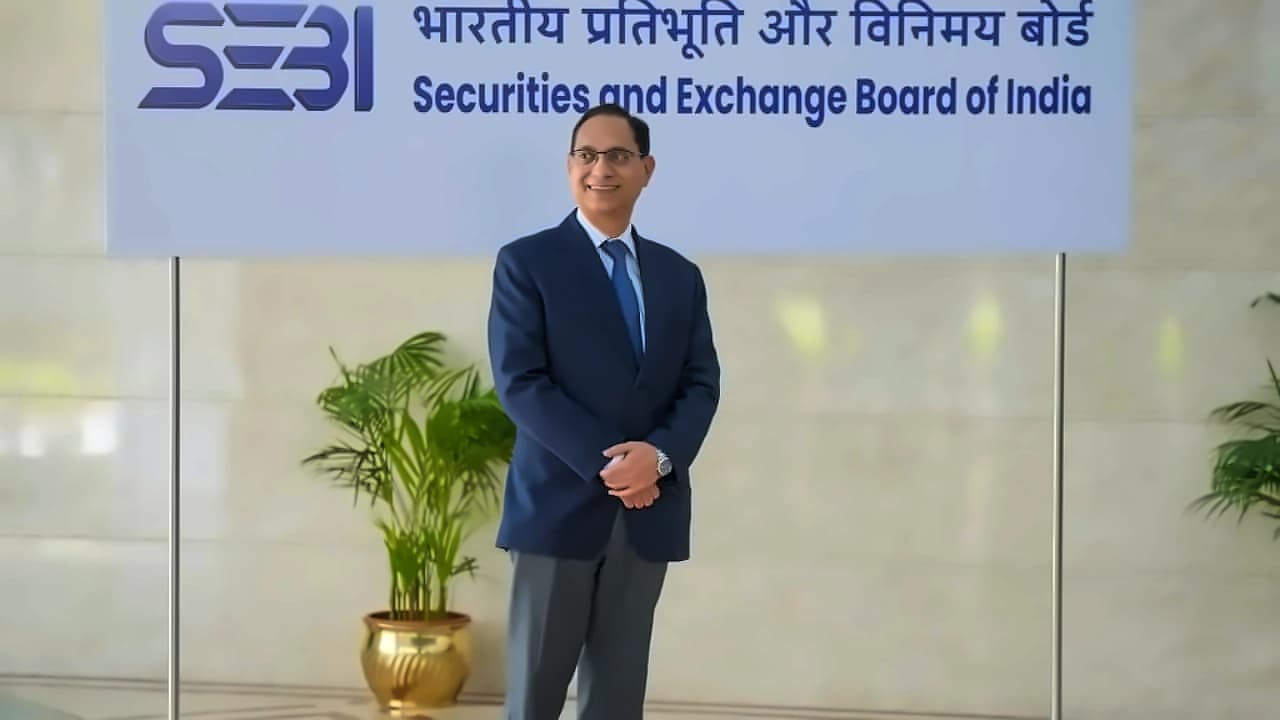
The Securities and Exchange Board of India (SEBI) and Reserve Bank of India (RBI) are launching a bond tokenisation pilot to enhance settlement efficiency and broaden corporate bond access. As per Reuters, the pilot is moving forward with a wider project expected in the near future, marking a significant step forward from the initial consultation phase. The initiative will examine whether shared data can enable the simultaneous transfer of securities, making settlement more efficient and reducing reconciliation costs. SEBI Chairman Tuhin Kanta Pandey confirmed that the pilot is also expected to examine the feasibility of automated coupon payments and other servicing events through smart contracts. Pandey emphasized that "This is not about creating a separate trading market. It is about examining whether technology can make the existing bond market simpler, faster and more efficient."
The Securities and Exchange Board of India (Sebi)'s bond tokenisation pilot has received strong industry endorsement from market participants. Kamlesh Shroff, President of the Association of National Exchanges Members of India (ANMI), welcomed the initiative, stating that tokenisation through technology helps improve market depth and breadth. As reported by The Hindu BusinessLine, Shroff noted that tokenisation allows investors to buy small pieces of securities, representing a good step in the right direction for market development. The pilot, being taken forward in coordination with the Reserve Bank of India (RBI), will examine whether a shared ledger can enable simultaneous transfer of securities and money, reducing reconciliation costs. Speaking at the ASSOCHAM summit, Shroff observed that "Tokenisation through technology does help in terms of improving the market depth and breadth... You can buy a small piece of that particular item... It is a good step in the right direction."

India's corporate bond market is undergoing significant transformation with tokenised bonds offering instant settlement capabilities through blockchain technology. As reported by Reuters, the technology allows transactions to be completed almost instantly compared to traditional settlement processes, with the potential to enable significantly faster settlement of transactions while reducing some of the processes involved in conventional securities settlement. The ₹6,000 crore corporate bond repo market currently accounts for less than 1 per cent of the overall repo market, with Sebi examining measures to deepen this segment alongside securities lending and borrowing. The regulator is also working on a formalised market-making framework proposed in the Union Budget for 2026-27 to address current market fragmentation challenges. With nearly 33,000 outstanding instruments spread across around 7,200 issuers, the technology-led solutions aim to improve price discovery and liquidity across the market.
India's outstanding corporate bonds have grown from about ₹17.5 trillion at the end of FY15 to over ₹60 trillion at the end of July 2026. The tokenised bond launch represents a significant step toward widening market breadth and enhancing price discovery across asset classes. According to The Hindu BusinessLine, Shroff called for these measures to drive India's financial ecosystem, noting that technology-led solutions like tokenisation play a crucial role in market transformation. The ₹5 billion pilot offering by REC positions India at the forefront of global blockchain adoption in corporate bond markets, with the initiative expected to improve price discovery through better matching mechanisms and reduce operational complexity in the corporate bond market. The pilot also represents an expansion of India's experiments with digital financial infrastructure, allowing regulators and market participants to test how digital currency and tokenised securities can operate together through integrated digital systems.