Sign in to fuzzto save your conversations, follow your research and come back anytime.

In the news
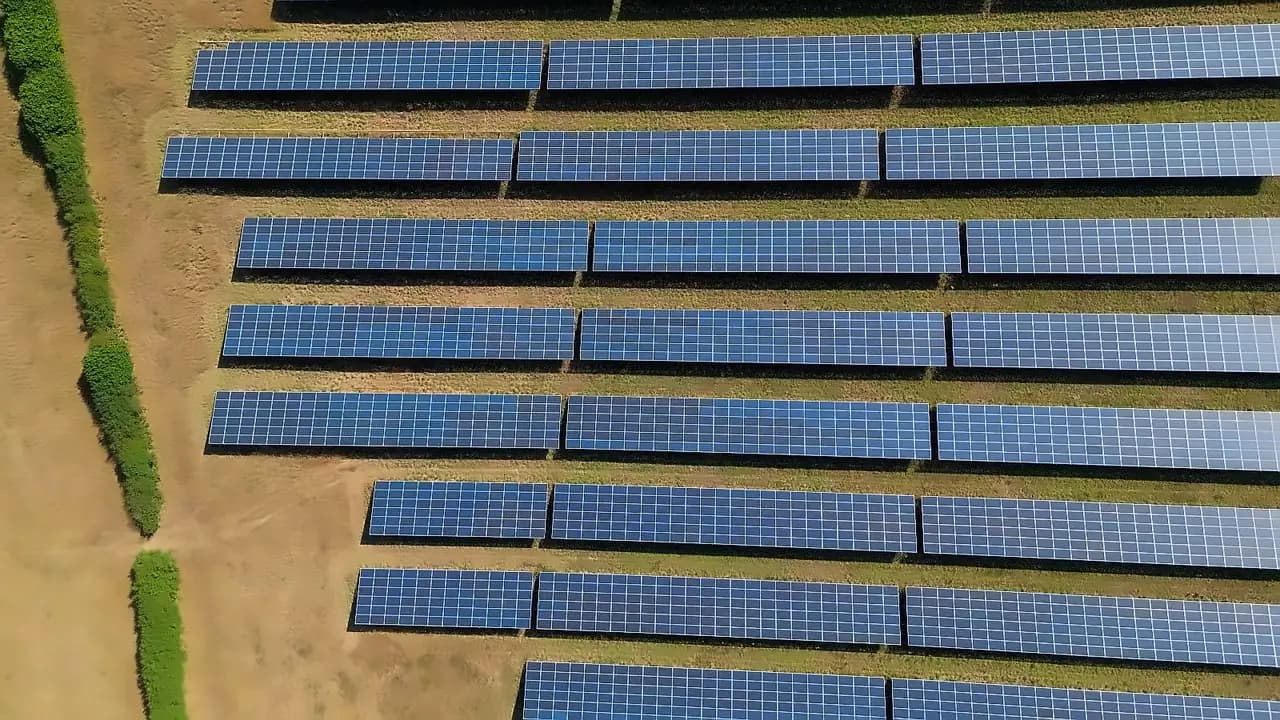
Vikram Solar shares rise 3% after securing 400 MW Maharashtra order
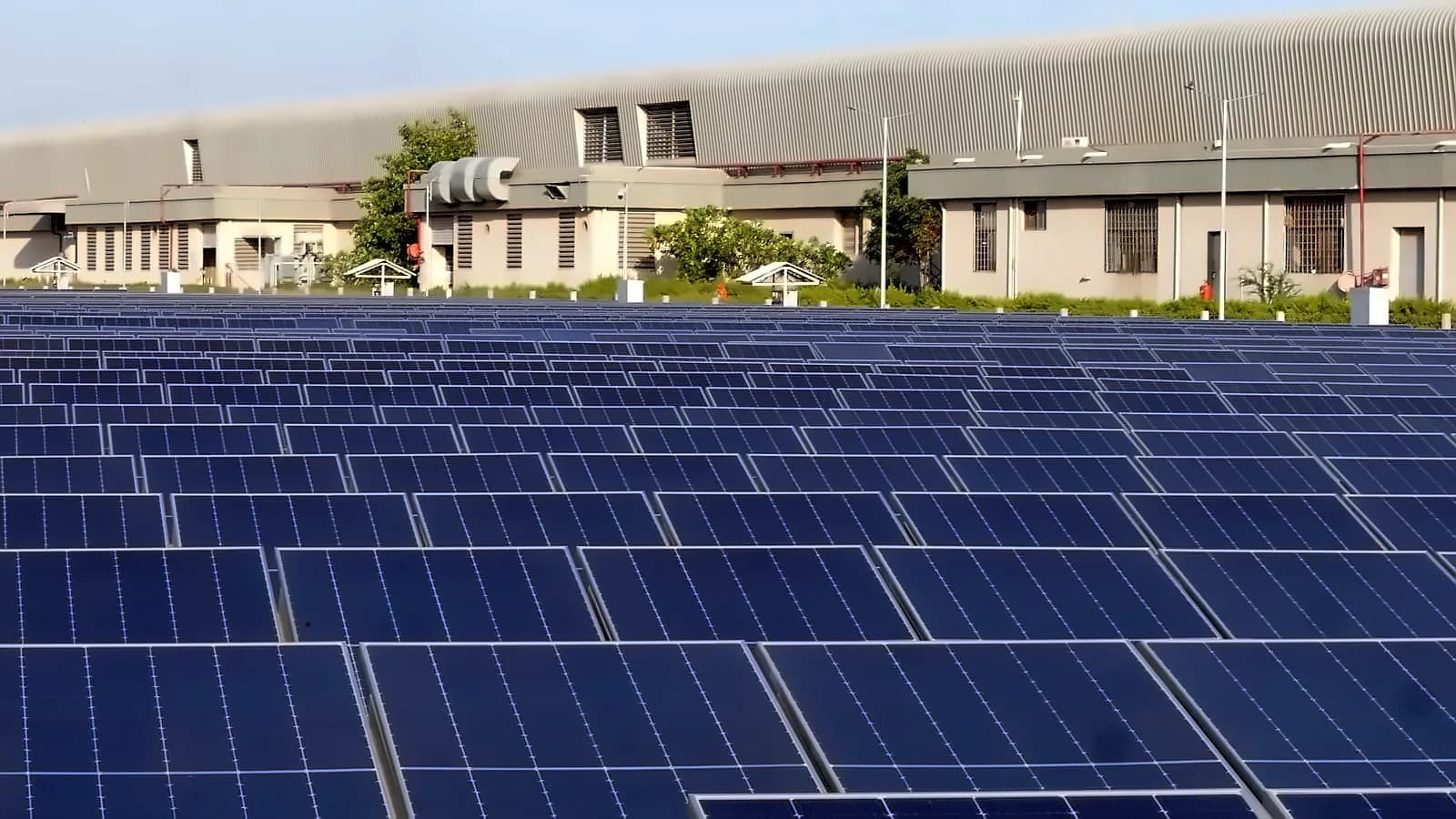
Vikram Solar signs ₹1,250 cr deal with Avaada Electro for 1 GW cells

Vikram Solar wins 124 MW module order for Andhra Pradesh project
₹1.5L Cr IPO Shares Unlock: 80 Companies Face Lock-In Expiry

Market Movers: From IPO Frenzy to Margin Pressures

Market Movers: Zaggle's Margin Pain, Vikram's Solar Bet, and Dhoot's IPO Blockbuster

Vikram Solar FY26: 3x Profit Surge Drives ₹10,000 Crore Expansion Push
The Quarter story
The two most recent quarterly results, compared side-by-side.
Revenue and sales volumes are rising, but profits are collapsing as margins shrink under cost pressure.
Revenue grows from ₹1,110 Cr in Q2 FY26 to ₹1,563 Cr in Q1 FY27, showing strong top-line momentum.
Profit after tax falls from ₹133 Cr in Q1 FY26 to ₹20 Cr in Q1 FY27, showing a sharp earnings drop.
Sales volume climbs from 784 MW in Q2 FY26 to 1,006 MW in Q1 FY27, indicating steady demand.
PAT margin drops from 12% in Q2 FY26 to 1% in Q1 FY27, highlighting severe profitability pressure.
Solar module manufacturing capacity expands from 4.5 GW in Q1 FY26 to 9.5 GW in Q3 FY26, supporting future output.
EBITDA margin slips from 21.4% in Q1 FY26 to 8% in Q1 FY27, driven by rising costs.
Depreciation rises from ₹33.5 Cr in Q1 FY26 to ₹64 Cr in Q1 FY27, reflecting a growing asset base.
Order book contracts from 11.15 GW in Q2 FY26 to 7.9 GW in Q1 FY27, indicating a shrinking pipeline.
Employee cost increases from ₹35.4 Cr in Q1 FY26 to ₹55 Cr in Q1 FY27, signaling workforce expansion.
Cost of goods sold surges from ₹745 Cr in Q2 FY26 to ₹1,268 Cr in Q1 FY27, squeezing operating margins.
Company insights, generated from the most recent coverage.
N-Type TOPCon G12R 620 Wp bifacial modules command a price premium over Mono PERC, which is what lifts blended EBITDA toward 8.5–9.0% from the 8.0% Q1 FY27 level.
Decentralised multi-site delivery across Maharashtra is the main risk — logistics dispersion, farmer land coordination and grid connectivity sit outside Vikram's direct control even though it only supplies modules.
MSKVY 2.0 state-programme backing lowers payment risk relative to merchant solar demand, making agri-feeder solarisation a more reliable demand pocket for Vikram.