Sign in to fuzzto save your conversations, follow your research and come back anytime.

Tata Motors Limited is a global automobile manufacturer based in India. It produces cars, utility vehicles, pick-ups, trucks, and buses, offering integrated smart and e-mobility solutions. The company operates in multiple segments including Tata Commercial Vehicles, Tata Passenger Vehicles, Jaguar Land Rover, and Vehicle Financing. Tata Motors has manufacturing facilities in India, the UK, South Korea, Thailand, South Africa and Indonesia. It markets its vehicles in Africa, the Middle East, Latin America, Southeast Asia, and SAARC countries. The company is involved in the development, design, manufacture, assembly and sale of vehicles, as well as related parts, accessories and services. Tata Motors also has interests in information technology and insurance broking services.
In the news

Tata Motors-Stellantis expand tie-up as Iveco deal nears completion
JLR’s High-Stakes Bet: Jaguar’s Electric Reinvention

Tata Motors PV shares fall 3% despite 40% Q2 sales growth
CAFE-3 Norms: Reshaping India's Auto Industry

Tata Motors launches Aeris at ₹5.29 lakh, targets 7.5 lakh+ sales

Experts advise sell Tata Motors, hold Airtel, Inox Wind stocks

Tata Motors PV allots 1 lakh equity shares under ESOP
Corporate Moves: From Steel to Strategy, September's Big Bets
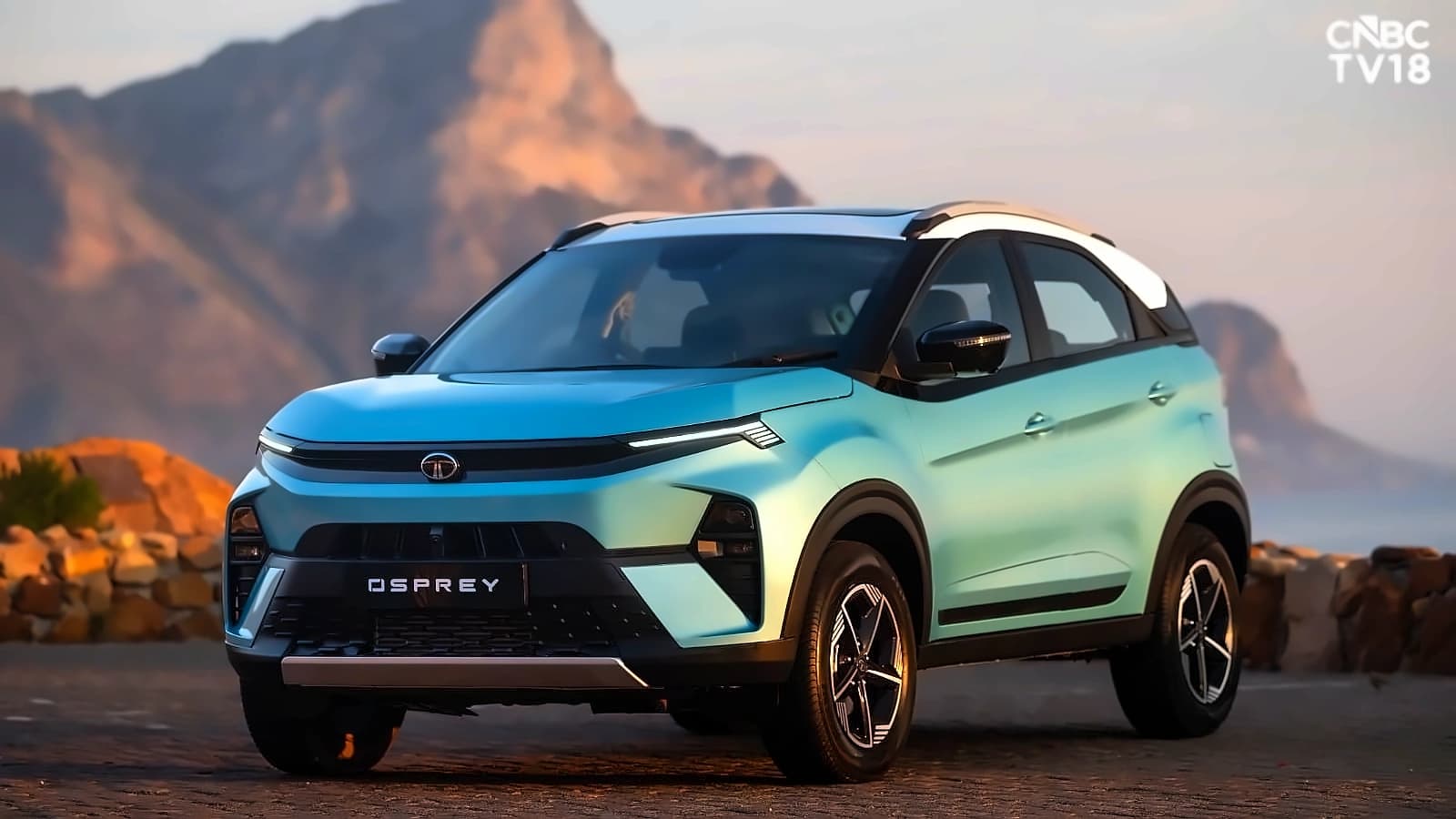
Tata Osprey (Nexon) launched in South Africa at ₹14.8 lakh

TATA.CARS domestic sales surge 59% in August, EVs hit record high

Kotak Cuts Tata Motors PV Target to ₹285, Retains Sell Rating
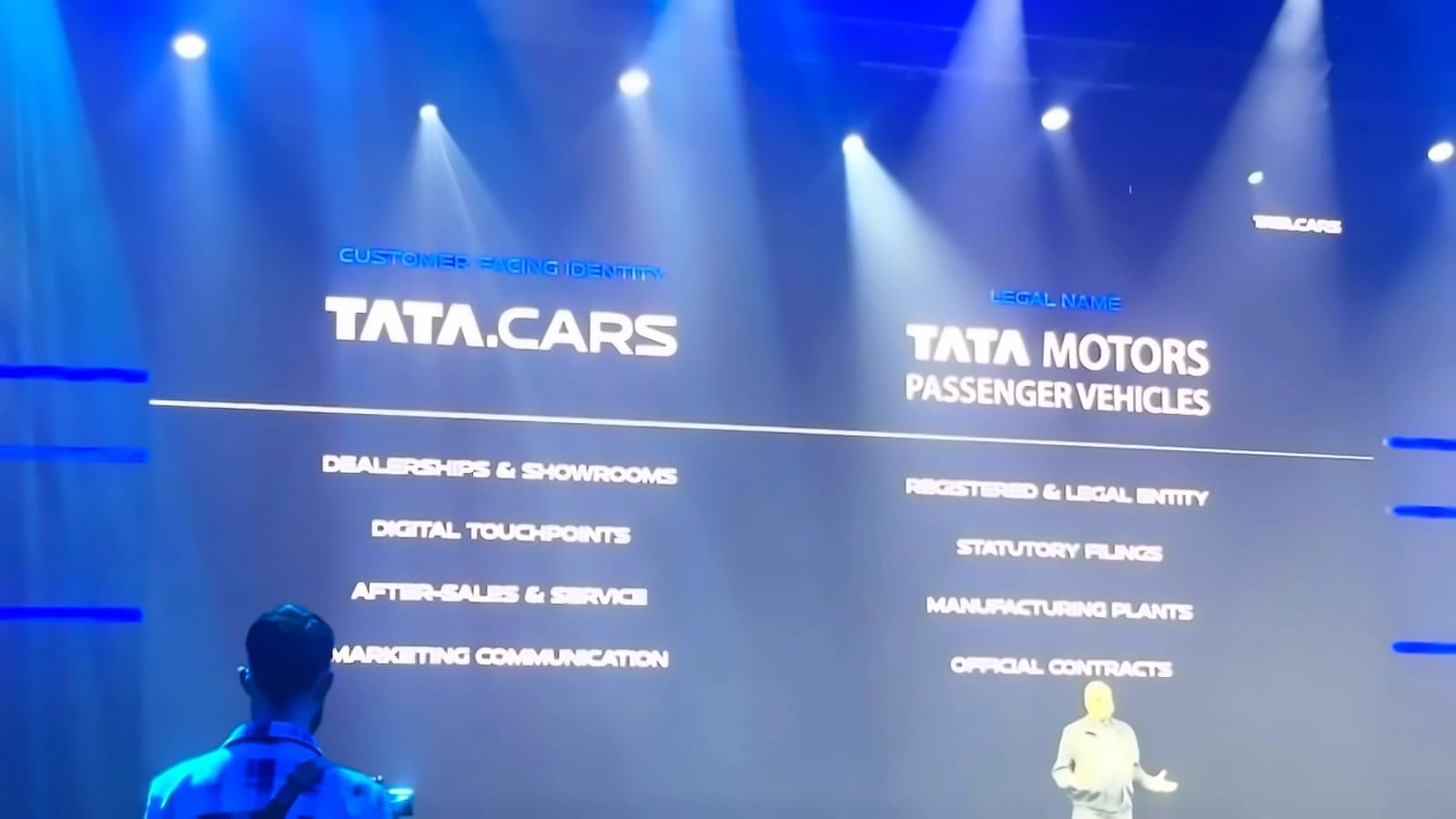
Tata Motors implements TATA.CARS brand across dealerships and digital platforms

Market Experts' Stock Picks: Tata Motors, Vodafone Idea, Auto Ancillaries

Regulatory Shifts and Strategic Bets: Corporate Performance Drivers Across Diversified Sectors

Tata Motors PV Shares Down 0.32% Despite Price Hike Announcement
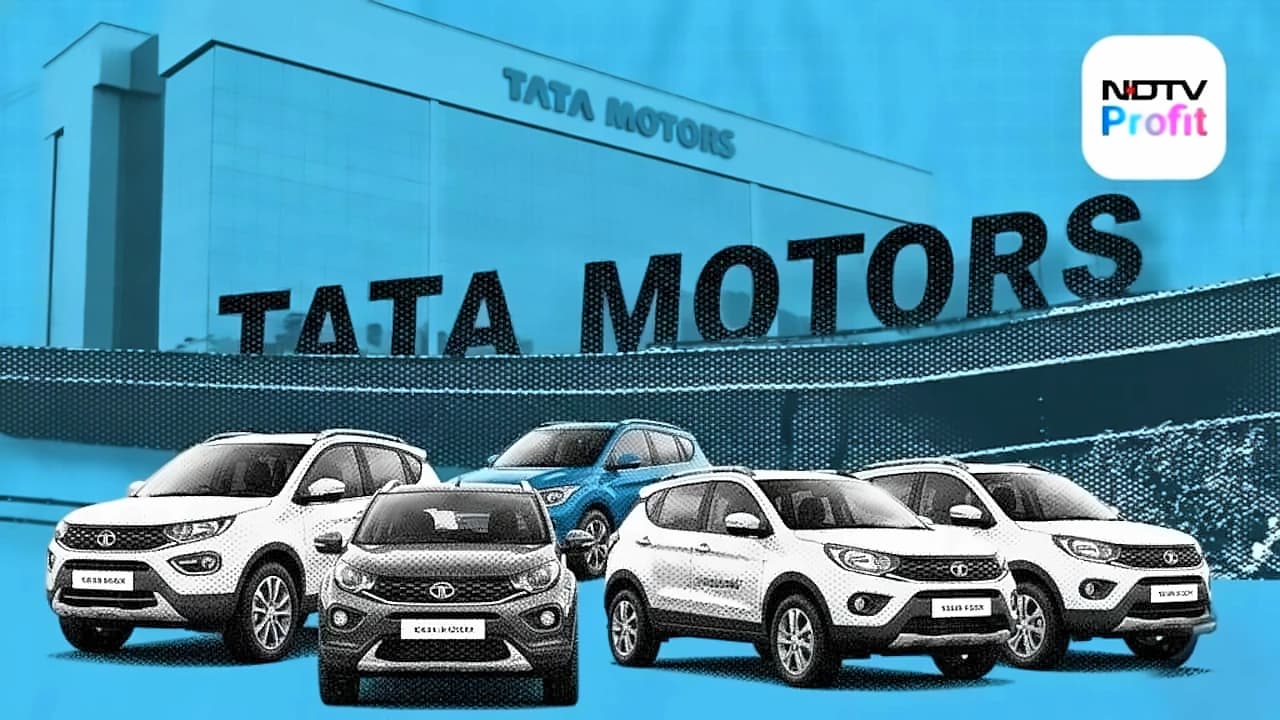
Tata Motors Restores Sanand Operations After ₹35-40 Cr Flood Damage
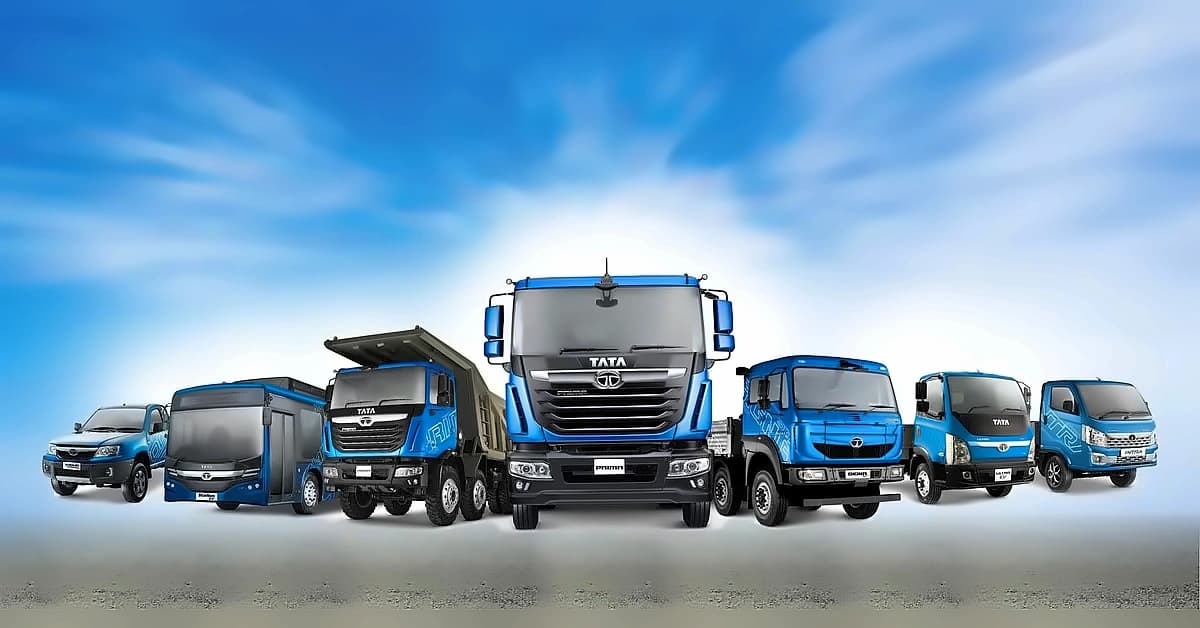
Tata Motors stock rebounds 22% from June low, nears record high

Hyundai's Price Hike Strategy: Margins Under Pressure

Ashok Leyland Shares Rise 3% After Record Q1 Results; Brokerages Hike Targets

Tata Motors' EV Gamble: Can India's EV King Stay Ahead?
The Quarter story
The two most recent quarterly results, compared side-by-side.
Strong domestic cash generation and market share growth offset international margin pressure and seasonal earnings volatility.
Tata Passenger Vehicles liquidity surged from ₹6,473 Cr in Q1 FY26 to ₹10,905 Cr in Q1 FY27, building strong cash buffers.
Tata Passenger Vehicles EBIT margin fell from 1.4% in Q4 FY26 to (0.5%) in Q1 FY27, highlighting near-term profitability pressure.
Vahan domestic market share climbed from 12.3% in Q1 FY26 to 39.0% in Q1 FY27, reflecting dominant local demand.
Jaguar Land Rover China JV EBITDA margin dropped from 25% in Q1 FY26 to 14% in Q1 FY27, indicating competitive strain.
Consolidated free cash flow recovered from (₹3,806 Cr) in Q1 FY26 to ₹1,121 Cr in Q1 FY27, signaling improved cash generation.
Jaguar Land Rover hedge reserve declined from £1,472 Mn in Q1 FY26 to £431 Mn in Q1 FY27, reducing currency risk buffers.
Jaguar Land Rover capitalised engineering spend rose from £443 Mn in Q1 FY26 to £489 Mn in Q1 FY27, sustaining long-term R&D focus.
Jaguar Land Rover China retail volumes fell from 17.2k in Q1 FY26 to 13.1k in Q1 FY27, signaling regional demand softness.
Tata Passenger Vehicles revenue from operations grew from ₹10,877 Cr in Q1 FY26 to ₹17,930 Cr in Q1 FY27, tracking steady sales expansion.
Jaguar Land Rover cash balance dropped from £3.3 Mn in Q1 FY26 to £1.7 Mn in Q1 FY27, tightening immediate liquidity.
Company insights, generated from the most recent coverage.
EV and CNG reached 51% of Tata PV volumes with EV sales up 67%, so Hyundai's hybrid and EV push arrives against an entrenched incumbent rather than an open field.
Tata PV's Tier-1 localisation of 75-80% (FY25) sits below HMIL's 83%, but the two are not comparable — Tata's number includes JLR's global sourcing footprint, which HMIL simply does not carry.
Tata PV hedges aluminium and is actively substituting rare-earth-free components, while casting-supplier capacity constrained the Sierra engine ramp-up and JLR procurement was carved into a separate vertical. Its supply risk now sits in supplier capacity, not import dependence.