Sign in to fuzzto save your conversations, follow your research and come back anytime.

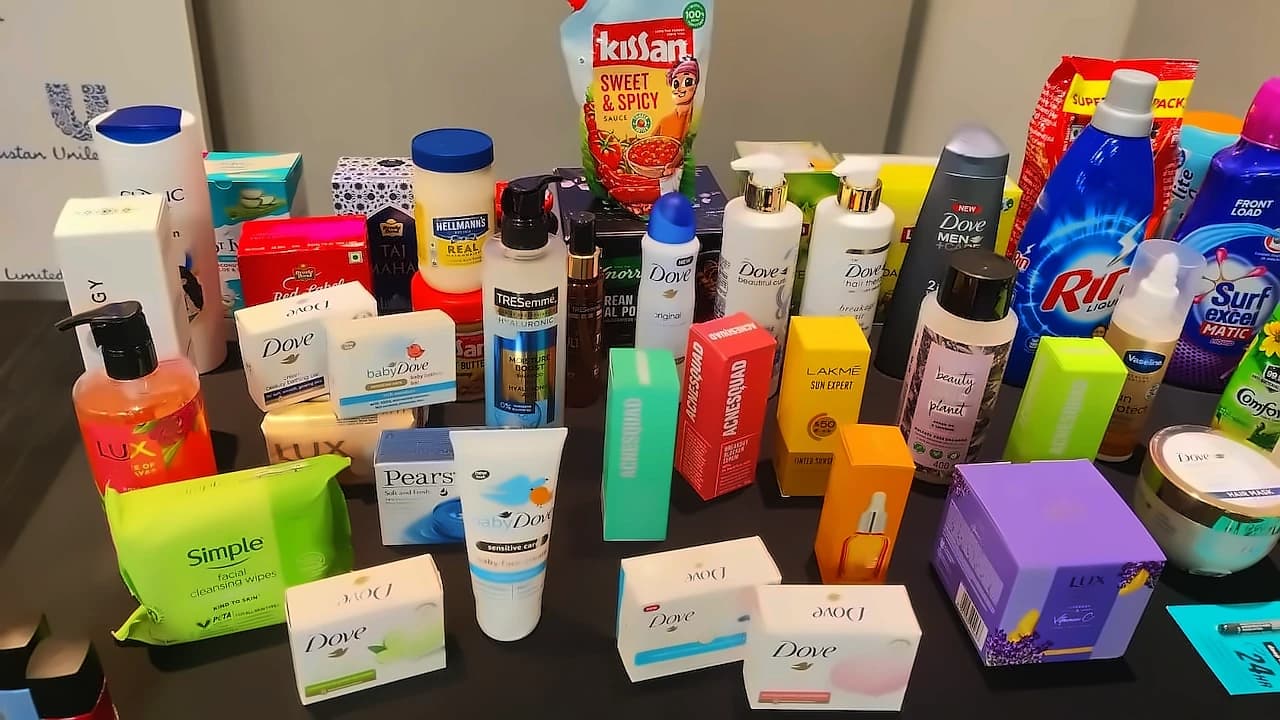
Hindustan Unilever Limited (HUL) is India's largest Fast-Moving Consumer Goods company, incorporated in 1933. It operates in five segments: Beauty & Wellbeing, Personal Care, Home Care, Nutrition, and Ice Cream. HUL's product portfolio includes popular household brands such as Lux, Lifebuoy, Surf Excel, Rin, Wheel, Fair & Lovely, Pond's, Vaseline, Lakme, Dove, Clinic Plus, Sunsilk, Pepsodent, Closeup, Axe, Brooke Bond, Bru, Knorr, Kissan, Kwality Wall's, and Pureit. The company's products span categories like soaps, detergents, personal care, beverages, foods, and ice creams. HUL is a subsidiary of Unilever and has undergone several mergers and acquisitions throughout its history. In 2020, HUL completed a merger with GlaxoSmithKline Consumer Healthcare Limited, acquiring brands like Horlicks and Boost. The company has a strong focus on innovation and sustainability in its operations.
In the news
FSSAI's Wake-Up Call for HUL and Nestlé India
FSSAI cracks down on FMCG giants Nestle India and HUL over misleading labels
HUL Q2 Results: Oct 28 Date Set, Dividend Decision Awaited
HUL Hikes Detergent Prices Up to 7.1% Across Wheel, Surf Excel
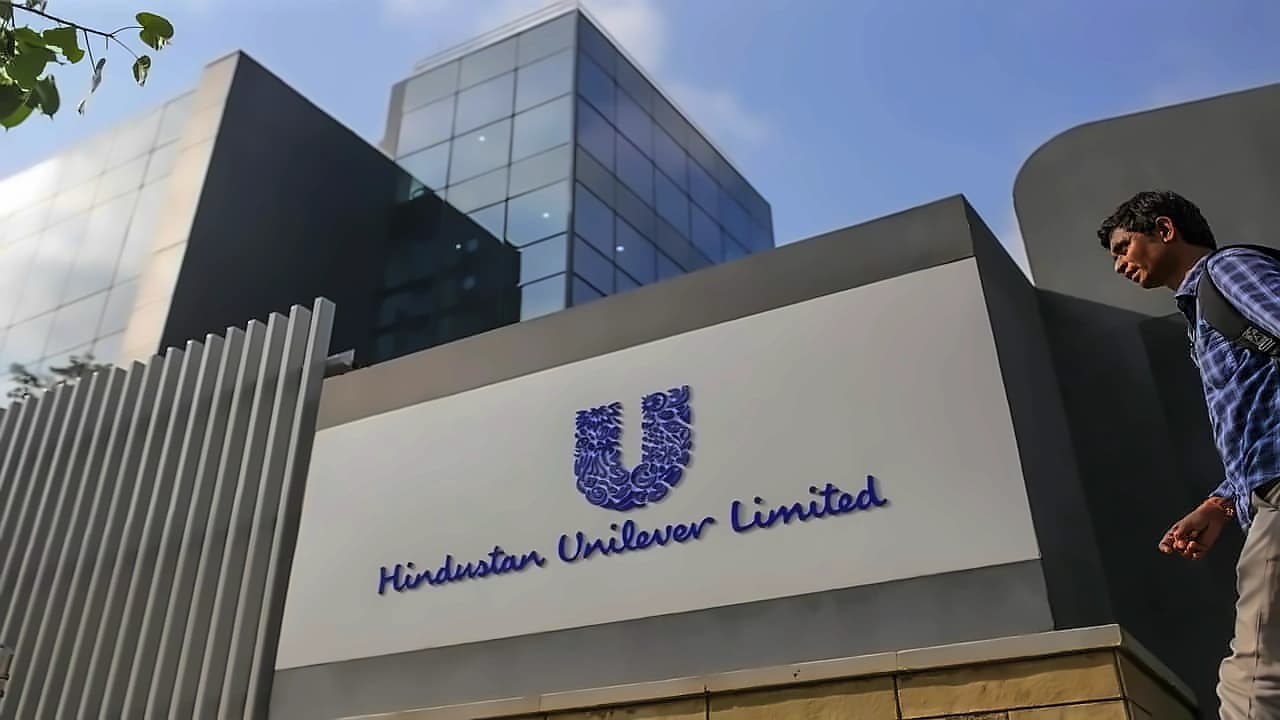
HUL market value drops to 35% of parent Unilever amid growth pressures
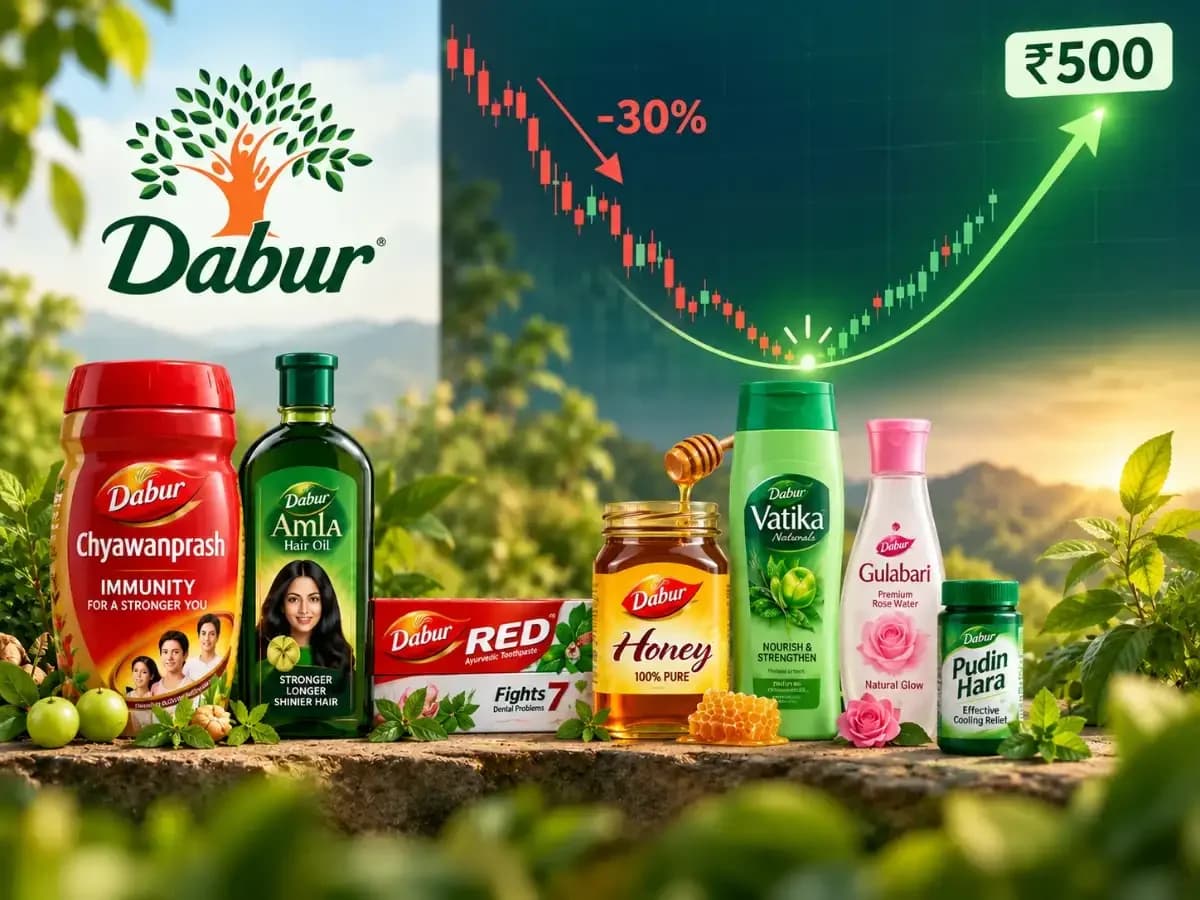
Dabur India Stock Trades Near Covid Lows Amid FMCG Sector Decline
FSSAI's Regulatory Crackdown: Compliance Costs and Strategic Shifts in India's FMCG Sector
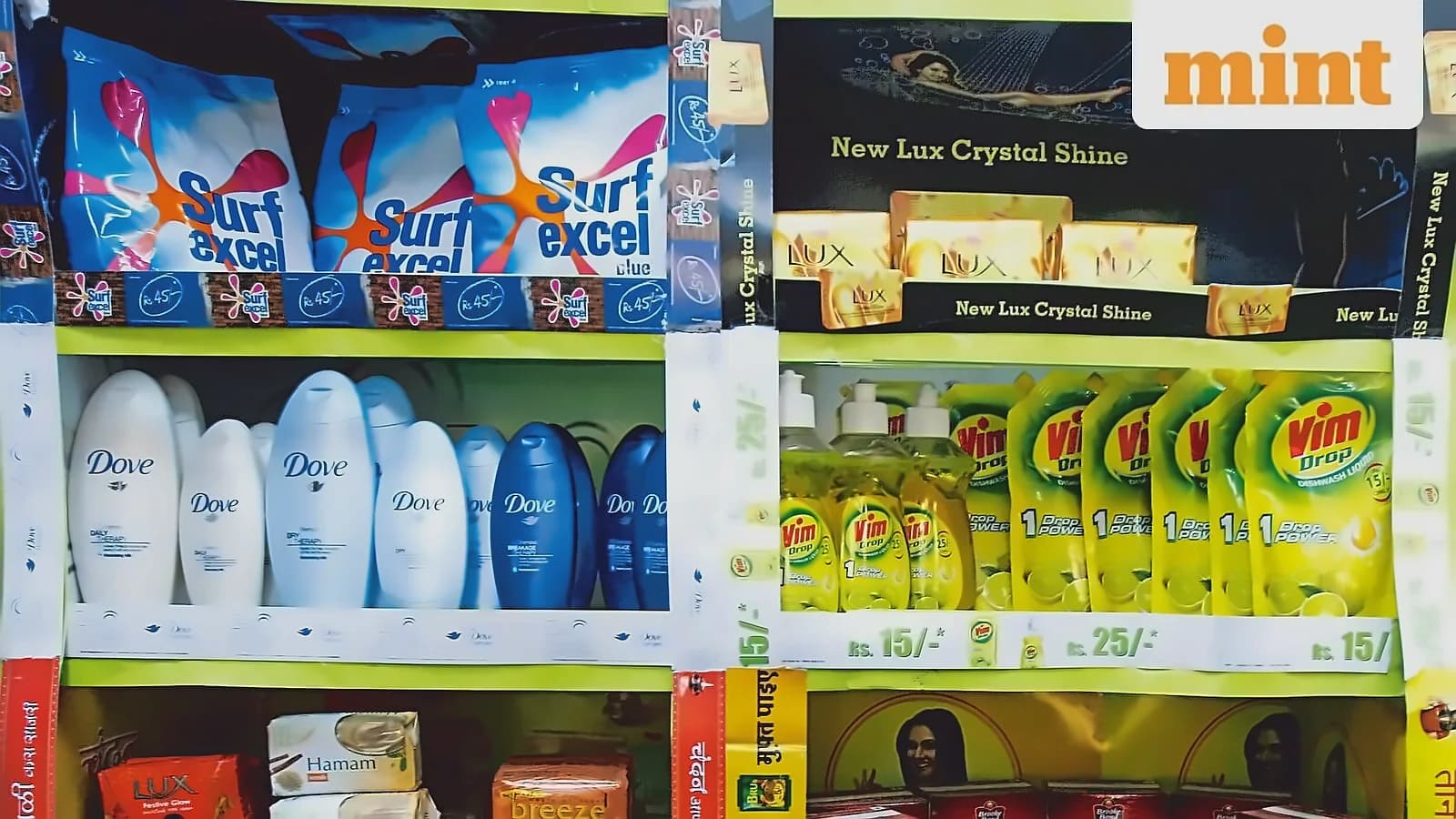
Delhi HC restrains BECO from running ads against HUL products

5 Stocks to Buy Today: SBI, HAL, Granules India

HUL Capital Markets Day: Mixed analyst targets, ₹2700 buy rating
Stocks to Watch: HUL, NTPC, LG Electronics in Focus Today

Hindustan Unilever's Strategic Turnaround: Margin Expansion, Capital Deployment, and Growth Pool Execution
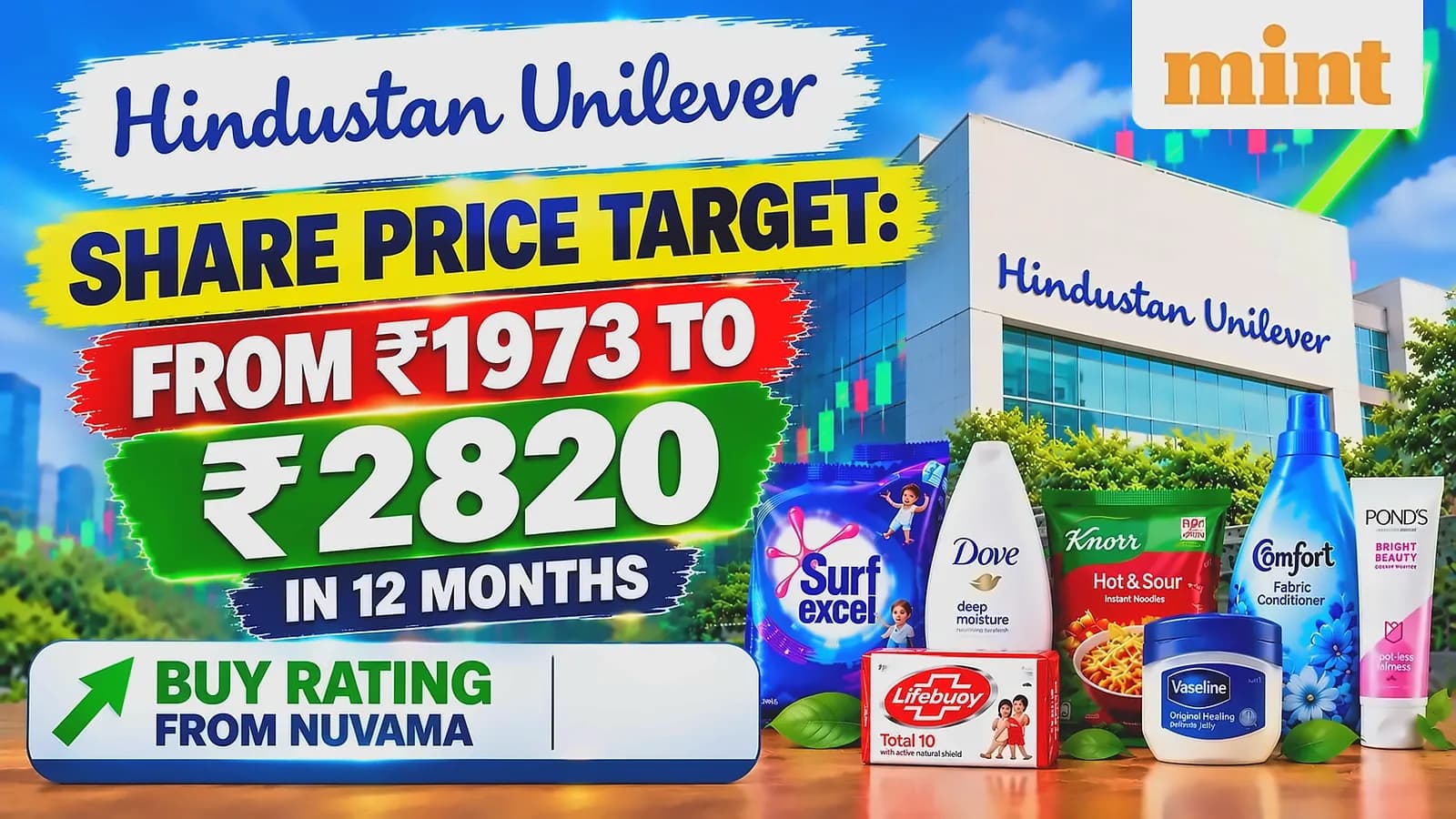
HUL shares fall 0.55% to ₹1,962.5 amid 'New India' growth strategy
HUL shares hit 52-week low at ₹1,962.80, down 0.62% on September 3

HUL Boosts Capex to 3% of Turnover, Targets 22-24% EBITDA Margin
HDFC Bank, Sterlite Tech lead midday stock moves amid market decline
Delhi HC reserves order on HUL vs Beco ad campaign dispute
FMCG Q1FY27: Leadership reshuffle amid 15% revenue growth recovery
FMCG Pricing Strategies: Margin Protection vs Volume Growth

Corporate Pricing, Inflation, and RBI’s Tightrope Walk
Company insights, generated from the most recent coverage.
The Horlicks Women's Plus notice is the more substantive HUL risk: if 'No Added Sugar' or '100% RDA' cannot be defended, the answer is reformulation or repositioning, not just rewording.
HUL's exposure is remediable within its own control — revised label, ad copy and marketplace listings, with no reformulation needed unless a claim is tied to the formulation. Faster and more certain to fix than Nestle's approval gap.
HUL's annual report already lists labelling inaccuracy as a named operational risk with regulatory-compliance consequences. The Horlicks notices are the risk crystallising exactly as disclosed — so this is a known, not a novel, exposure for the company.