The Delhi High Court has granted an interim injunction restraining Kwick Living (I) Private Limited, which operates cleaning brand BECO, from continuing its advertising campaign that allegedly linked Hindustan Unilever Limited's (HUL) Vim and Surf Excel products to skin irritation and health hazards. Justice Anup Jairam Bhambhani issued the oral direction halting the campaign following a month of proceedings in HUL's product disparagement lawsuit against the direct-to-consumer brand. The order came after almost a month of legal proceedings in the case, with the court specifically holding that comparative advertising cannot be used to convey a false or deceptive impression about a rival's products. As per the latest court order, the overall result of these representations contained in the impugned campaign, when perceived together and holistically, is not mere comparative advertising which eulogises the defendant's products as being superior to those of the plaintiff, but denigrates the plaintiff's products purportedly couched in verified scientific basis.
The advertising campaign in question, known as BECO's '#WarOnWhatsHidden' campaign, names HUL's products and highlights ingredients including Benzisothiazolinone (BIT) and Linear Alkylbenzene Sulfonate (LAS). The campaign was deployed across YouTube, Instagram, the company website, and high-visibility outdoor billboards across multiple cities. As reported by LiveLawBiz, the campaign also encouraged consumers to move to BECO products, specifically urging them to switch to BECO's plant-based alternatives on safety grounds. HUL challenged the advertisements as disparaging, arguing that they crossed the limits of permissible comparative advertising by portraying its products as unsafe. The court's latest ruling found that the manner in which the campaign presented chemical names, concentrations and percentages could lead consumers to believe that Surf Excel and Vim posed a definite safety risk.
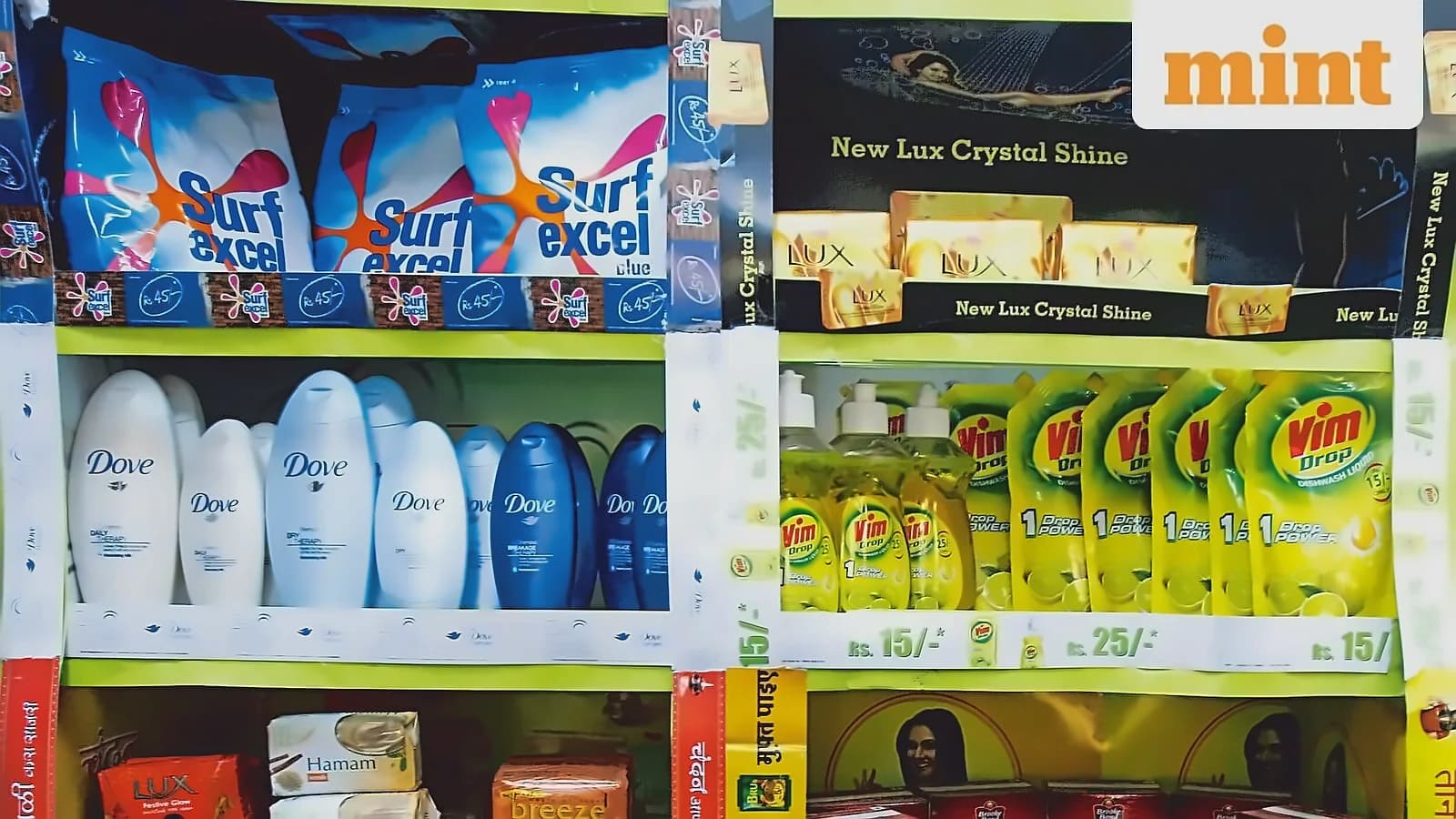
The case centres on whether BECO's claims constitute protected comparative advertising or amount to impermissible disparagement of HUL's products. Representing HUL, Senior Advocate Amit Sibal argued that while comparative advertising permits a brand to puff its own products, it legally prohibits portraying a competitor's products as unsafe or toxic. HUL submitted that BECO's claims lacked clinical testing on finished Surf Excel and Vim formulations, emphasizing that the chemical agents in question are industry-standard ingredients. Kwick Living, represented by Senior Advocate Chander M Lall, defended the advertisements as legitimate comparative advertising and consumer awareness, arguing that the campaign constituted truthful consumer awareness and protected commercial free speech, maintaining that the validity of the claims should be adjudicated at trial rather than through interim restraint. However, the court noted that it was not possible at the interim stage to resolve the parties' competing claims on the scientific evidence.
The court's analysis revealed that the campaign's commercial nature was demonstrated through its direction to consumers to switch to BECO products, which were described as 'hypoallergenic', 'baby safe' and 'pet safe'. Kwick Living defended the campaign by contending that the two substances were, in fact, present in the products and relied on scientific literature and regulatory material regarding their potential effects. However, the court found that Kwick Living had, at this stage, failed to establish the veracity of the overall message conveyed through its campaign. The court determined that determining the reliability of the laboratory reports, testing methods and other technical material would require expert evidence and a detailed trial, ultimately granting HUL interim protection while the scientific evidence remains unresolved.
HUL welcomed the high court's verdict and reaffirmed its commitment to responsible advertising practices. As per the company's press release, HUL is firmly committed to ensuring that all its products were formulated, manufactured and safety-assessed in accordance with applicable regulatory requirements and rigorous global safety standards. The company emphasized that consumer trust is built on responsible advertising and fair competition must be rooted in truthful communication and respect for intellectual property and the reputation of competing brands. BECO defended its campaign by arguing that a trader was permitted to compare his goods with a rival's while using the latter's mark and packaging to the extent necessary to identify what is being compared, though this argument was ultimately rejected by the court.