Sign in to fuzzto save your conversations, follow your research and come back anytime.

Amara Raja Energy & Mobility Ltd, formerly Amara Raja Batteries Limited, is a leading Indian manufacturer of lead-acid batteries for industrial and automotive applications. The company supplies batteries to major telecom providers, UPS sector, Indian Railways, and various industries. It has OE relationships with several automotive companies and exports to countries in the Indian Ocean Rim. Amara Raja produces automotive and home UPS batteries under the Amaron and PowerZone brands, distributed through a pan-India network. The company's Industrial Battery Division includes brands like PowerStack, Amaron Volt, Amaron Sleek, Amaron Brute, and Amaron Quanta. Amara Raja has expanded its production capacity over the years and has invested in advanced technologies like stamped grid technology. The company has also launched digital solutions for logistics and implemented automation in its manufacturing processes.
In the news

Top 3 Stock Picks: Amara Raja, Indian Bank, Kfin Tech for Aug 14
Amara Raja Q1 Results: Net Profit Rises 16% to ₹191 Cr, Revenue Jumps 24%

Amara Raja Energy nears breakout from ascending triangle pattern

HBL Engineering secures ₹1,714 cr KAVACH order from CLW

Amara Raja's Strategic Pivot: Why BESS Beats EV in the Near Term

Amara Raja Energy surges 12% in 2 days, nears 52-week high

Amara Raja Energy Q4 profit jumps 95% to ₹314.3 crore
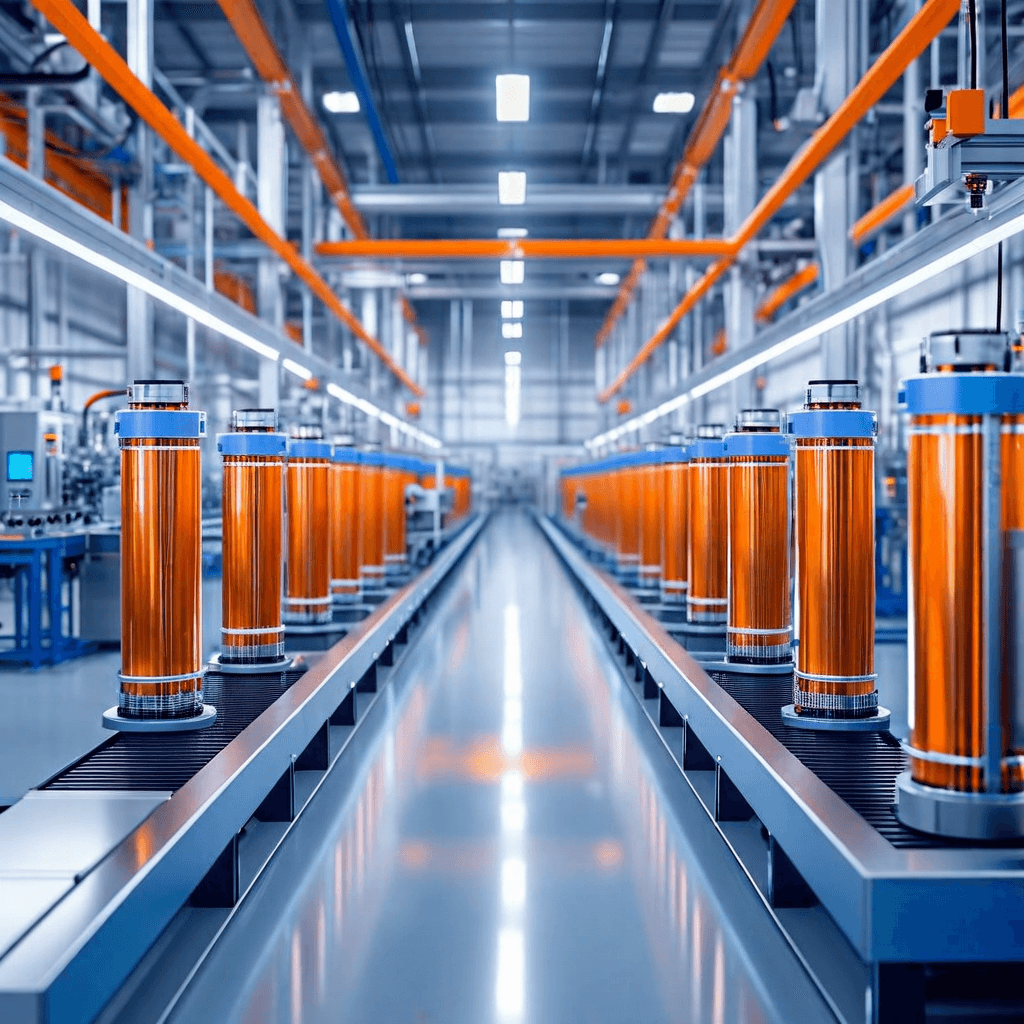
Amara Raja's ₹10,000 Crore Battery Gamble: The Race Against China and Domestic Rivals

Battery stocks surge 19% amid IT sector decline

Amara Raja Targets North America for Export Surge Amid Tariff Hurdles

Mahindra Reports 25% Growth In Auto Sales To 86,090 Units In December 2025, Tractor Sales Surge 39%
Company insights, generated from the most recent coverage.
Amara Raja's management says the strict technical qualification frameworks needed to guarantee long-term BESS asset safety and performance are 'still not in place'. As a domestic cell maker betting on 10 GWh of giga capacity, it wants eligibility norms that screen on capability rather than lowest tariff.
BESS cell is LFP in 314 Ah format, containerised systems priced at USD 100-120 with demand visibility from large Indian EPC players; initial capex of just ₹250-300 Cr for the 10 GWh facility.
Consolidated margins slipped ~50 bps to ~9.6% purely on new-energy costs incurred ahead of Giga 1 and BESS — margin dilution is front-loaded, revenue comes later.