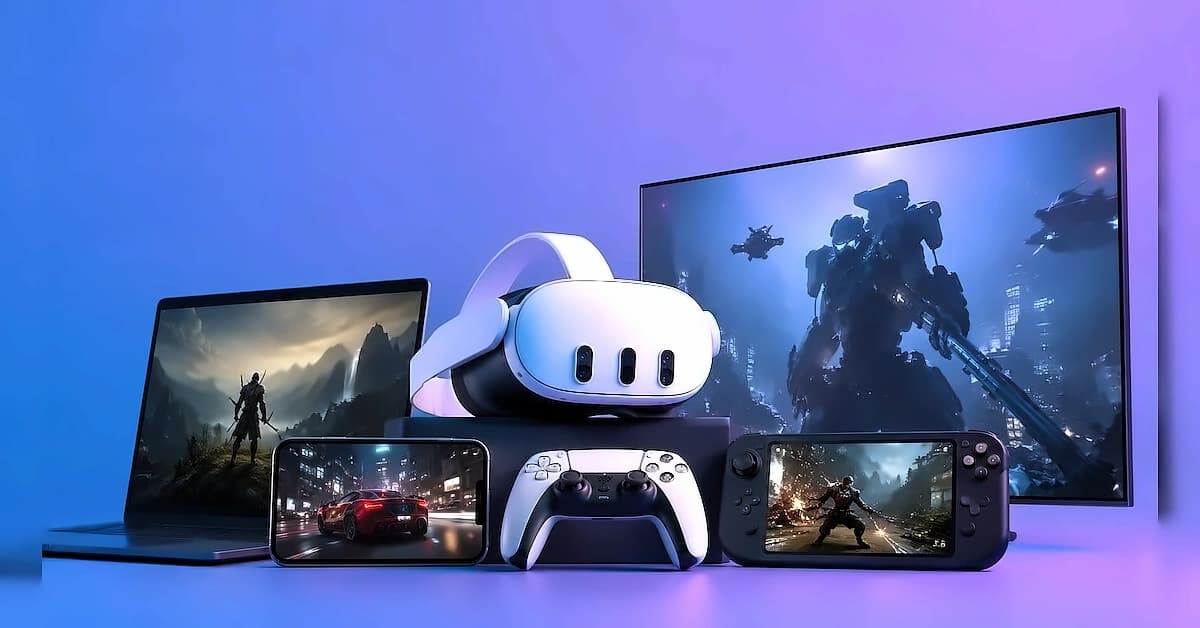
Microsoft has announced a significant restructuring affecting 4,800 jobs, representing 2.1% of its global workforce, with the Xbox division bearing the brunt of the cuts. According to reports from Associated Press, the layoffs include 1,600 Xbox workers with additional cuts planned for the remainder of the fiscal year. Xbox CEO Asha Sharma acknowledged in a public memo that the business is 'not healthy' and operating at margins 3-10x lower than comparable platform and publishing businesses. Sharma cited a 'severe hardware crisis' as costs soar for console components, forcing the company to restructure its gaming operations amid heightened competition with Sony's PlayStation and Nintendo's Switch.
Beyond the layoffs, Microsoft is implementing a comprehensive restructuring that includes spinning off four video game development studios previously acquired by the company. As reported by Associated Press, Sharma noted that while Microsoft's gaming acquisitions including Activision Blizzard and other studios have created meaningful value, they did not grow at the pace expected. The company's strategy to offer a Netflix-like streaming subscription service and broaden its game development portfolio has not been sufficient to compete effectively in the current market conditions. This represents a significant shift from Microsoft's previous acquisition-driven approach that included major deals worth nearly $69 billion.
The gaming industry faces mounting economic challenges as AAA game development budgets have ballooned while development cycles stretch beyond traditional two to three-year timelines, according to Business Standard. Modern gaming has become significantly more expensive than a decade ago, with teams often consisting of hundreds of developers spread across multiple countries and marketing budgets potentially rivaling Hollywood productions. Unlike previous console generations, gaming companies now compete against mobile gaming, social media, streaming platforms and countless other forms of digital entertainment. This competitive landscape has forced publishers to ask whether the traditional console model remains viable as costs continue to rise while hardware growth becomes increasingly difficult to achieve.
While Microsoft and Sony rethink distribution models, Nintendo has spent years expanding its intellectual property beyond dedicated gaming hardware, as reported by Business Standard. According to comments from Nintendo's recent investor Q&A reported by ScreenRant, executive Shigeru Miyamoto noted that the company realized there was a limit to the number of people its consoles could reach, but not to the number of people its characters could reach through films, mobile devices and other media. The success of The Super Mario Bros. Movie demonstrated that Nintendo's biggest franchises can thrive well beyond traditional gaming platforms, with a live-action Legend of Zelda film also reportedly in development. This approach shows how gaming companies are building businesses that extend beyond console hardware, focusing on audience reach and intellectual property rather than exclusive hardware sales.
The convergence of these developments suggests that consoles are no longer the center of gaming business in the way they once were, according to Business Standard analysis. Success in gaming is increasingly measured through audience reach, subscription revenue, ecosystem engagement and the strength of intellectual property rather than hardware sales. While cloud gaming services like Xbox Cloud Gaming and PlayStation cloud-based gaming technologies point toward a future where access matters more than ownership, high-performance gaming hardware still offers advantages that cloud services cannot consistently replicate. The industry's biggest companies are building businesses that extend beyond the console, with the next era of gaming being increasingly shaped by everything that exists beyond the hardware itself, whether on PlayStation, Xbox, or Nintendo systems.