Five major technology companies are competing for a significant government contract to build India's new Customs Integrated System (CIS). According to reports from Business Standard, L&T Technology Services (LTTS), Wipro, IBM India, Tata Consultancy Services (TCS), and Infosys have been shortlisted based on their expressions of interest and are expected to receive a request for proposal (RFP) in approximately 15 days. A government official indicated that the evaluation process for technical and financial bids may take three to four months to finalize the successful bidder.
The proposed CIS will fundamentally transform India's customs clearance processes by integrating existing systems into a unified platform. As reported by Business Standard, the new system will merge Indian Customs Electronic Gateway (ICEGATE), the Risk Management System (RMS), and the Indian Customs Electronic Data Interchange System (ICES) into a single interface. According to government officials, these current systems operate on different software platforms and do not seamlessly communicate with one another, leading to duplication of processes, manual intervention, and delays in cargo clearance.
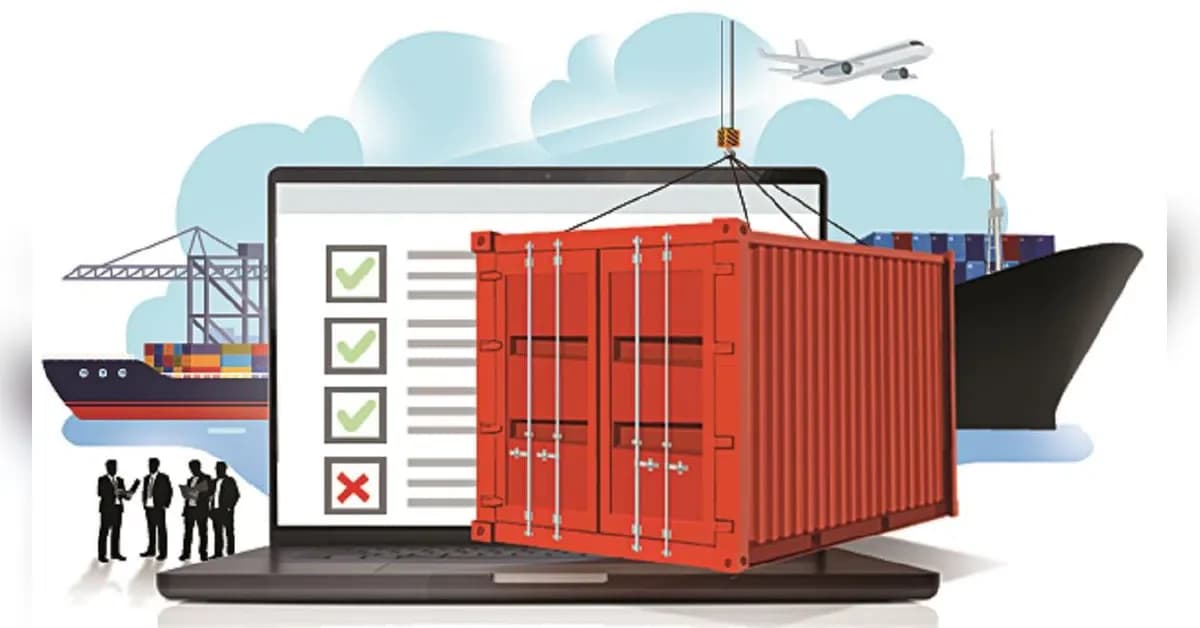
The CIS will leverage cutting-edge artificial intelligence and automation technologies to revolutionize customs operations. According to Finance Minister Nirmala Sitharaman's 2026-27 Budget announcement, the government plans to scale up the use of advanced non-intrusive imaging and artificial intelligence technologies to scan every container across all major ports. Former CBIC chairman Vivek Johri explained that the system will enable seamless interface between Customs authorities and all ports and border management agencies, with AI and machine learning capabilities to prompt accurate data entry, auto-populate documents, and exchange data with other agencies on real-time basis.
The CIS is designed to deliver substantial improvements in trade efficiency and cost reduction. As reported by Business Standard, the platform aims to make export-import clearances faster and more efficient while reducing trade costs. Industry experts emphasize that the system will provide better filing experience, savings in time and cost for users, and availability of high-quality data for sharper risk profiling. However, former CBIC chairman Vivek Johri highlighted that delivering the project in a time-bound manner and ensuring seamless migration of users and data will be major challenges in the implementation process.
The proposed CIS represents a significant milestone in India's customs modernization journey and reflects the government's broader push towards digitalization. According to Rajat Mohan from AMRG Global, the new platform has the potential to transform cargo clearance by leveraging AI, data analytics and risk-based assessment, allowing customs authorities to focus human intervention only where necessary. However, he stressed that seamless integration of legacy systems, accurate migration of historical data, and ensuring uninterrupted customs operations during transition will be critical for successful implementation. The project timeline aligns with the government's commitment to roll out CIS over the next two years as a scalable platform for all customs processes.