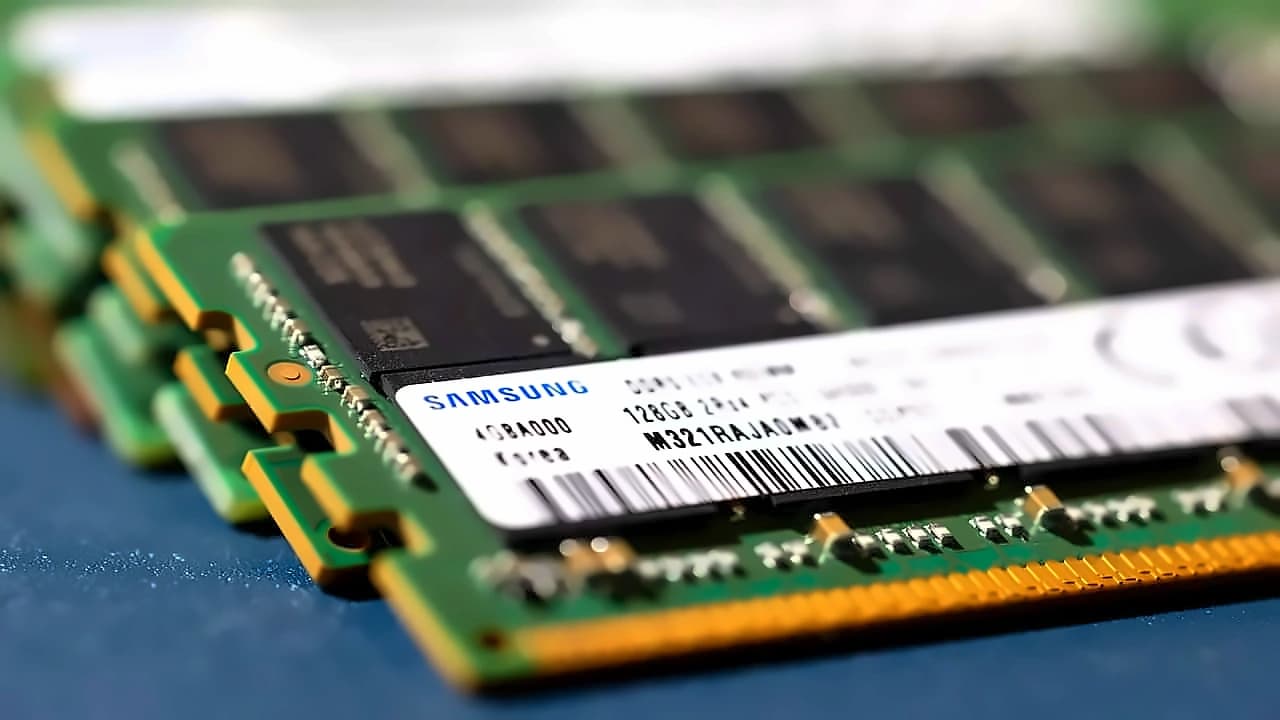
India has emerged as a very important partner for the European Union in the semiconductor sector, according to European Commission Executive Vice-President Henna Virkkunen. Speaking at the third India-EU Trade and Technology Council meeting in Brussels, Virkkunen highlighted that India's vast pool of highly skilled talent makes it crucial for semiconductor research and development. The EU's focus comes as the bloc seeks to strengthen its chip supply chains and build its own capacity while working with trusted partners. Virkkunen emphasized that the semiconductor industry's global nature with long and vulnerable supply chains makes it important to diversify sources and reduce dependence on any single supplier.
Union Minister Ashwini Vaishnaw highlighted a significant opportunity for India's IT sector during an interaction with industry representatives. According to reports from Business Standard, Vaishnaw stated that the global semiconductor industry faces a talent shortage of around 1 million people, creating a substantial opportunity for India's IT industry to capitalise on this gap. The Minister emphasised that India's IT sector, with its expertise in designing and developing electronics and IT solutions, is well-positioned to address this global talent deficit. As Vaishnaw noted, "People say the talent shortage in the semiconductor industry is of the order of one million globally," and the opportunity can be seized by the IT industry in a big way.
As reported by Business Standard, Vaishnaw highlighted the significant progress made in India's semiconductor manufacturing sector under Prime Minister Narendra Modi's focused push. Twelve semiconductor plants are now under different stages of development, with three plants already commenced manufacturing chips. These manufactured chips are being successfully exported to Japan, the US and Europe, demonstrating the sector's growing global competitiveness. The Minister emphasised that this progress is directly attributed to the Prime Minister's focused push on the semiconductor industry.
The Union Cabinet has approved the Semicon 2.0 programme with an outlay of about USD 13.25 billion, as announced by Minister of State for Electronics and IT Jitin Prasada. The programme will focus on chip design, semiconductor equipment and materials, research and development, chemicals and gases essential for chip manufacturing, and setting up more fabrication units. Prasada emphasized that more manufacturing will come to India, further strengthening our ATMP and OSAT packaging networks. The programme will also prioritize R&D in semiconductors and talent development under the India Semiconductor Mission 2.0.
A joint statement issued after the TTC meeting confirmed that India and the EU agreed to deepen cooperation in semiconductors, high-performance computing, quantum technologies, artificial intelligence (AI) and 6G. Virkkunen called the AI Impact Summit in New Delhi a success and congratulated India for hosting the event, describing it as the first time discussions focused on ensuring that everyone has access to these technologies. The EU shares India's vision of making AI technologies accessible while ensuring they are trustworthy and benefit economies, societies and citizens in a sustainable manner.