The European Union has officially endorsed India as a key semiconductor partner, with European Commission Executive Vice-President for Tech Sovereignty, Security and Democracy Henna Virkkunen declaring India's importance for strengthening global chip supply chains. Speaking at the third India-EU Trade and Technology Council (TTC) meeting in Brussels, Virkkunen highlighted that India's vast pool of highly skilled talent makes it crucial for semiconductor research and development. The EU's Chips 2.0 programme, adopted in June, focuses on improving supply chain resilience and building trusted partnerships with countries like India. As per Virkkunen, the semiconductor industry's global nature with long and vulnerable supply chains makes diversification essential to reduce dependence on single suppliers.
The global semiconductor industry is experiencing a record surge in manufacturing equipment investments, creating unprecedented opportunities for India's electronics manufacturing sector. According to SEMI India, this investment cycle reflects the beginning of a new technology cycle powered by AI, advanced computing and intelligent electronics. The rapid growth in global semiconductor equipment investments aligns with India's national semiconductor mission and presents an opportunity to strengthen domestic manufacturing, develop local supply chains, foster innovation and generate high-value employment. As per Ashok Chandak, President of SEMI India, India's ongoing investments in fabs, OSAT facilities and display manufacturing, along with a growing ecosystem for semiconductor equipment, materials and components, are making the country an increasingly attractive destination for global investments. While China, Taiwan and South Korea are expected to remain the world's largest destinations for semiconductor equipment spending through 2028, regional diversification, government incentives and supply chain resilience efforts are creating fresh opportunities for emerging manufacturing hubs such as India.
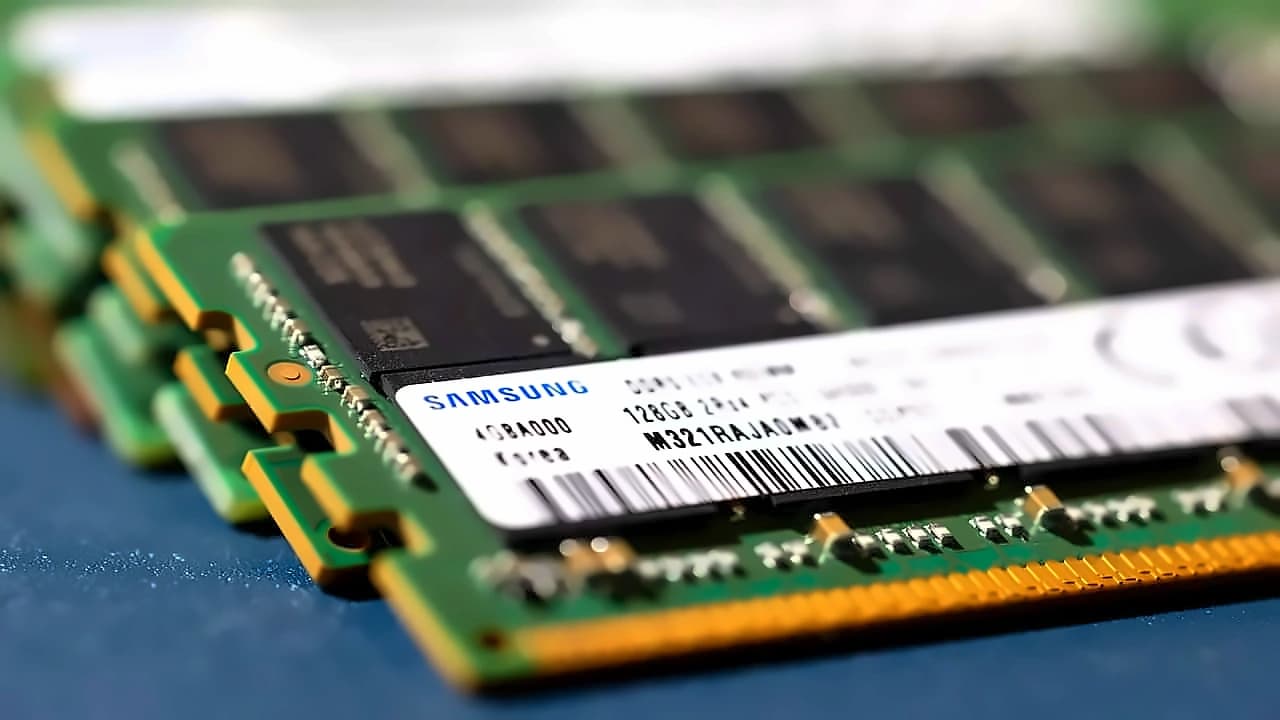
India has made substantial progress in semiconductor manufacturing with 12 semiconductor manufacturing projects approved, representing investments of over US$20 billion. These projects span fabs, ATMP/OSAT facilities, compound semiconductors and display manufacturing, as reported by SEMI India. The country's current manufacturing roadmap and design focus is well positioned to capitalise on the shift toward AI-driven, cutting-edge technologies, enabling India to become a competitive and trusted global manufacturing base while progressively moving up the technology value chain. As noted by industry experts, "Everything we ship globally should have a piece of software or intellectual property (IP) inside it." The semiconductor units being built in India are expected to start churning out chips by 2027-28, fundamentally changing India's position in the global electronics value chain.
India has launched the India Semicon 2.0 programme with an outlay of approximately ₹13,250 crore (US$13.25 billion), as announced by Minister of State for Electronics and IT Jitin Prasada. The programme will focus on chip design, semiconductor equipment and materials, research and development, chemicals and gases essential for chip manufacturing, and setting up more fabrication units. According to Prasada, "More manufacturing will come to India, further strengthening our ATMP and OSAT packaging networks. R&D in semiconductors and talent development will also be major thrust areas under the India Semiconductor Mission 2.0 (Semicon 2.0)." This significant investment commitment aligns with the EU's Chips 2.0 initiative and demonstrates India's commitment to building comprehensive semiconductor capabilities.
The India-EU partnership extends beyond semiconductors to encompass deepened cooperation in high-performance computing, quantum technologies, artificial intelligence (AI) and 6G. As per Virkkunen, the AI Impact Summit in New Delhi was described as a success, with the EU sharing India's vision of making AI technologies accessible while ensuring trustworthiness. A joint statement issued after the TTC meeting confirmed that India and the EU agreed to deepen cooperation in semiconductors, high-performance computing, quantum technologies, artificial intelligence (AI) and 6G. The partnership reflects both sides' commitment to building resilient supply chains and reducing dependence on single suppliers, with the EU seeking to work with trusted partners while India positions itself as a global manufacturing hub for cutting-edge technologies.