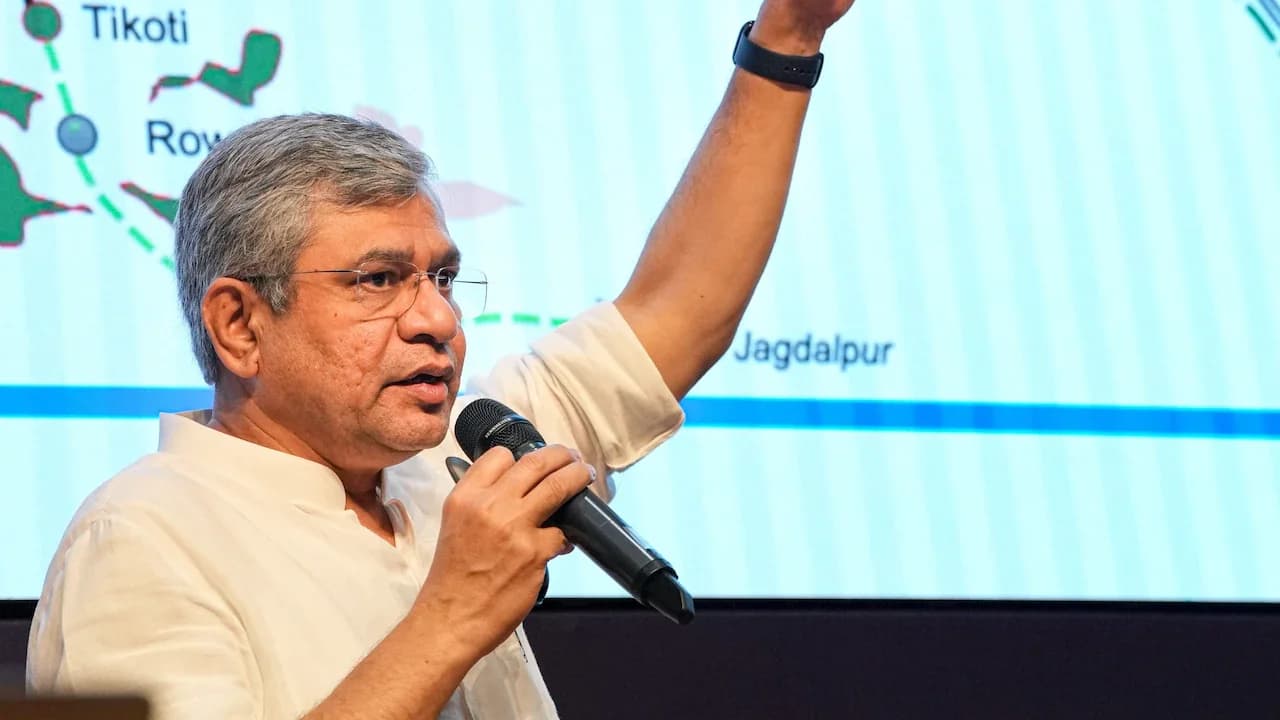
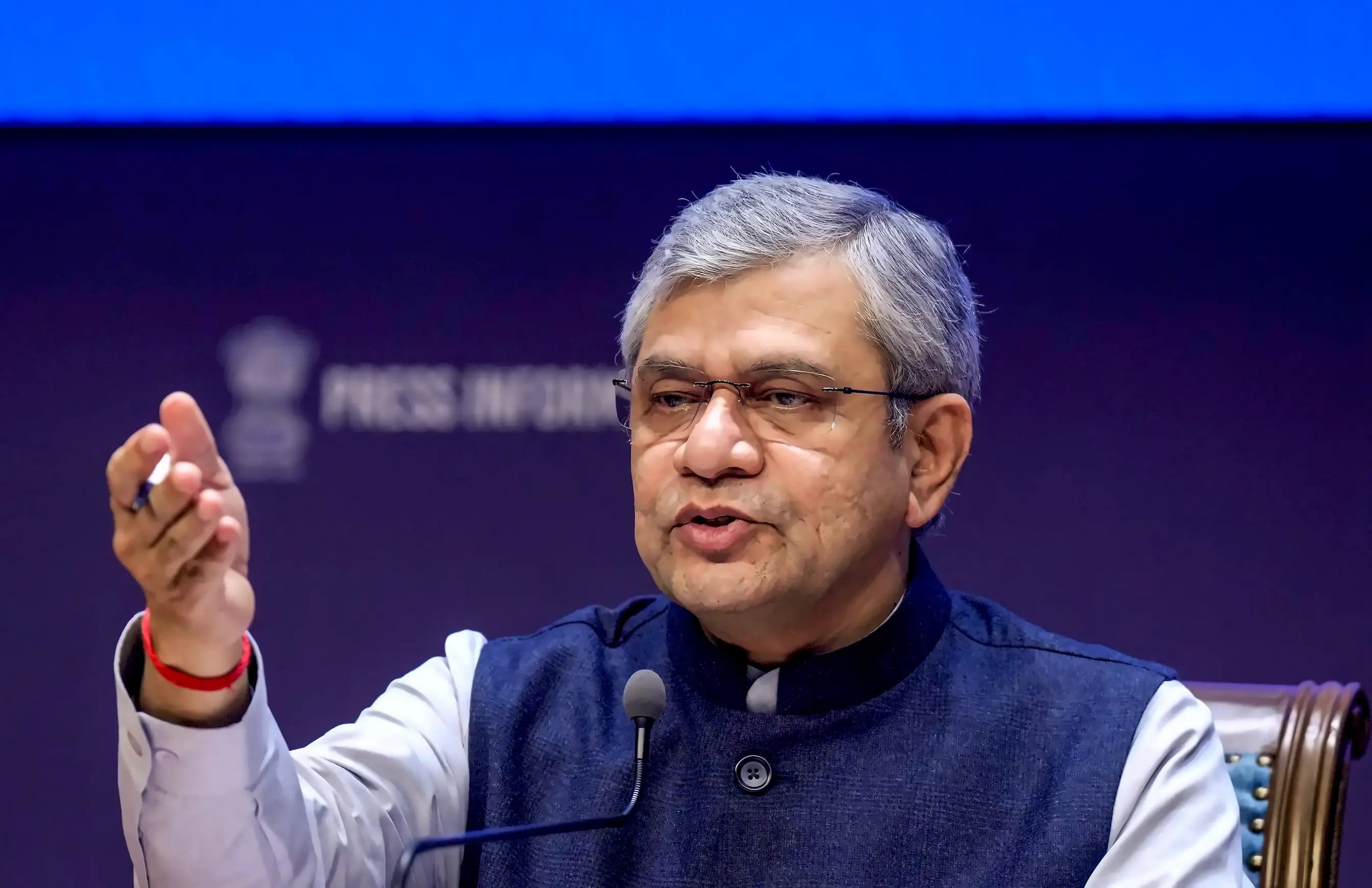
Union Minister Ashwini Vaishnaw has confirmed that India may require a dedicated artificial intelligence law, stating that the current information technology framework is insufficient for modern AI challenges. In an interview with PTI, Vaishnaw emphasized that the IT Act was enacted in 2000 - long before the rapid emergence of artificial intelligence - making it inadequate for current AI landscape requirements. Asked whether India will look at a dedicated AI law or continue to address it through amendments to the IT Act, Vaishnaw acknowledged the complexity of the issue, stating "It's a very complex topic. Certain things have been done under the IT Act framework, but I do think that there is a requirement for a new law because the world of AI is very different from the world when the IT Act was enacted in 2000."
The Minister revealed that discussions are currently underway with the industry regarding AI legal frameworks. As reported by PTI, Vaishnaw stated that the government's approach will focus on balancing innovation and regulation to ensure continued technological advancement while maintaining citizen safety. The minister emphasized that this balanced approach will be crucial for India's AI development strategy, with Vaishnaw adding "We are discussing with the industry...as always, our objective and approach will be to balance innovation and regulation in a manner that innovation keeps happening, while our citizens remain safe."
The minister acknowledged that India faces complex decisions regarding AI legal frameworks amid global regulatory debates. Vaishnaw noted that while certain provisions have been implemented under the IT Act framework, the current legal structure may not be sufficient for the evolving AI landscape. The government's engagement with industry stakeholders reflects the complexity of developing comprehensive AI regulations in the current technological environment, with policymakers globally grappling with challenges posed by generative AI, including deepfakes, misinformation, and online harms.
India has already implemented stricter IT rules to address AI-related challenges, as reported by PTI. In February this year, the government brought in stricter obligations for online platforms on handling AI-generated and synthetic content, including deepfakes. The government notified amendments to the Information Technology (Intermediary Guidelines and Digital Media Ethics Code) Rules, 2021, formally defining "audio, visual or audio-visual information" and "synthetically-generated information" covering AI-created content that appears real or authentic. The amendments exclude routine editing, accessibility improvements, and good-faith educational or design work from this definition. Additionally, the Centre has mooted stricter disclosure norms for AI-generated content, proposing tweaks to IT rules that would require clear and continuous labels identifying synthetically generated information to be visible throughout the entire duration of visual display.