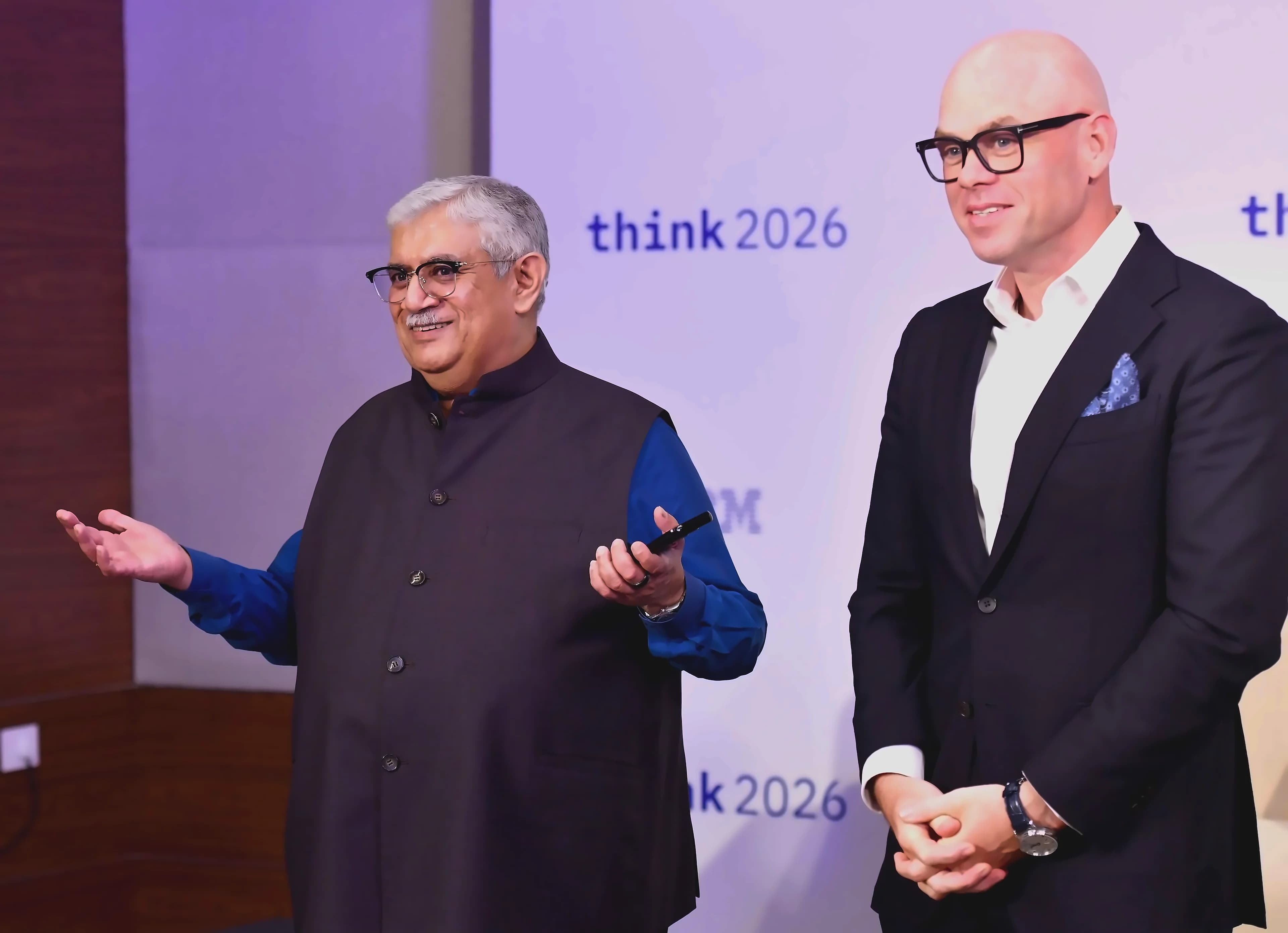
Check Point Software CEO Nadav Zafrir emphasized India's critical role in the company's global strategy during his recent visit to New Delhi. According to reports from Business Standard, India ranks among Check Point's top five markets globally and serves as the company's biggest R&D hub outside of Israel. The cybersecurity giant operates five offices in India and has invested over $100 million in the country over recent years, with hundreds of employees and double-digit year-over-year growth in investments continuing. Zafrir highlighted that India's unique combination of talent, strategic importance, and entrepreneurial ecosystem makes it a key focus for the company's expansion plans.
Addressing the challenge of AI regulation, Zafrir advocated for a descriptive rather than prescriptive approach. As reported by Business Standard, he stated that traditional regulatory methods based on trial and error may not be suitable for the rapidly evolving AI landscape. The CEO emphasized that collaborative regulation would be more effective, focusing on outcomes that are unacceptable rather than specific technical requirements. He noted that Indian leaders' tech-savvy understanding of the new regulatory environment positions the country well for navigating this complex landscape.
According to Business Standard reports, Zafrir observed a significant shift in enterprise cybersecurity priorities, noting that security has evolved from an engineering problem to a board and CEO concern. He highlighted that most CEOs now understand that AI transformation requires security integration from the outset. However, he cautioned about competing priorities, stating that competing needs exist because AI models don't come cheap, creating a competitive environment for security investments. The CEO emphasized the need to find a Goldilocks balance between leveraging AI technologies and mitigating associated risks across personal, corporate, and national levels.

As reported by Business Standard, Zafrir acknowledged the competitive landscape in India, noting that most incumbent competitors are US-based. He positioned Check Point's approach as collaboration-focused rather than competitive, emphasizing the company's heritage capabilities in proactive prevention and novel AI-enabled capabilities. The CEO highlighted the thriving entrepreneurship culture and unique talent from India's top universities, expressing confidence that Check Point can win through automated prevention technologies and open platform collaboration rather than traditional competitive approaches.
According to Business Standard reports, Zafrir predicted significant changes in the security paradigm, stating that manual detection and response will become less relevant as automated systems take over. He emphasized that automatic remediation will become more prevalent, and the industry will need to play nicer together on open platforms. The CEO noted that geopolitical turbulence has made cybersecurity a more potent weapon, with the barrier to entry lowering due to AI and the attack surface growing. Recent developments highlight the urgent need for effective AI governance, with up to 40% of enterprises using agentic AI facing challenges with inadequate guardrails, requiring companies to adopt graded access approaches and continuous monitoring layers to prevent destructive incidents.