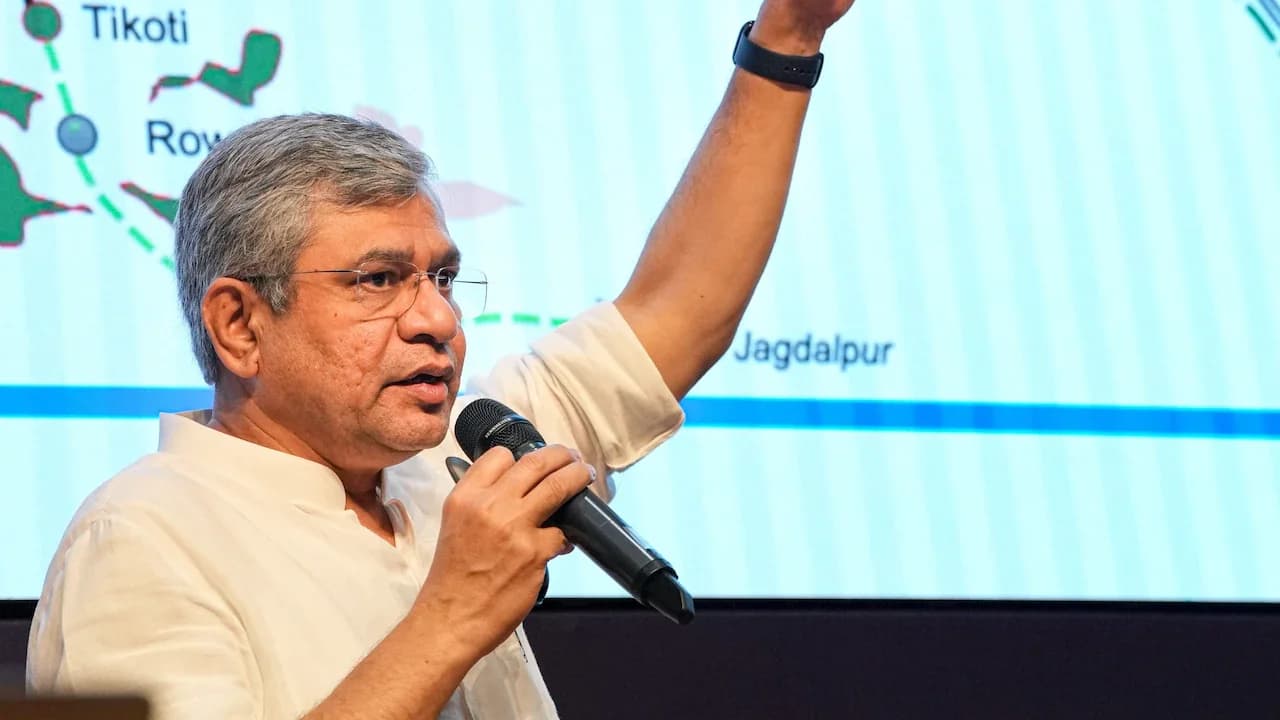
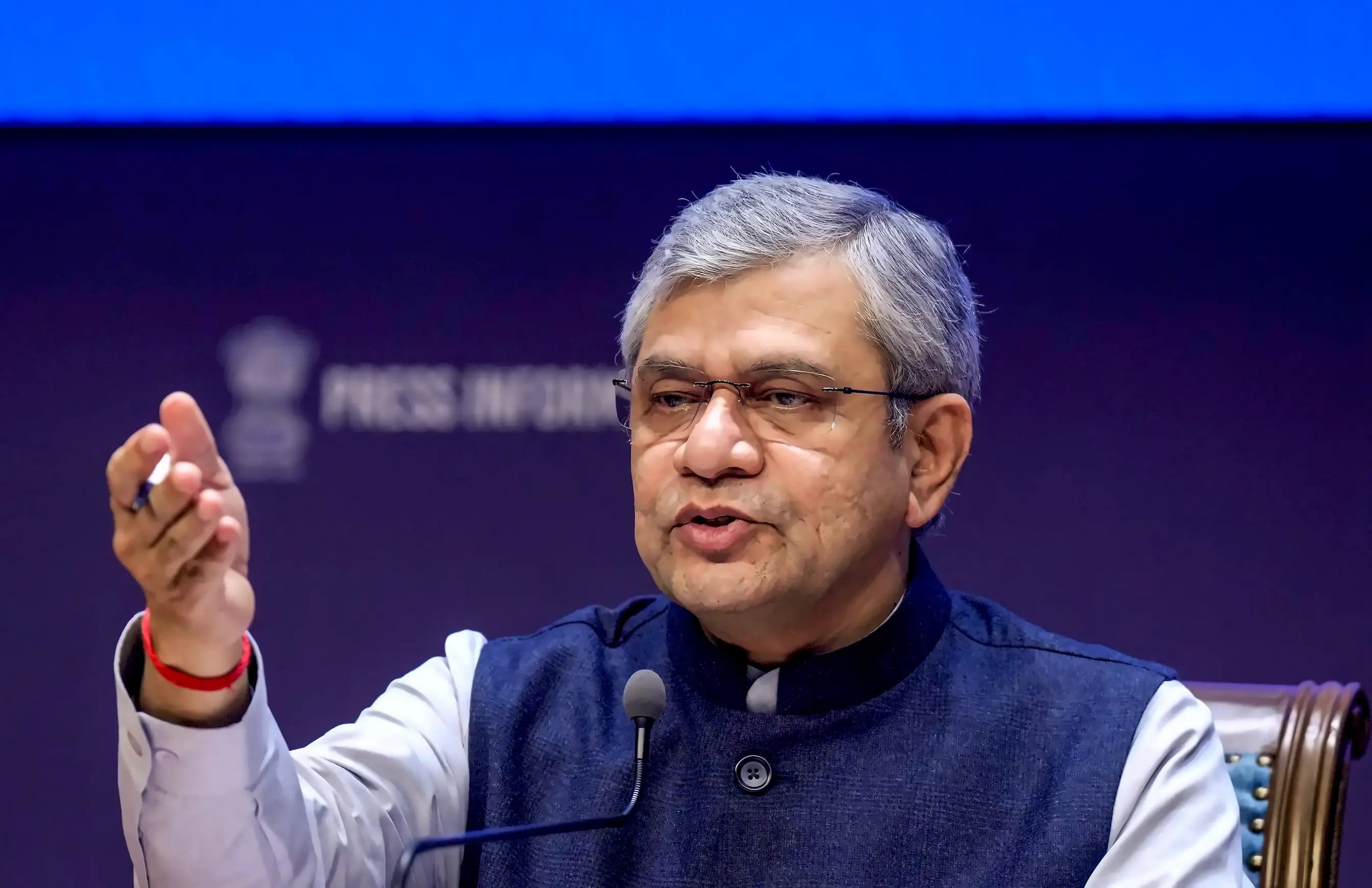
Union Minister Ashwini Vaishnaw emphasized that India has no luxury of time to build technological capabilities, speaking during a fireside chat at the 2026 Bloomberg New Economy Forum. Vaishnaw stated that 'India has no luxury of time to build technological capabilities' and stressed the urgent need to strengthen domestic capabilities while integrating deeply into global value chains. The minister highlighted that India was setting short-term targets for three to five years, medium-term targets for five to 15 years, and long-term goals spanning 20 to 25 years, with 'Things change, politics change, geopolitics play a big role, so we have to constantly calibrate our approach, and we in India are thinking at least 20 years ahead'. According to the latest reports, Vaishnaw noted that India aims to become a trusted partner across global technology supply chains rather than pursue complete self-sufficiency, recognizing that technology will remain a highly globalised field with global value chains being multi-border, multi-country, and multi-geography. The priority focus is on building domestic capabilities in strategically important areas while remaining integrated with global value chains.
Vaishnaw outlined India's comprehensive approach to building manufacturing capabilities across the entire value chain. He said India needed to identify products and segments in which it must develop domestic manufacturing, design and complete product development capabilities, while determining areas where dependence on other countries would be appropriate. According to the latest reports, Vaishnaw noted that India was systematically building capabilities across the value chain, progressing from finished products to modules, components, materials and capital equipment. The same strategy was being pursued in semiconductors, railway systems and defence, underscoring the need to build an integrated industrial base rather than focus solely on assembling finished products. The minister emphasized that manufacturing initiatives would not deliver results without a supporting ecosystem, highlighting the complexity of establishing comprehensive manufacturing capabilities. Without ecosystem, no manufacturing effort will ever pay off, as cited by Vaishnaw, citing the mobile phone industry as an example of India's gradual move from assembly to modules and components. India now manufactures several components domestically and has begun exporting some to other countries, demonstrating progress in building domestic manufacturing capabilities.
Vaishnaw outlined India's ambitious plans to become deeply embedded in the global semiconductor value chain, emphasizing the critical role of trust in this sector. Speaking during a fireside chat at the 2026 Bloomberg New Economy Forum, he said trust would be a key factor in the semiconductor value chain and stressed the importance of developing a strong manufacturing ecosystem. The minister stated that India wants to become deeply embedded in the global chip value chain and is working towards making its economy more resilient to global turbulence and crises. According to the latest reports, Vaishnaw noted that India has an advantage in capabilities but needs to remain competitive on costs, highlighting the need to ramp up research and development spending to strengthen the country's technological capabilities. He specifically highlighted the 28-nanometre to 90-nanometre range, the legacy nodes, where the production of a million-dollar machine can stop because of a one-dollar chip, emphasizing the need to position India as a trusted partner in design, manufacturing and the complete evaluation of the final product. India's second phase of the semiconductor programme places greater emphasis on building an ecosystem encompassing chemicals, gases, substrate materials and other inputs needed to manufacture chips, with Vaishnaw adding that building such capabilities required time and sustained effort.
The minister highlighted one of the most critical challenges in building an end-to-end manufacturing supply chain: the shortage of materials required to manufacture products across sectors. According to Business Standard, Vaishnaw emphasized that India would need to continuously evaluate its partners to address these material constraints. The latest reports flag dependencies on materials as a major vulnerability, emphasizing the need to monitor economic risks arising from the policies of other countries. Vaishnaw noted that India's dependence on critical materials remains one of the biggest vulnerabilities and stressed the need to develop the full semiconductor ecosystem, including materials, chemicals, gases and substrate materials, alongside chip design and manufacturing. This challenge underscores the complexity of establishing comprehensive manufacturing capabilities and the importance of strategic partnerships in overcoming supply chain bottlenecks. The minister highlighted that India is now manufacturing many components needed domestically and has begun exporting some to other countries, demonstrating progress in building domestic manufacturing capabilities. Without ecosystem, no manufacturing effort will ever pay off, as cited by Vaishnaw, citing the mobile phone industry as an example of India's gradual move from assembly to modules and components.
Vaishnaw predicted that the combination of AI disruptions and debt unwinding could make the coming years extremely challenging. According to Business Standard reports, he warned that AI would bring many disruptions in employment sector and services industries by the time debt levels unravel. The minister emphasized that the biggest issue is the turbulence coming in the next few years from these converging factors, highlighting the urgent need for strategic positioning in global technology partnerships. As per the latest reports, Vaishnaw noted that AI would bring many disruptions in employment sector and services industries by the time debt levels unravel, making the need for strategic positioning even more urgent. The minister expressed concern about debt levels in advanced economies and the possibility that financial instability could compound disruptions caused by emerging technologies. He said 'It's going to bring in a much bigger turbulence because by that time AI would have brought in many other disruptions in the employment sector, in the way people, especially the services industries, the way they work, and the debt levels getting unravelled. All those things are going to be extremely difficult times ahead'. Against this backdrop, Vaishnaw said India was seeking to strengthen its resilience across the financial, economic and technology sectors. He pointed to the country's public debt-to-GDP ratio, which had declined from 61 per cent to 55 per cent over the past five years, demonstrating the government's commitment to fiscal discipline. The minister emphasized that when looking at tech sovereignty, India is thinking more about strategic dependencies and resilience, focusing on which are the products and segments in which we must have manufacturing, design and complete product development capabilities within our country while identifying which are the parts of the value chain where we can depend on other countries.
Cisco Chairman and CEO Chuck Robbins backed India's approach, highlighting the country's scale, engineering capabilities, and technological expertise. According to Business Standard, Robbins noted that India has been an incredible trusted partner for lots of American companies and creates an environment where global companies are comfortable investing. Robbins emphasized that 'I do not think most countries are under the pretence that they could do it all when it comes to AI' and that it is very difficult because by the time you build a piece of technology that comes from our portfolio or someone else's portfolio, it is probably obsolete. The latest reports confirm that companies are comfortable with India's legal track record, adding that the country is moving methodically in areas such as semiconductors and defence systems. Robbins said India's scale and its emphasis on combining domestic capabilities with global partnerships offered a practical model for pursuing technology sovereignty. The minister highlighted India's development of an indigenous end-to-end 4G telecom technology stack as an example of collaboration between the government and private industry, noting that the technology was developed in three-and-a-half years and 'is deployed on more than 100,000 towers'. This project, he suggested, demonstrated India's ability to develop complex technological systems domestically when research, industry participation and government support were aligned.