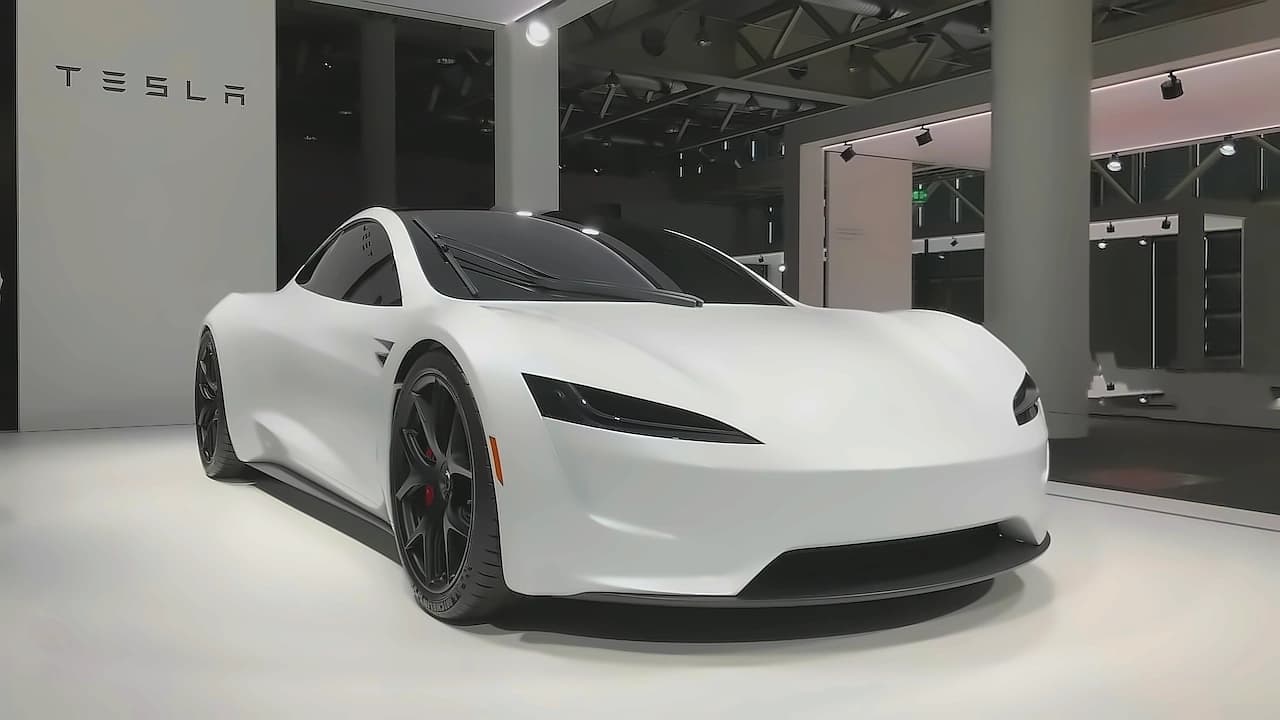
Tesla Inc. has invited select customers to place orders for the Cybercab in a significant step toward making its driverless vehicle available to consumers. According to reports from NDTV, the two-seat vehicle, which lacks a steering wheel and foot pedals, initially launched as part of Tesla's robotaxi service in Austin. The company announced this limited release availability on Friday through its X platform, marking a new phase in Tesla's autonomous vehicle strategy. As reported by Tesla, "Select customers are now being invited to purchase Cybercab for personal use," with initial availability limited to hand-picked buyers. The company shared screenshots of the order page on its Robotaxi X account, with deliveries beginning as soon as next month.
The Cybercab is available for $29,990, making it Tesla's cheapest vehicle ever and undercutting the Model 3 by $7,000. According to Tesla, deliveries will begin as soon as next month, with the company sharing screenshots of the order page on its Robotaxi X account. Customers will also need to purchase a $299-per-month autonomous driving subscription to operate the vehicle, with the first month included for no charge. This totals to approximately $3,600 per year before insurance or maintenance costs, representing a significant ongoing expense for ownership. The model will be sold to hand-picked buyers initially, with no clear timeline for general public availability. As reported by Tesla, customers must put down a $1,000 non-refundable deposit to order the vehicle.
According to Ashok Elluswamy, Tesla's head of artificial intelligence, as reported by NDTV, the Cybercab will work unsupervised in all the same locations as Tesla's robotaxi fleet. The vehicle's autonomous capabilities will be identical to the existing robotaxi service, allowing it to operate independently across supported service areas. As reported by Tesla, the personally-owned Cybercab will be "fully autonomous" and owners will be able to monitor their vehicles and manage rides via the Tesla app. However, the Cybercab will only operate within Tesla's Robotaxi service areas, which include eight cities: Austin, Dallas, Houston, Fort Worth, and San Antonio in Texas, and Miami, Orlando, and Tampa in Florida. The company has not specified exact geographic coverage, and the vehicle cannot operate anywhere else in the country, making it effectively a $30,000 sculpture in other locations.
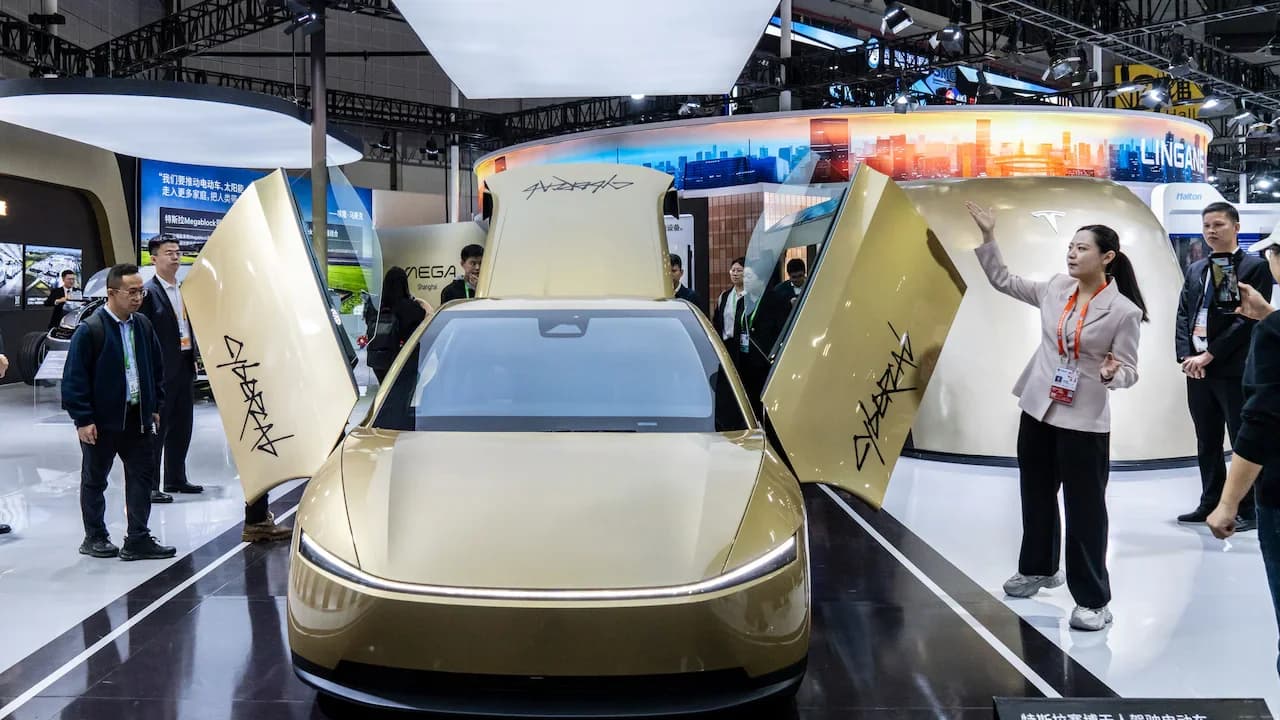
The Cybercab's unconventional design has attracted attention from the National Highway Traffic Safety Administration, which questions how Tesla determined the vehicle complies with motor vehicle safety standards. The Tesla lacks a steering wheel, pedals, and side-view mirrors, all typically required for street-legal vehicles. While the federal government allows companies to apply for exemptions to roll out noncompliant vehicles, those deployments are capped at 2,500 vehicles per year. NHTSA has said it's working to streamline autonomous-vehicle rules, which could work in Tesla's favor, though the agency has opened a probe into Tesla's self-certification process. The regulatory framework remains uncertain, particularly given the vehicle's departure from traditional automotive standards.
The Cybercab represents a potential milestone as the first Level 4 autonomous vehicle people can actually own, putting autonomous cars in the hands of regular people after years of missed deadlines by Elon Musk. However, the announcement raises questions about expansion beyond the handful of cities where Tesla's robotaxi service currently operates. There was no mention of whether customers would be able to add their cabs to the Robotaxi fleet and earn passive income, another longtime Musk promise. Tesla's biggest boosters online have cheered the news, but it's sure to tick off Tesla owners who have paid for Full Self-Driving and have been waiting for their Model 3s and Model Ys to become autonomous, with Musk recently stating that will happen in the second quarter of next year. The Cybercab's rollout represents a significant test for Tesla's autonomous vehicle ambitions, following years of missed self-imposed deadlines for self-driving capabilities.