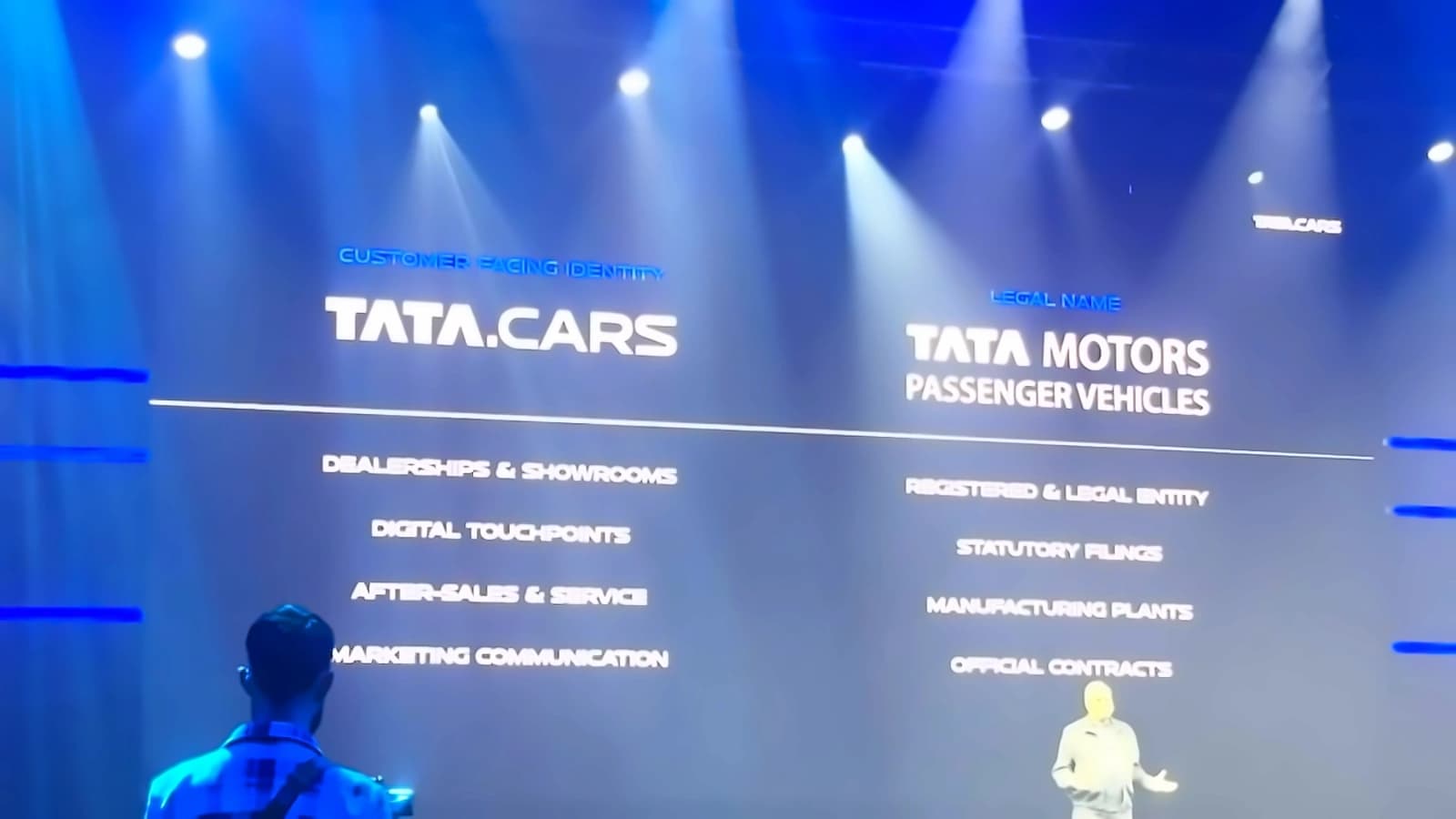
Tesla has officially renamed Full Self-Driving (Supervised) to 'Tesla Assisted Driving' across European markets, with the new terminology now appearing on Tesla's European websites. According to reports from Reuters, the company has not made the same change in the US, where the feature remains listed as 'Full Self-Driving (Supervised)'. The revised terminology is now appearing on Tesla's European websites as the company works to expand the technology's availability across the region. The German website no longer mentions "Full Self-Driving," with the old address now redirecting to a new "Tesla Assisted Driving" page. Tesla's FSD page for Slovakia now redirects to a 'Tesla Assisted Driving' page, as do pages in other European countries such as Germany, Spain and the Netherlands.
The move follows mounting scrutiny over whether Tesla's branding overstates what the software can do. Germany's Federal Ministry of Transport called the FSD name misleading because the system doesn't take over the full driving task, as reported by Reuters. European regulators have argued that the original name could lead motorists to believe their vehicles can drive independently, even though drivers must continue supervising the system and remain legally responsible. The change comes as CEO Elon Musk seeks regulatory approval for the technology, which he sees as a key driver of future growth for the electric carmaker. The rebrand comes after Germany said on Tuesday Tesla had offered to switch to the new name, with the company mounting a campaign to win approval for FSD in Europe, including encouraging owners and supporters to lobby national regulators for faster approvals.
Germany has agreed that the system can go up to 10% over the speed limit, backing this position in the EU approval process. However, Tesla will need to change FSD to make that happen as it often goes way beyond 10% of the limit. In return, Bilger says he wants Tesla drivers to be able to use the system across the EU as quickly as possible. The EU vote has been delayed from October until at least December, with bloc-wide approval requiring 15 of 27 member states representing 65% of the EU population. Tesla's page lists eight EU countries where the system is approved: the Netherlands, Lithuania, Estonia, Denmark, Belgium, Slovenia, Czechia and Croatia.
Eight European Union countries currently permit the system, with Slovakia expected to become the ninth. An EU-wide vote on the technology has been delayed from October until at least December, while France carries out further testing. As reported by Reuters, the approval process remains a hurdle for Tesla as it attempts to expand the software's reach across Europe. The renaming does not settle questions about what the technology can actually do or how much driver supervision it requires. To fully win over Germany, Tesla will likely need to cap or remove Speed Offset in its European FSD build, as the feature currently exceeds limits by up to 50% in some conditions.