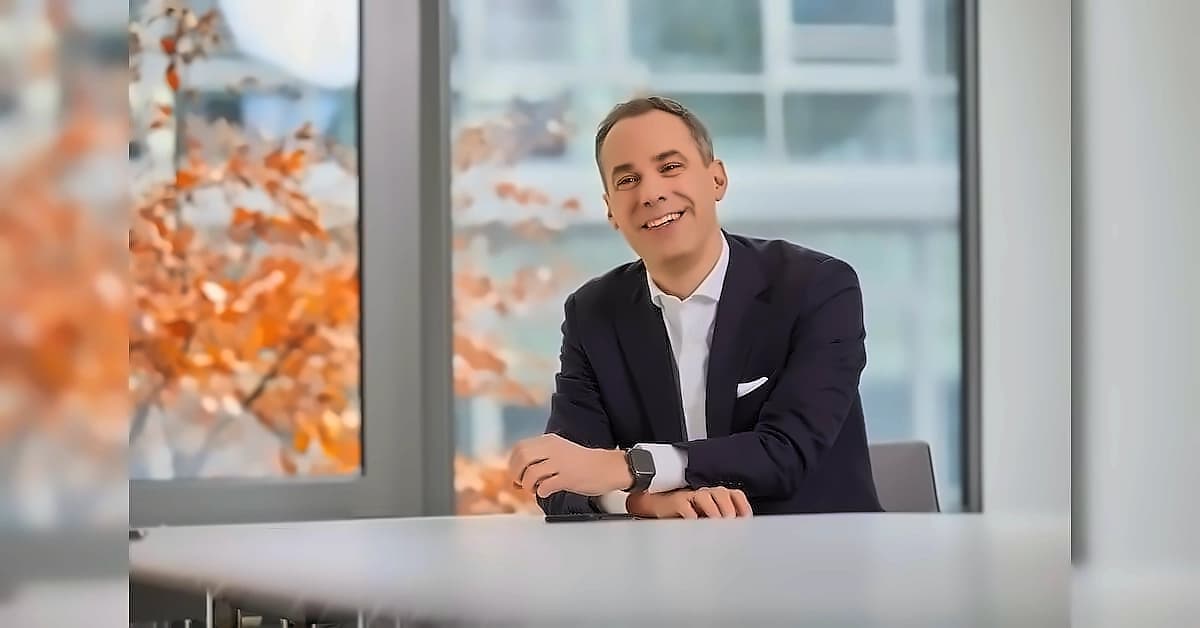
According to reports from Business Standard, Cedrik Neike, managing board member and CEO Digital Industries at Siemens, expressed continued confidence in India's manufacturing potential. Speaking in an in-person interview at Siemens' Mumbai office, Neike stated that India has overachieved overall over the last five years and remains one of the company's top four markets globally. The CEO noted that India is the fastest-growing of all markets for Siemens, with the company seeing positive performance across the last two quarters and five-year period.
As reported by Business Standard, Neike highlighted that customers must become more flexible than in the past to adapt supply chains and manufacturing locations. The company sees a shift towards electronics, semiconductors, advanced machine tools, energy, new energy and defence as global growth verticals. Siemens recognizes that every third machine in the world has a Siemens controller, positioning the company to observe firsthand the global shift toward localized production and increased automation adoption.
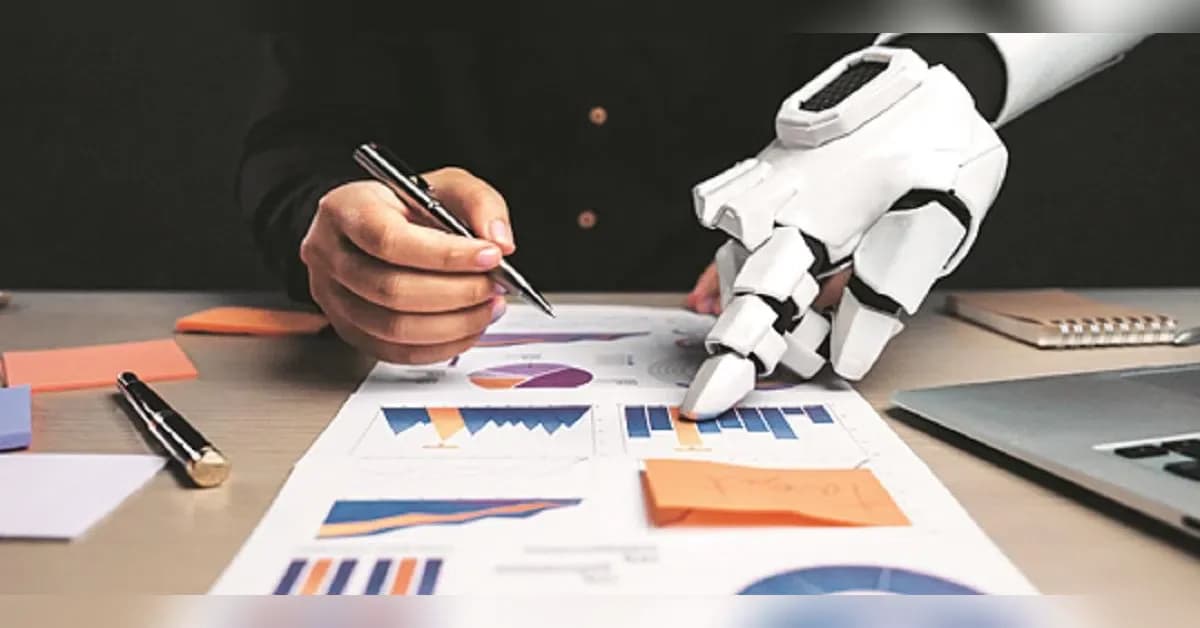
According to Business Standard reports, Neike emphasized that India has a big advantage with its young workforce while developed economies face aging populations. The company projects 7.9 million to 8 million manufacturing jobs will not be filled by 2030 globally, creating significant skills shortages. Siemens estimates that 30 to 40% of everything that can be automated worldwide is automated today, with humanoids and advanced robotics expected to push adoption to 70 to 80%. The CEO noted that India's 'human in the loop' approach presents a significant opportunity for the country.
As reported by Business Standard, Neike highlighted India's potential to increase manufacturing's share of value addition from around 17% to 25%. He praised India's historical ability to leapfrog with unique identity, digital finance and communication, noting that India has some of the most performant and low-cost communication networks in the world. The CEO emphasized that ignoring physical AI and robotics is not a good idea for India's manufacturing ambitions, while embracing these technologies while continuing job creation remains feasible.
According to Business Standard reports, Neike highlighted that Siemens is past the idea of offshoring work to India simply because it costs less and is now giving teams full development responsibility in India. The company operates one of its biggest development centres in Pune, which serves as the most complete software centre globally. Regarding AI impact, Neike noted that around 96 products have AI-native capabilities and that Siemens is embedding more AI capabilities into products while optimizing internal processes through AI tools.