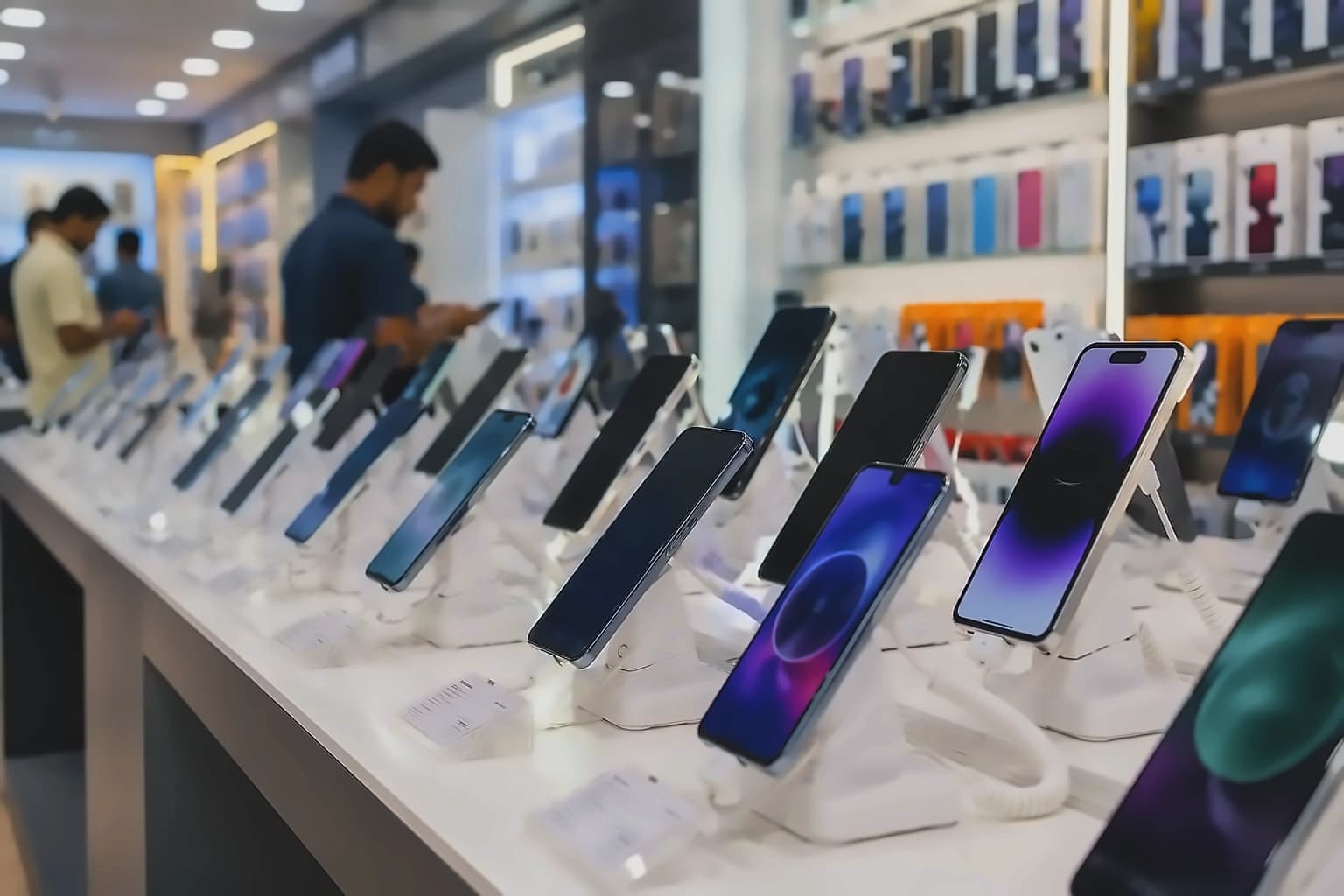
According to Counterpoint Research's latest data, Samsung leads India's smartphone financing market in terms of devices sold through easy monthly installments. Senior Analyst Prachir Singh attributes this leadership to Samsung Finance+ alongside other financing options, as well as its wide range of EMI tenures across price segments. The research firm's Monthly Smartphone Financing Tracker for May 2026 reveals that Vivo follows Samsung in second position, while Apple ranks third in the country's EMI-driven smartphone sales. This ranking challenges the common assumption that Apple dominates the premium smartphone segment in India, where owning an iPhone remains a status symbol for many consumers. As per Techarc's Chief Analyst Faisal Kawoosa, Samsung and Apple have been primarily seeing sales through financing and remain the top brands in this segment, with this status quo remaining consistent since last year.
The financing segment is experiencing significant growth, with 42% of India's smartphone sales expected to be financed in 2026, representing a substantial increase from 35% in 2025. As reported by Counterpoint Research, this growth is driven by financing options including loans from non-banking finance companies (NBFCs) as well as credit and debit card EMIs. The research indicates that Oppo and Xiaomi round out the top five in the EMI smartphone market, with brands having strong offline presence outperforming rivals in this fast-growing segment. According to Techarc's Tech Analyst Shubham Singh, smartphone financing has emerged as one of the key purchase enablers in India and continues to gain traction, although one-time full payments still account for a slightly larger share of smartphone purchases. According to the latest data, around 67% of all financed smartphone units are backed by NBFCs, highlighting their importance in expanding access to credit, particularly in Tier 2 and Tier 3 cities where credit card EMI schemes are limited. Many first-time credit users in smaller cities are increasingly relying on NBFCs for financing, filling a gap left by conventional banking channels.
According to Tarun Pathak, research director at Counterpoint Research, India's smartphone market has remained under pressure in the first half of the year due to rising memory prices, with this trend expected to intensify further. As reported by the research firm, smartphone financing is gaining ground as a primary purchase mechanism against this backdrop of increasing component costs that continue to push up smartphone prices, making one-time purchases less attractive for consumers. The report comes at a time when smartphone brands have been steadily increasing prices across segments, driven by higher memory costs, premium components and a stronger consumer preference for AI-enabled devices with larger storage capacities. The upcoming festive season is likely to be driven by financing-led demand along with upfront discounts, with brands and retail channels focusing on long-tenure EMIs and exchange schemes to stimulate sales. Techarc's Faisal Kawoosa notes that the financing is primarily in premium, smartphones sold above ₹30,000, though this trend could expand to lower tiers during festive windows as prices continue to increase.
According to Counterpoint Research's recent consumer survey, hidden charges and unclear terms and conditions remain the main reasons some buyers avoid financing options. Among NBFCs, Bajaj Finance leads smartphone financing, followed by TVS Credit. Mainline retail-focused brands such as Vivo and OPPO see higher financing penetration as in-store assistance helps consumers better understand financing schemes. The research indicates that premium and mid-premium brands are relying heavily on long-tenure EMIs to drive volumes, with financing likely to support the continued shift toward higher-priced devices while keeping them affordable for a broader set of consumers. Counterpoint Research expects financing to play an even larger role in the smartphone market, as brands increasingly use long-tenure EMIs, exchange offers and affordability programmes to sustain demand. The trend is also expected to accelerate premiumisation by making higher-priced smartphones accessible to a wider base of consumers.