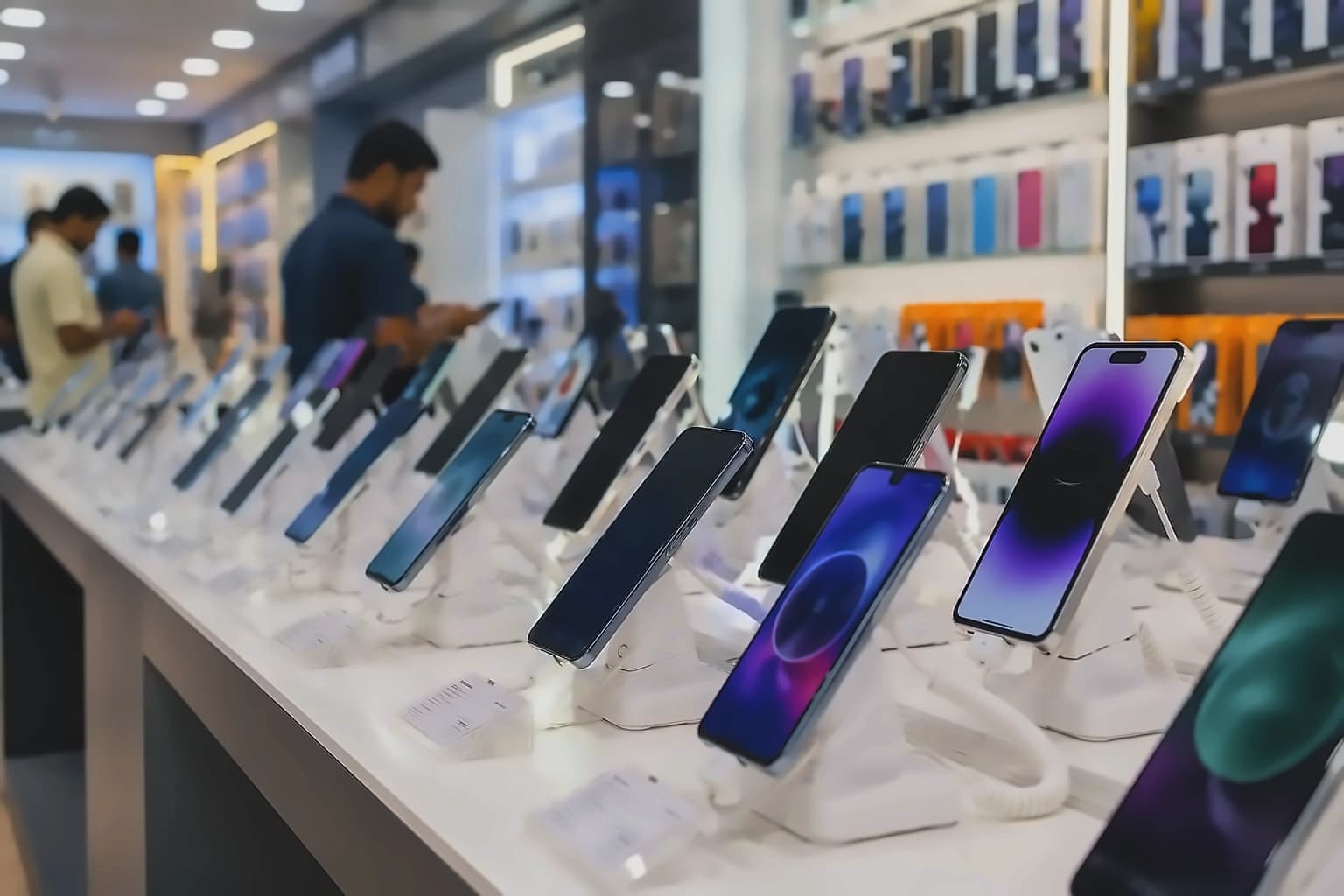
India's 4G smartphone market is demonstrating a notable recovery in 2026, with shipments expected to grow 3% year-on-year after experiencing a 48% year-on-year decline in 2025, according to Counterpoint Research. This represents a significant turnaround from the previous year's significant contraction. The market share of 4G devices is projected to increase from 11% in 2025 to 13% in 2026, with further growth expected to reach 15% by 2027. Research Director Tarun Pathak noted that this recovery marks a broader change in the role of 4G rather than merely a temporary response to higher smartphone prices, as component prices are unlikely to normalise soon. Looking ahead, 4G is set to become a more meaningful part of India's smartphone market, with its share expected to rise from 13% in 2026 to 15% in 2027.
The recovery is primarily driven by changing consumer preferences as pricier component costs have widened the price gap between 4G and 5G devices, making 5G smartphones more expensive for consumers. As reported by Counterpoint Research, consumers in the entry segment (sub-₹10,000) and budget segment (₹10,000-₹20,000) are increasingly turning to 4G devices for better specifications and value at lower prices. Senior Analyst Prachir Singh explained that the shift is particularly visible among price-sensitive consumers who are increasingly weighing specifications and value against the higher prices associated with 5G smartphones. The ₹10,000-₹20,000 segment is emerging as a key growth area as consumers seek better specifications and device experiences without the higher price associated with 5G technology. As consumers increasingly weigh specifications against price, 4G is gaining relevance beyond the entry-level segment, particularly in the sub-₹20,000 range.
Original equipment manufacturers are responding to this market shift by significantly expanding their 4G portfolios into the budget price range. According to Counterpoint Research, the number of OEMs offering 4G models in the ₹10,000-₹20,000 band has increased from just two in 2025 to 12 in 2026 so far. This wider portfolio positioning enables 4G as a broader value proposition, offering consumers a balance of price, specifications and performance as rising costs push 5G smartphones into higher price bands. The growing portfolio is positioning 4G as a broader value proposition, giving consumers a balance of price, specifications and performance as rising costs push 5G smartphones into higher price bands. OEMs are responding to this shift by expanding their 4G portfolios beyond the entry segment, with the trend expected to continue into next year.
As reported by Counterpoint Research, India's 4G recovery is increasingly extending beyond traditional entry-level segments, with demand gaining momentum across the sub-₹20,000 price range. The ₹10,000-₹20,000 category is emerging as a key growth area as consumers seek better specifications and device experiences without paying the premium associated with 5G technology. This shift represents a transformation in how 4G is positioned in India, from an entry-level connectivity choice to a broader value proposition that consumers increasingly weigh against price considerations. With component prices unlikely to normalise soon, consumers are increasingly balancing specifications against affordability, which could encourage smartphone makers to introduce more capable 4G models across the sub-₹20,000 segment. This broader price-value positioning is expected to support continued 4G demand, while encouraging OEMs to expand their portfolios with more capable 4G devices, marking a shift in how 4G is positioned in India.