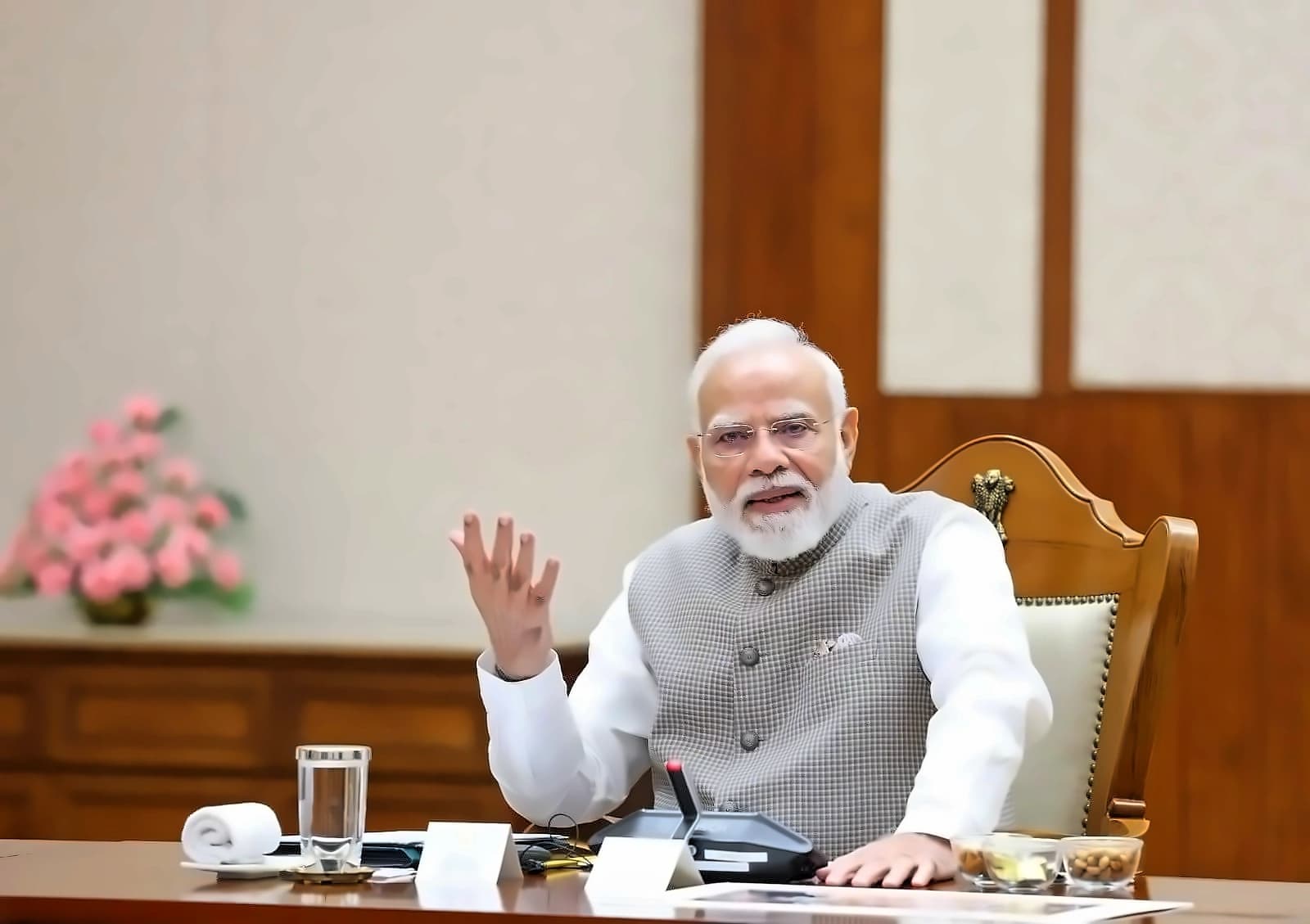
Prime Minister Narendra Modi emphasized that access to critical artificial intelligence technologies must be broad and inclusive during the G7 summit's outreach session on AI deployment. Speaking at the session titled 'Ensuring a Safe, Rapid and Efficient Rollout of AI', Modi stated that all democratic nations should have access to AI models to protect their critical information infrastructure and counter growing cyber threats. According to Business Standard, Modi's remarks come amid growing global debate over access to advanced AI models, including recent restrictions by the United States on access to certain frontier AI systems for foreign nationals on national security grounds. The Prime Minister noted that no country can be fully secure in cyberspace unless all nations are secure, positioning India as viewing cyberspace as a global public good.
Modi highlighted India's commitment to human-centric AI development through its 'MANAV' vision, as reported by Business Standard. At the AI Impact Summit hosted by India in February, the country emphasized creating AI systems that expand human potential, empower human choice, and protect human dignity. The Prime Minister noted that India's MANAV vision and the Pope's message express the same foundational principle — that humans should remain at the centre of technology, however advanced it may be. Modi emphasized that the true test of AI lies not in how powerful our machines become, but in the extent to which the ordinary person is empowered. Describing AI as one of the most transformative technologies ever created, Modi said it was accelerating scientific research, improving governance and creating opportunities in manufacturing, healthcare and education.
Modi outlined a comprehensive framework for balancing safety, speed and efficiency in AI deployment, calling for 'safe-by-design' AI systems where safety should be a foundational element rather than an afterthought. According to Business Standard, he advocated common standards, testing frameworks and regulatory sandboxes to ensure that innovation and governance progress simultaneously. Drawing parallels with sectors such as civil aviation and maritime transport, Modi said globally accepted rules had benefited all countries and a similar approach was needed for AI governance. The Prime Minister also called for promoting technologies like watermarking to guard against deepfakes and strengthening international cooperation to tackle deepfakes, misinformation and cyber fraud.
Modi warned against the misuse of AI during an outreach session at the G7 summit, emphasizing that without proper safeguards, AI could expose children to significant risks including misinformation, deepfakes, and exploitation. As reported by Business Standard, while AI could help provide education in mother tongues, foster creativity and personalise learning, it could also expose children to misinformation, deepfakes and exploitation if adequate safeguards were not put in place. The Prime Minister stated that the difference between beneficial AI applications and harmful misuse lies not in the technology itself but in values, design, and governance. He emphasized that we need to make digital space a playground for learning for children, not a tool of manipulation.
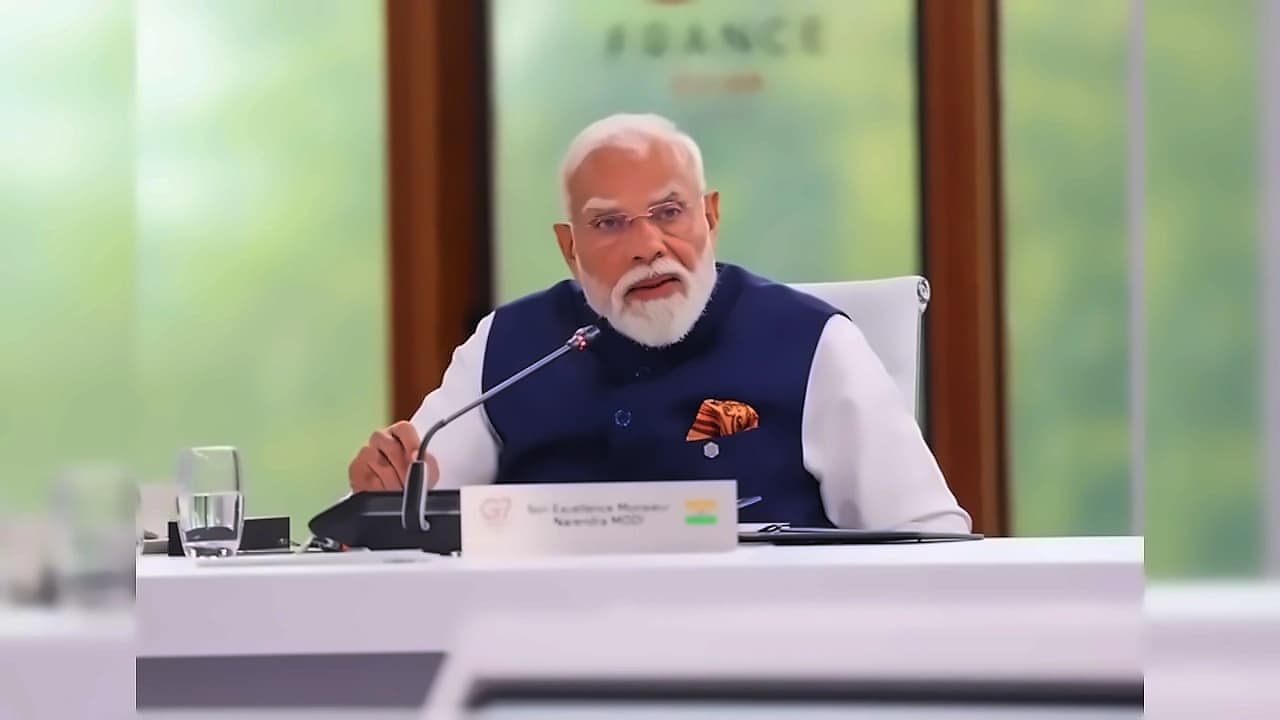
Modi stressed the importance of ensuring AI benefits reach all nations of the Global South, transforming AI into an inclusive force rather than a divisive one. The Prime Minister noted that at the AI Impact Summit hosted by India in February, India presented its 'MANAV' vision, which inspires all of India's endeavours in the field of AI. Modi emphasized that the real test of AI is not in how powerful our machines become, but how much it empowers common people. He also stressed the need for stronger international cooperation to tackle deepfakes, misinformation and cyber fraud, calling for promoting technologies like watermarking to protect against deepfakes.