
Prime Minister Narendra Modi called for a global framework to tackle cyber frauds and deepfakes during his inaugural address at the tenth edition of India Mobile Congress (IMC) 2026. Speaking at the event, Modi emphasised that digital crimes can span multiple countries and require coordinated action by all stakeholders. According to Business Standard, Modi urged the GSMA and telecom operators across the world to create mechanisms that can stop such fraud before it reaches the people. The Prime Minister noted that a person sitting in one country, with the help of a person in another country, can commit a crime in a third country, highlighting the transnational nature of digital threats. Modi stressed that technology can achieve scale only when it gains people's trust, making security a fundamental requirement for digital transformation.
Prime Minister Narendra Modi called for technology democratisation to make digital services affordable and accessible for the Global South during his interaction with the Global System for Mobile Communications Association (GSMA) Board members ahead of the India Mobile Congress. According to reports from News On AIR, Modi emphasised that technology must become a tool for inclusive and sustainable development that should be taken to the last mile to prevent a widening digital divide. The Prime Minister highlighted the transformative potential of Digital Public Infrastructure (DPI), describing it as a powerful tool for accelerating socio-economic development. As per the official statement, Modi noted that discussions with several world leaders have demonstrated growing global interest in India's DPI model and said such platforms could serve as a springboard for developing countries seeking to expand access to digital services and strengthen their economies.
Addressing the growing challenge of digital and cyber fraud, Modi called for technology-driven solutions and proactive awareness measures to tackle the problem. The Prime Minister suggested the use of sustained user awareness campaigns and alerts to help citizens identify and avoid potential fraud calls and online scams. On the growing threat of deepfakes and AI-generated content, Modi called for the development of mechanisms that would allow users to immediately identify the origin and authenticity of digital content. The Prime Minister also highlighted the need for global standards and common rules governing emerging technologies to address these evolving security challenges. As per the official statement, Modi stressed that our digital future must expand opportunity while strengthening trust.
Industry leaders at the India Mobile Congress emphasised that uniform standards, supportive regulatory policies and precise intent translation will be critical to building zero-touch telecom networks across India as infrastructure scales beyond human operational capacity. Speaking during a panel discussion on zero-touch networks, experts highlighted that autonomous networks offer significant gains in operational time efficiency, fault detection, expenditure reduction and overall customer experience while reducing manual dependence. According to Business Standard, U K Srivastava, president of regulatory policy at Reliance Jio, noted that "If we consider today's network, every sector depends on telecom" and added that "it will take quite some time before we close the loop completely." Despite the numerous benefits, panellists suggested that while artificial intelligence can carry out repetitive tasks, large and important tasks such as regulatory actions and monetisation should be done under human oversight.
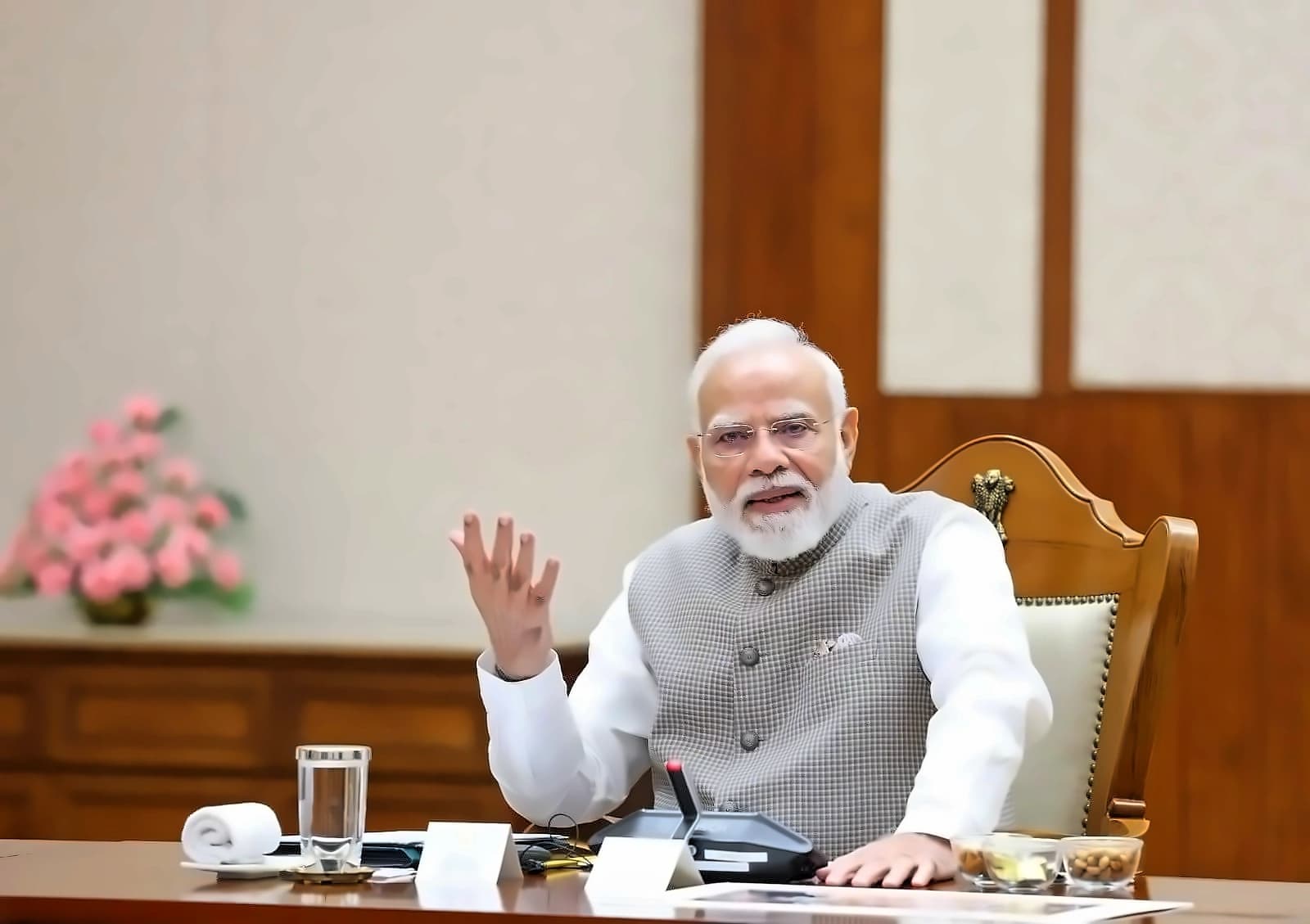
GSMA Board members praised India's rapid progress in digital and mobile connectivity during their interaction with the Prime Minister, according to News On AIR reports. The Board members highlighted the country's swift expansion of 4G and 5G networks, the scale and success of its digital public infrastructure initiatives, and the growth of its telecom and mobile manufacturing ecosystem. They appreciated India's investment-friendly policy framework and emphasised the role of secure, resilient and trusted digital infrastructure in supporting continued digital growth. The industry representatives also stressed the importance of such infrastructure to sustain the country's digital growth. The GSMA board highlighted opportunities for deeper international cooperation with India across 5G, 6G, AI, cybersecurity, digital inclusion and satellite connectivity.
The GSMA Board meeting took place ahead of the four-day India Mobile Congress scheduled from 7th to 10th this month in New Delhi, as reported by News On AIR. Telecom Minister Jyotiraditya Scindia praised Modi's visionary roadmap, stating that India is driving the global future of 6G, AI, and secure digital growth. Scindia emphasised the need to build together towards an inclusive digital future, highlighting India's leadership in affordable technology and cyber security initiatives. The GSMA board highlighted opportunities for deeper international cooperation with India across 5G, 6G, AI, cybersecurity, digital inclusion and satellite connectivity. At the Congress, industry leaders also discussed the need for right frameworks and guardrails around autonomous networks to limit damage when things go wrong and provide the power to roll back changes.

