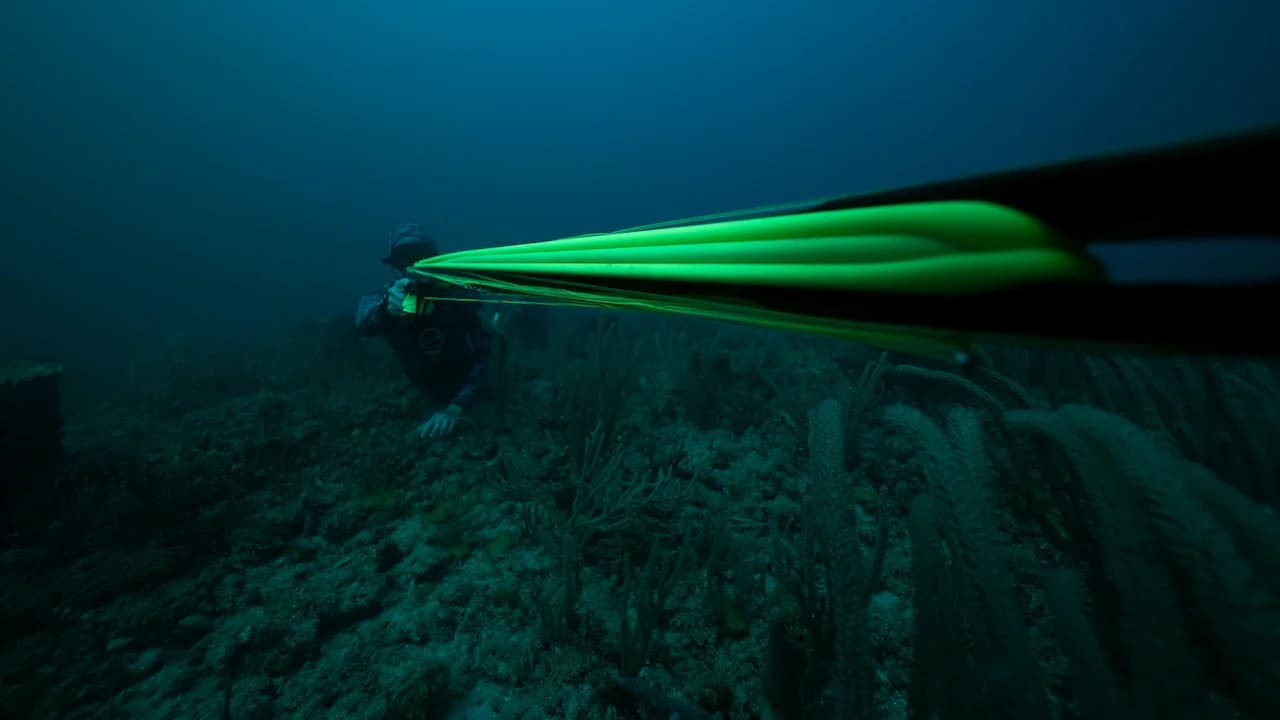
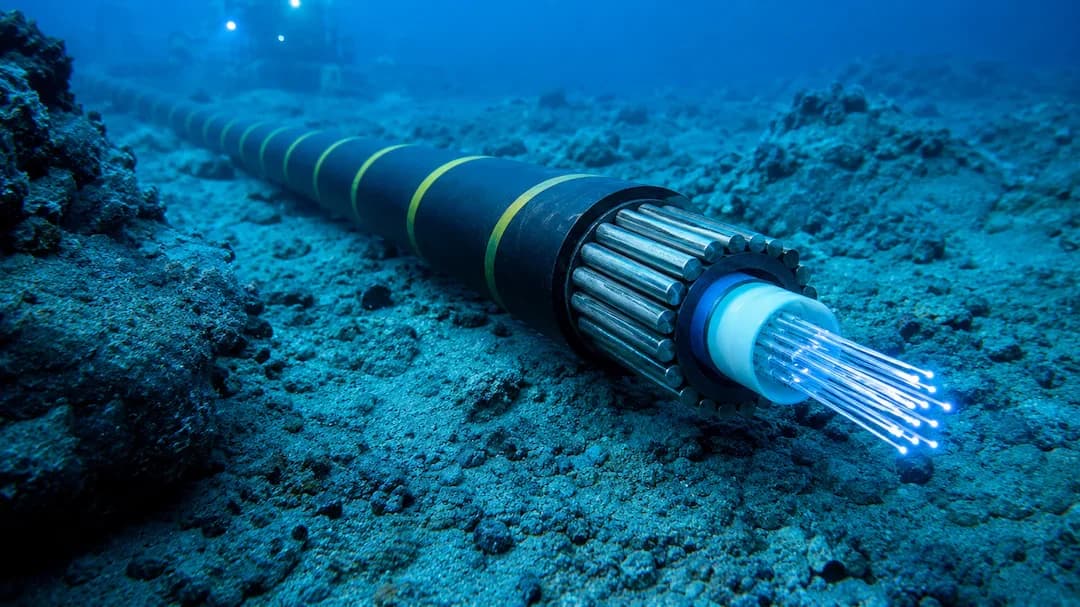
Iranian military spokesperson Ebrahim Zolfaghari has declared that "We will impose fees on internet cables" as reported by X, signaling Tehran's intention to leverage control over critical global internet infrastructure. This threat comes amid a fragile ceasefire and continued US pressure, as the Iran conflict expands beyond military objectives into confrontations affecting nearly every pillar of modern life. The reported plan to charge submarine cable operators crossing Hormuz could affect global tech giants and directly impact Indian telecom operators and millions of consumers reliant on digital services.
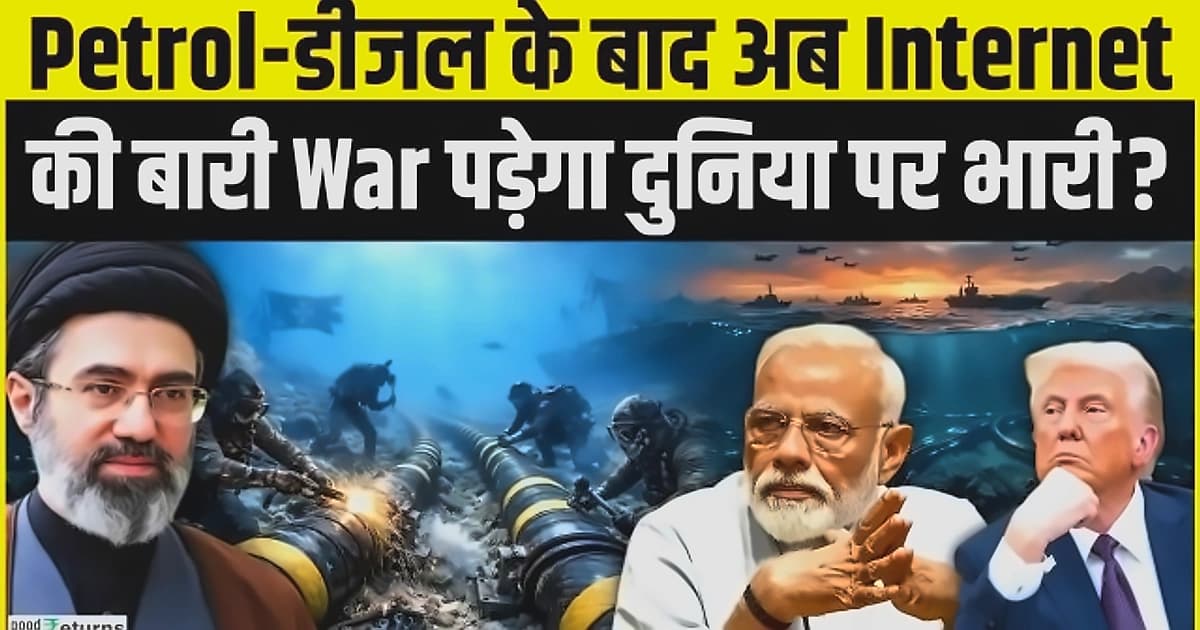
Recent developments in Iran-US tensions have sparked concerns about the security of undersea internet cables that connect global networks. According to reports from Goodreturns, the focus has shifted to these critical infrastructure components that form the backbone of international internet connectivity. The discussion centers on whether potential disruptions to these subsea cables could impact internet services for users worldwide, with the threat now extending to direct fee impositions on cable operators.
India faces direct implications from Iran's cable fee threat, with at least four submarine cable systems linked to the Strait of Hormuz directly landing in India through Mumbai and Chennai: FALCON, GBICS/MENA, SeaMeWe 6, and Asia Africa Europe 1 (AAE 1). As reported by India Today's Open Source Intelligence (OSINT), using data from TeleGeography, these networks route critical internet traffic connecting India with the Gulf, Europe, and Africa. Indian telecom operators, including Bharti Airtel and Reliance Jio, also have stakes or operational interests in some of these systems, with Airtel participating in SeaMeWe 6 and Reliance Jio linked to AAE 1.
The analysis reveals that at least seven major submarine cable systems pass through or around the Strait of Hormuz, including FALCON, GBICS/MENA, 2Africa, OMRAN/EPEG, Fibre in Gulf (FIG), SeaMeWe 6, and Asia Africa Europe 1 (AAE 1). These fiber optic systems carry internet traffic across Asia, Africa, and parts of Europe, making Hormuz not just an energy corridor but also a critical digital artery of the global economy. The findings show that several cables pass through regional hubs in Oman and the UAE before routing traffic to India, making the country heavily dependent on this corridor for cloud infrastructure, banking, digital payments, streaming services, and enterprise data movement.
Iran's aggressive cable fee threats emerge against a backdrop of severe economic difficulties, with President Masoud Pezeshkian acknowledging that "We will definitely have inflation" as the country faces mounting pressure on energy infrastructure and oil exports. The president warned of "inflation, shortages and economic hardship" due to the ongoing war, stating that "We are fighting and we must accept the hardship that comes with it." Iran has suffered serious economic and infrastructure damage, with attacks damaging around 230 million cubic meters of gas infrastructure as well as power plants, petrochemical facilities, and major industrial sites. The economic strain has prompted Iranian officials to increasingly adopt confrontational rhetoric as a political strategy, with analysts noting this represents a deliberate shift from traditional diplomatic approaches to more aggressive posturing.