India's 5G adoption is projected to reach 62 per cent by 2030, significantly outpacing the Asia-Pacific (APAC) average of 50 per cent, according to the Groupe Spécial Mobile Association's (GSMA) Mobile Economy Asia Pacific 2026 report. This positions India as a regional leader in 5G technology adoption, with the country's connectivity challenge increasingly shifting from network coverage to usage and adoption. The report identifies India as one of the region's 'Leading Nations', alongside Bangladesh, Indonesia and Pakistan, based on regulatory modernisation importance for accelerating digital-economy growth. Presently, India's top three private telecom operators, Reliance Jio, Bharti Airtel, and Vodafone Idea (Vi), are providing wireless 5G services, while state-owned Bharat Sanchar Nigam Limited (BSNL) is expected to switch on its 5G network in the coming months.
Mobile technologies and services are projected to contribute $1.4 trillion to the Asia-Pacific economy by 2030, representing a 40 per cent increase from the $1 trillion generated today, as reported by the GSMA. In the wider APAC region, operators are expected to invest more than $200 billion in capital expenditure between 2025 and 2030. However, the report highlights that more than 700 million adults remain offline despite being covered by mobile broadband networks, indicating significant digital divide challenges across the region. The coverage gap has fallen dramatically from around 30 per cent to less than 5 per cent in South Asia, as reported by the GSMA, indicating India's success in expanding network coverage across the region. The next phase of digital growth will be shaped by how governments, operators and technology providers respond to four converging priorities: the rapid rise of artificial intelligence (AI), declining digital trust, demand for more resilient digital infrastructure, and growing interest in digital sovereignty.
According to Kaspersky's latest B2C Pulse Survey, consumers in Asia Pacific are ahead of global averages in digital service adoption, with 80% using online shopping services compared to 71% globally, 72% using digital finance versus 70% worldwide, and 70% using digital entertainment against 62% globally. Digital communication usage also reached 68% in Asia Pacific versus 61% globally. The survey found that consumers in the region showed slightly higher concern about digital technology risks, with 35% expressing concern compared to 32% globally, with Thailand leading at 39%, Malaysia at 38%, Indonesia at 35%, China at 34%, India at 32%, and Vietnam at 31%. Kaspersky reported blocking nearly 30,000 mobile attacks against consumers in Asia Pacific during Q1 2026, with Taiwan recording the largest increase at 373%, followed by Sri Lanka at 132%, Thailand at 127%, Bangladesh at 108%, China at 69%, and the Philippines at 28%. India and Indonesia specifically saw 18,187 and 15,163 mobile attacks respectively, highlighting the region's growing cybersecurity challenges.
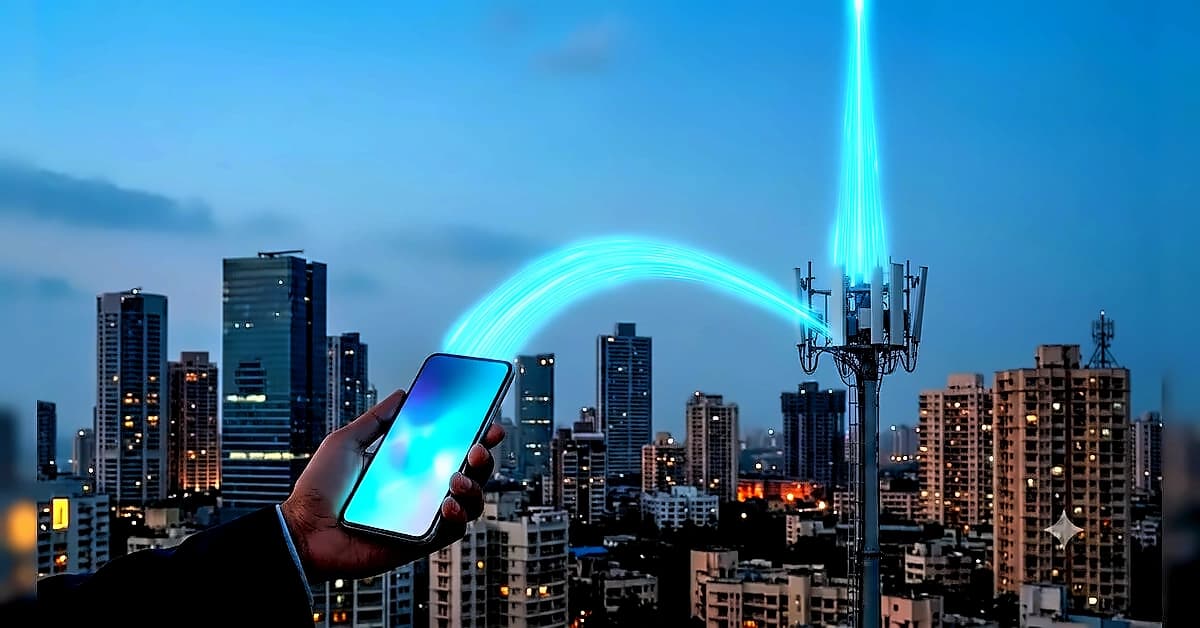
Recognizing the growing cybersecurity threats, Kaspersky is advocating for an embedded security model where protection is integrated directly into mobile applications. Its Mobile Security SDK allows organisations including banks, retailers, government services and application developers to add security capabilities directly into their apps, featuring anti-phishing and malware detection, secure connectivity, device reputation checks, data protection and detection of remote access tools. The approach is designed to reduce dependence on consumers independently installing, configuring and maintaining separate mobile security applications. Kaspersky also highlighted additional tools including its Who Calls SDK for caller identification and Kaspersky Safe Web for network-based DNS filtering, designed to help identify malicious or phishing websites before users access them. This shift toward distributing security across applications, networks and service platforms reflects the growing need for comprehensive protection as smartphones increasingly serve as primary interfaces for banking, payments, shopping and government services.