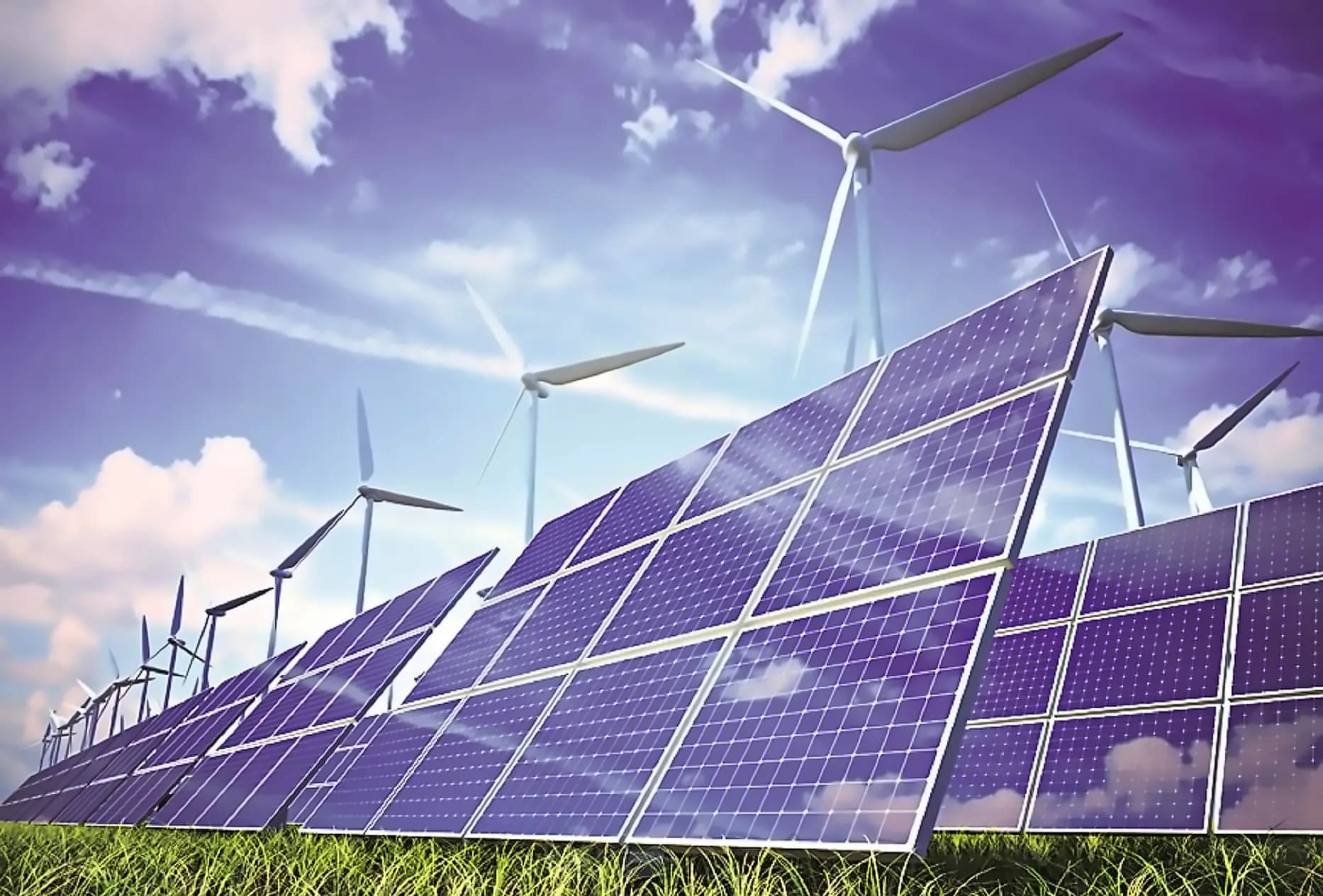
According to the International Energy Agency's latest Electrification special report, India's electrification rate could rise from 19% to 32% by 2035, with transport electrification playing a major role in this transformation. The report highlights that electric two- and three-wheelers and cars are now cheaper on average in these countries over their usual ownership period than internal combustion engine alternatives. In Southeast Asia, the electrification rate could rise from 25% to 37% during the same period. The IEA notes that developing countries heavily dependent on imported fuels have much to gain by replacing the direct use of oil and other fossil fuels with electricity, with benefits being greater if the additional electricity comes from domestic and low-emission sources.
The IEA report projects that energy import bills of fuel-importing countries around the world could fall by more than $400 billion by 2035 compared with 2025 levels if they substantially accelerate electrification. For India specifically, reduced imports could yield savings of nearly 30% of its 2025 import bill. Emerging and developing economies outside China could collectively reduce their annual fuel import bills by more than $100 billion by 2035 under the agency's High Electrification Scenario, equivalent to more than a quarter of their fuel import bills in 2025. This projection comes amid concerns about supply shortages and higher energy prices due to the conflict in West Asia and disruptions to shipping through the Strait of Hormuz.
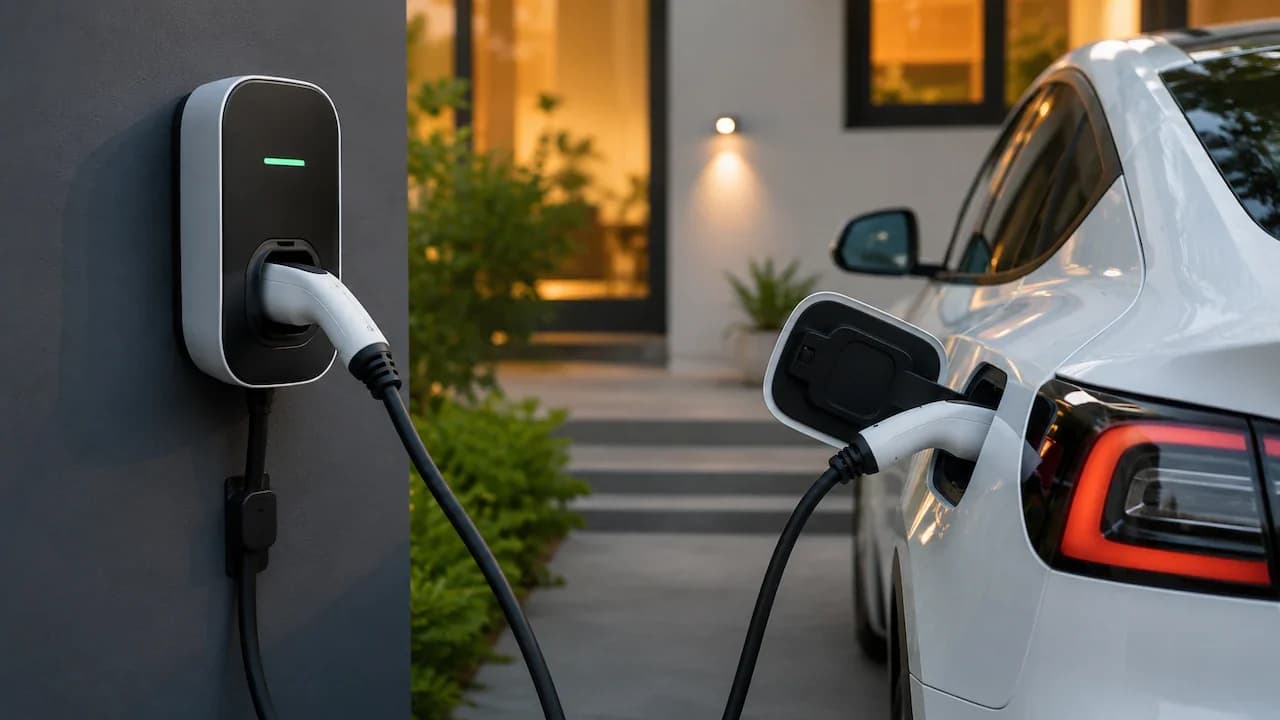
According to the IEA report, sales of electric cars in India increased by over 115% in the four months from March to June 2026 compared with the same period in 2025. EVs accounted for over 65% of three-wheeler sales in 2025, demonstrating strong market adoption. India launched a programme to procure and deploy 500,000 induction cooktops amid the current energy crisis, while several countries announced electrification policies in response to supply concerns. The IEA identifies transport, textiles, food processing and agriculture as sectors with significant electrification potential in developing economies, noting that electric motorcycles and three-wheelers are particularly suitable for developing economies due to shorter daily travel distances and densely populated cities.
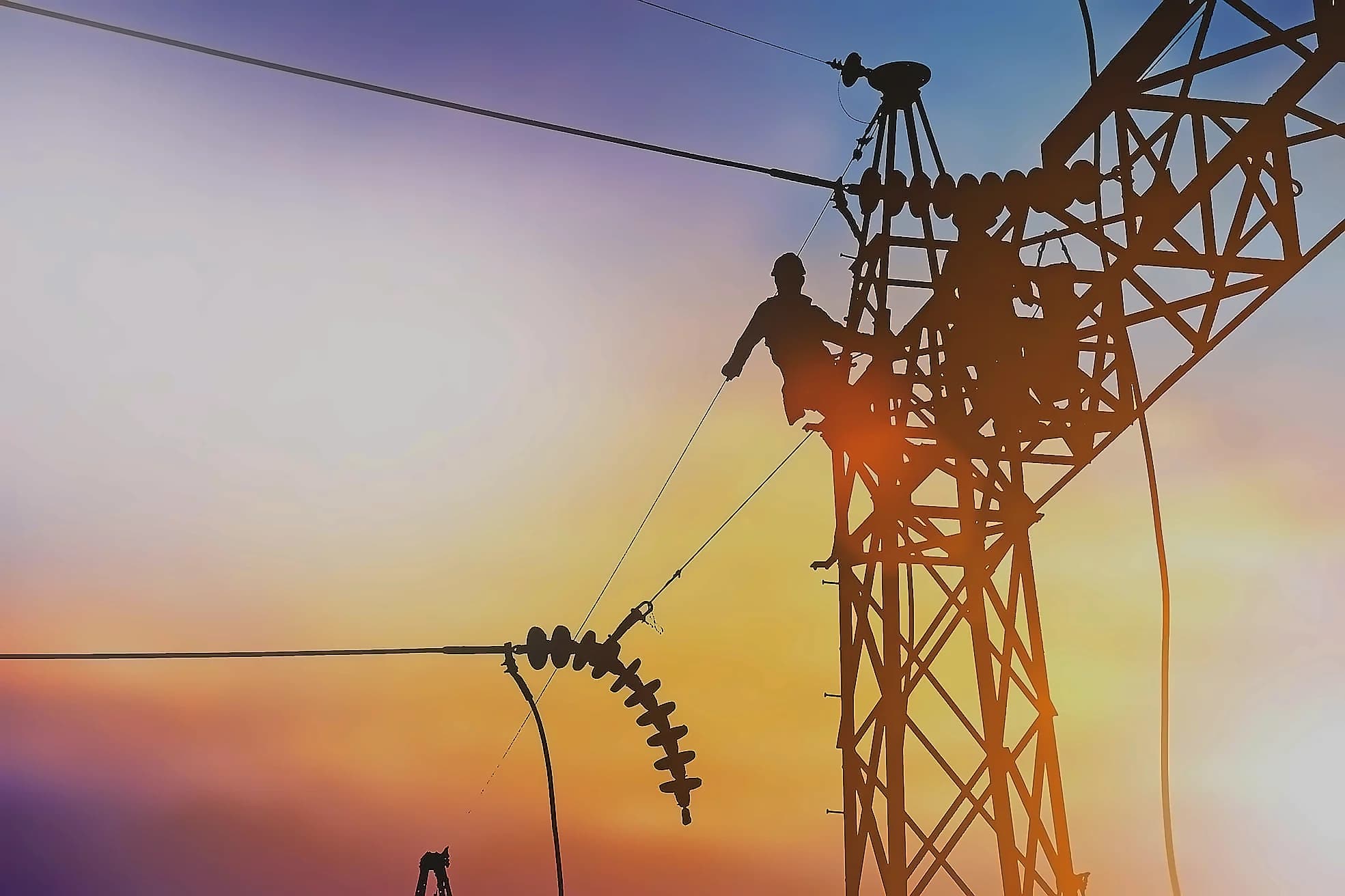
The IEA noted that in India, where solar photovoltaic (PV) shares are growing rapidly and demand is increasingly concentrated in the evening and at night, smart charging, time-of-use tariffs and vehicle-to-grid systems can shift demand to off-peak periods and improve grid utilisation. Emerging market and developing economies saw increased electricity demand, with annual growth from 2015 to 2025 averaging around 5% in both India and Southeast Asia. China alone accounted for over 60% of the global increase in electricity demand over 10 years. The IEA says existing technologies could cost-effectively increase electricity's share of global final energy consumption from around 23% to around 33%, bringing a proposed global target of 35% by 2035 within reach.
According to the IEA report, India and Southeast Asia's combined share of the global air conditioning stock could rise from less than 10% today to 20% by 2035. The agency projects that around half of households will have cooling access by 2035, with nearly 90% of new residential AC stock added in emerging market and developing economies. This growth is driven by rising incomes and temperatures, with AC uptake set to grow significantly across these regions. The IEA emphasizes that there is no single pathway for every country, with the pace of electrification depending on each country's economy, energy prices, infrastructure and access to finance.