The Reserve Bank of India (RBI) is actively discussing comprehensive AI guidelines for banks and non-bank lenders, signalling a significant shift from issue-specific norms to a broader regulatory framework. According to reports from Mint, the proposed guidelines will see most departments within RBI working in sync with the department of regulation, with the idea to have everything that entities regulated by RBI need to follow on the use of AI in business in one place. As a person aware of the discussions explained, the RBI has released a draft framework for model risk management in June, but the current discussions are on whether the sector needs more norms around use of AI. The central bank is also discussing what broader role it can play when it comes to innovation and development of AI, requiring interdepartmental coordination within the central bank.
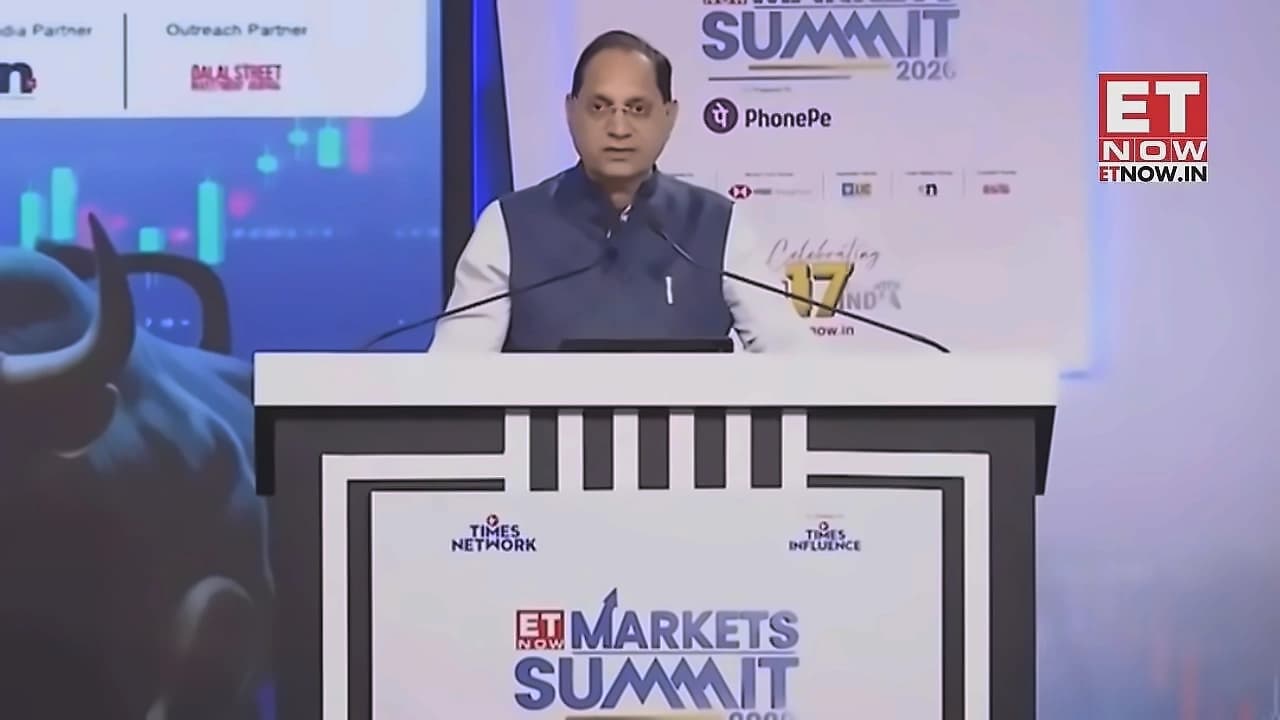
IT Secretary S Krishnan outlined India's approach to artificial intelligence development, emphasizing the need for 'strategic autonomy' rather than traditional sovereignty. According to reports from Business Standard, Krishnan stated that while sovereignty has a particular context, the appropriate term for India's approach would be strategic autonomy in building AI structures. He stressed the importance of having autonomy in how these structures are developed, positioning this as crucial for India's AI strategy. As Krishnan explained, strategic autonomy means building domestic capability across the AI chain and using diversified, resilient supply chains, so India lowers its strategic dependence while staying integrated with global AI development. This approach represents a middle ground between building everything alone and relying on a single country or company for compute, models and tooling.
The IT Secretary highlighted India's opportunity to emerge as a global leader in building AI-powered applications and solutions. As reported by Business Standard, Krishnan emphasized that India should leverage inputs from multiple sources while avoiding overdependence on any single country or source. He noted that in a country the size of India, having sufficient domestic capability in some part of the AI value chain is essential to ensure India cannot be taken for granted or bypassed completely. According to Gadgets Now, Krishnan expects that AI could extend the reach of departments working under tight resource constraints, and it could support India's ambition of reaching developed-economy status. He rejected the assumption that AI arrives as a straight substitution for labour, stating that AI adoption will not be entirely labour-replacing and expects it to create new opportunities and different kinds of jobs, including jobs at the higher end, provided a human stays in the loop to catch errors.
Krishnan advocated for resilient and diversified AI supply chains while acknowledging global interdependence. According to Business Standard, he explained that this approach involves building interdependence and structures where India can rely on trusted and verified sources while also being part of trusted supply chains with enough diversification and resilience to navigate various situations. The strategy aims to avoid excessive reliance on any single source or location. As Krishnan noted, trusted supply chains with greater diversification and resilience would lower India's strategic dependence while keeping it integrated with global AI development. Between building everything alone and relying on a single country or a single company for compute, models and tooling, he wants the middle ground that provides optionality and cheaper, faster development for a country whose AI stack is still being assembled.
Speaking to reporters, Krishnan indicated that the time has come to start thinking about an artificial intelligence law and broader regulatory framework. As reported by Business Standard, he stated that the government is currently in the process of gathering feedback on AI regulation. He noted that while AI law is mentioned as something that will have to come in at some point, the appropriate time to start thinking about it is now, with the government primarily looking at feedback from various stakeholders. According to Gadgets Now, Krishnan put the timing at 'start thinking about it', which in Indian policy practice often precedes a consultation paper by several months. The ministry has taken the approach of building a rulebook on existing intermediary obligations rather than a broad AI law written before capability settles, allowing for faster implementation and stronger binding power. Building guardrails for AI usage takes off from the report of the committee on Framework for Responsible and Ethical Enablement of Artificial Intelligence (FREE-AI), which submitted its report to the central bank in August 2025.
India's banking sector is rapidly adopting AI technologies, with banks and non-bank lenders seeing AI-enabled cyber threats as the biggest risk to their businesses over the next 12 months, according to an RBI survey cited in the June Financial Stability Report. Consumer financier Bajaj Finance has set up AI-based cameras in over 500 stores, planning to expand to 3,000 stores by March 2027, while Tata Capital's portfolio monitoring platform has helped strengthen risk management and reduce credit cost by 14 basis points year-on-year in FY26. In the draft circular of June, RBI warned that such usage of models usually comes with additional risks, stating that regulated entities should establish robust human oversight for AI models and override suspension or deactivation mechanisms, including kill-switch arrangements. Experts note that AI hallucination - where AI makes up information and presents it as facts - poses significant risks, particularly for decisioning and regulatory reporting use cases.