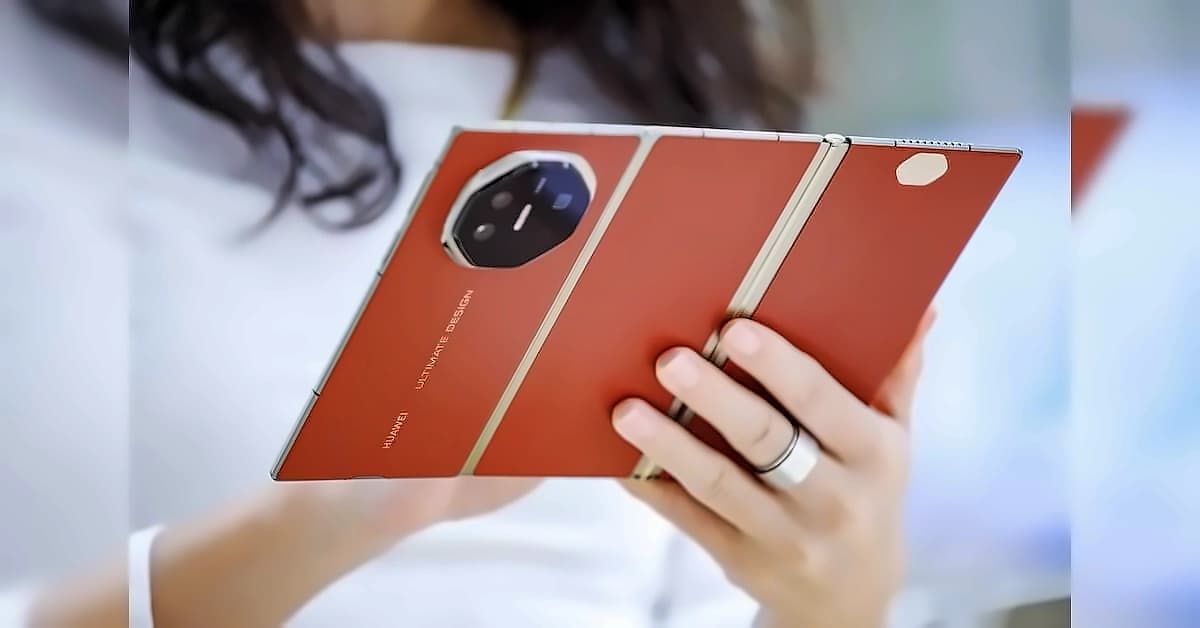
Huawei Technologies Co. has unveiled the Mate XT 2, an ultra-premium trifold device priced at 19,999 yuan ($2,980), representing a 10% increase from its predecessor. According to reports from Bloomberg, the device features two folding mechanisms and functions as both a regular smartphone and a 10.2-inch tablet. The company's consumer business chief Richard Yu attributed the price increase to growing difficulty in procuring memory, with the device coming equipped with relatively modest 16GB of memory and 256GB of storage in its basic edition. "Pricing right now is a real challenge, because memory costs have risen sharply. We adopted a lot of new technology, and the cost pressure has been enormous," Yu told a press conference. The most expensive version costs 24,999 yuan ($3,725) with sales starting on September 12. The launch comes as Huawei and Xiaomi unveiled their latest foldable smartphones days before Apple's expected product event on Wednesday, giving Chinese companies an opportunity to promote their devices before Apple enters the segment.
The Mate XT 2 introduces significant performance improvements, delivering 42% better overall performance than its predecessor based on company tests. As reported by Bloomberg, the device features a redesigned folding mechanism, improved water resistance, and an optional screen that prevents people nearby from seeing what is displayed. The device also includes upgraded cameras and features Huawei's LogicFolding chip design philosophy, featuring the Kirin 9050 Pro processor as the first silicon developed under this program. Huawei's semiconductor chief He Tingbo unveiled this alternative path to developing cutting-edge semiconductors, aimed at working around US-led restrictions barring the company's access to advanced lithography tools. The new chip reportedly delivers 55% more transistors per square millimeter and 66% power reduction on key tasks. Ahead of the phone's launch, He published a paper addressing concerns over potential overheating and said the new chip has significantly reduced power consumption. The basic version has 16GB of memory and 256GB of storage, with the most expensive variant costing 24,999 yuan ($3,725).
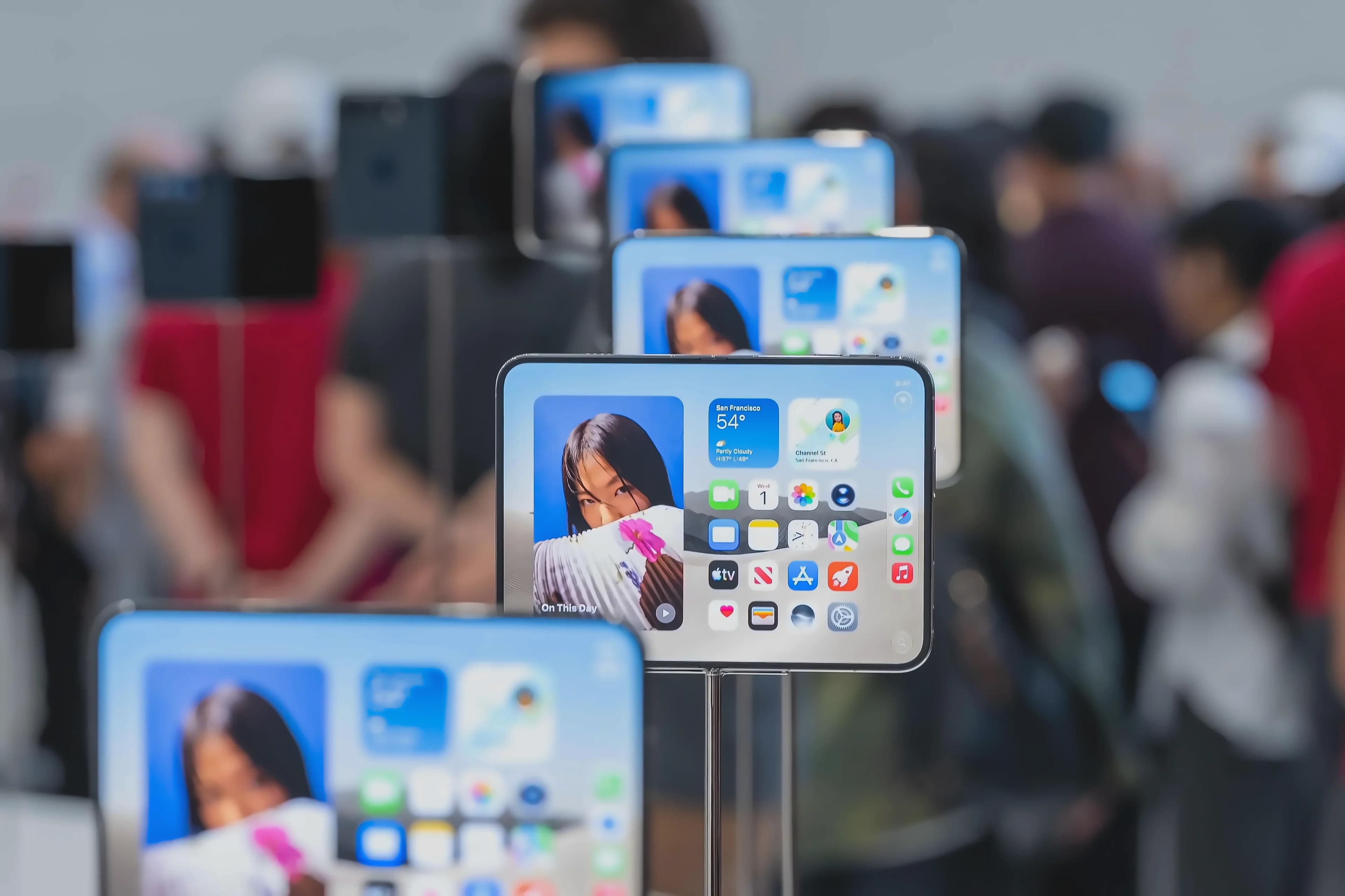
The launch comes amid intensifying competition as Xiaomi launches the Xiaomi 18 Fold later on Monday, featuring homegrown memory from CXMT Corp. and Xiaomi's self-developed Xring O3 processor. According to Bloomberg, Xiaomi CEO Lei Jun unveiled the device at an event in Beijing, with the Xiaomi 18 Fold starting at 10,999 yuan for the 256GB version. Lei said the pricing reflects value for money despite expensive memory costs, noting "Right now, memory is very expensive. So our pricing isn't cheap but it's definitely good value for your money." The Xiaomi 18 Fold's passport-like design is similar to the expected design of Apple's first foldable iPhone. Counterpoint analyst Ivan Lam expects Apple's entry to rapidly grab market share, noting that Apple has the world's biggest premium device installed base. "Apple has the world's biggest premium device installed base. Its foldable will sell well and rapidly grab market share," Lam said. The Mate XT 2 will be available for purchase in China from September 12, while Apple Inc.'s first foray into the foldable category is expected to be priced at more than $2,000. Apple may likely account for 25% of the global foldable smartphone market in 2026 and potentially become the market leader with a 41% share next year, according to projections by Smart Analytics Global.
Huawei leads China's smartphone market with a 22.6% share in the second quarter, ahead of Apple's 18.1%, according to consultancy IDC, while Xiaomi holds 12.4% of the market. As reported by Bloomberg, Huawei is even more dominant in folding phones, accounting for 68% of shipments in China in the second quarter, according to Smart Analytics Global. Both companies face financial pressures, with Huawei's profit declining in the first half due to forced component hoarding amid rising memory costs, and Xiaomi's profit declining for three consecutive quarters as the company reduced shipments of unprofitable low-end devices. The smartphone industry is experiencing its worst contraction on record this year, with shipments likely to decline 14%, according to Counterpoint data. To counter pressure and increase average selling prices, smartphone makers are increasingly focusing on premium segments such as foldables. Huawei and Xiaomi also raised smartphone prices earlier this month, local media outlet Jiemian reported, as companies seek to manage higher component costs.