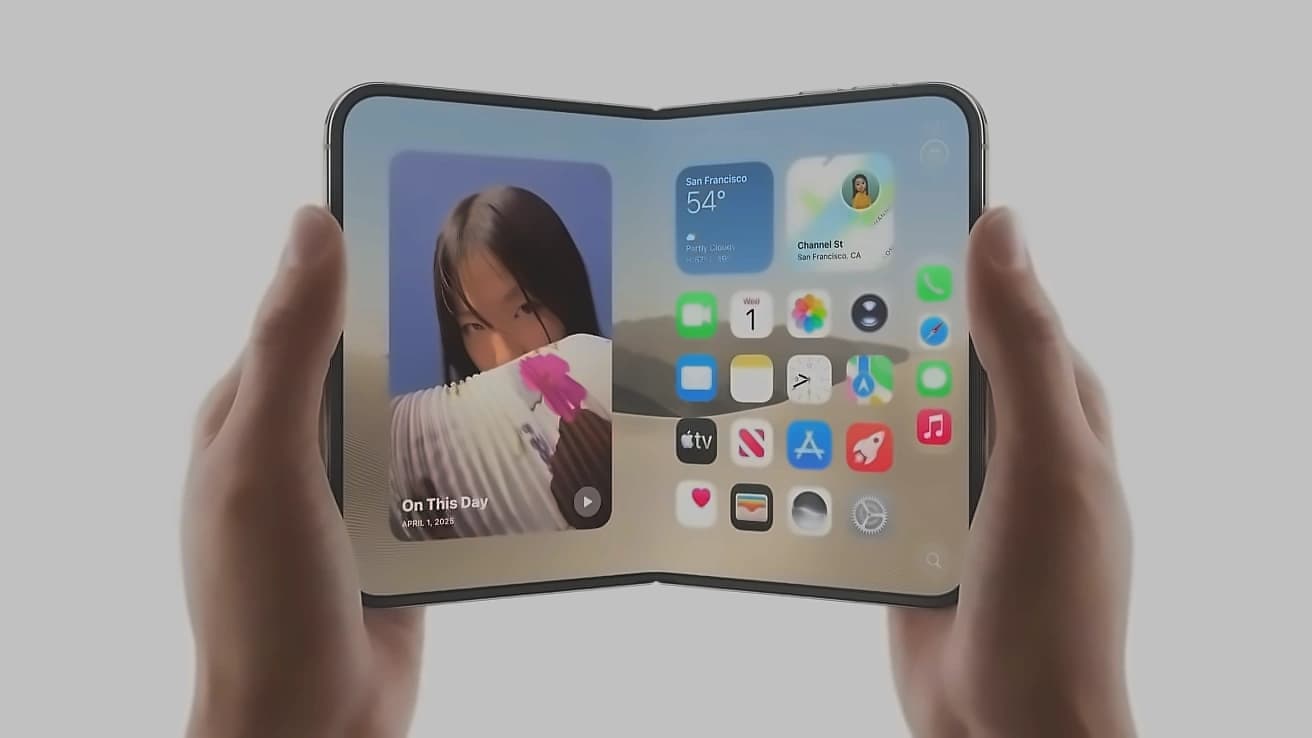
The foldable smartphone market is experiencing a dramatic turnaround, with analysts projecting significant growth driven by Apple's iPhone Duo launch. IDC estimates foldable phone sales will grow 13% this year, with total shipments reaching 22.9 million units globally. This recovery comes after global foldable shipments declined 8-21.6% year-over-year in the first half of 2026, marking the first sustained decline since the category emerged in 2019. The market is projected to grow from $32 billion in 2025 to $66 billion by 2031, with analysts forecasting 17% CAGR through 2029. Without Apple's Duo, the segment would have declined instead, highlighting its critical role in market recovery.
Apple launched its $1,999 iPhone Duo on September 11, 2026, with analysts projecting approximately 6 million units of sales by year-end. According to Counterpoint Research, the figure represents the first estimate for the company's inaugural foldable device and is described as typical of the niche foldable segment rather than Apple's usual smartphone sales volumes. As reported by Counterpoint Research, the sales projection is contingent on how well Apple ramps up production of the new hardware. However, TrendForce projects a more conservative scenario where iPhone Duo supply constraints limit Apple to roughly 5 million units before year-end. Looking ahead, analysts project 2027 to become the foldable market's strongest growth year since 2022, with estimates ranging from 37-40% year-over-year growth and total shipments potentially reaching 27 million units.
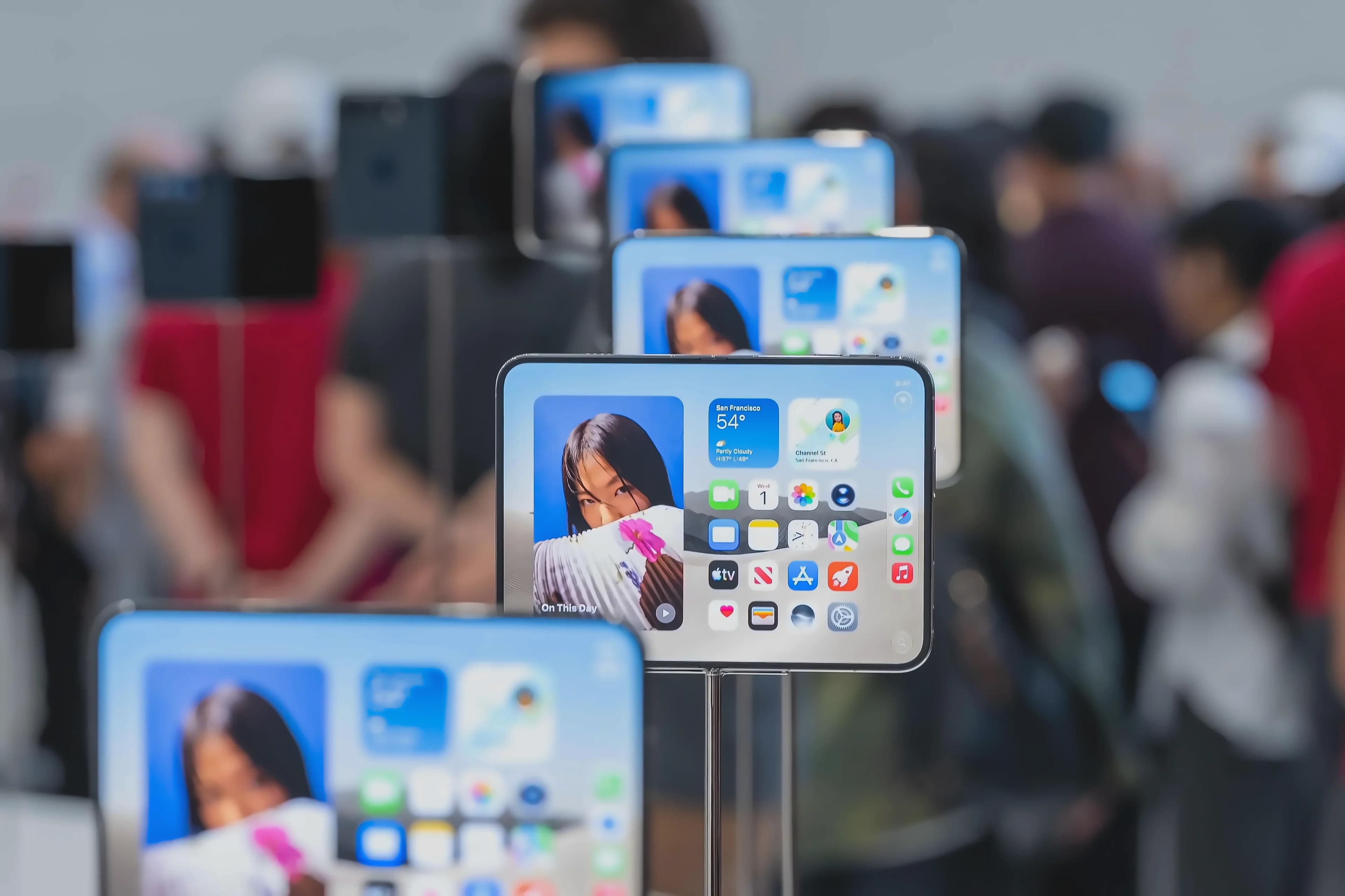
The iPhone Duo is priced at $1,999 for the 256GB model, scaling to $3,199 for the 2TB variant, with monthly installment pricing available at $83.29 over 24 months. The device is scheduled for an October release, positioning it at the top of Apple's product lineup. CEO John Ternus positioned the larger foldable display as a personal AI hub, with Apple demonstrating the device running Zoom, Slack, and Netflix on its expanded display. According to Counterpoint Research, the device carries industry-wide hopes for stoking greater interest and sales of foldables in the market. The iPhone Duo was introduced alongside Apple's iPhone 18 Pro family, which has demonstrated strong early performance in China. In India, pricing ranges from ₹2,99,900 for 256GB to ₹4,49,900 for 2TB variants. The base price undercuts Samsung's Galaxy Z Fold 8 Ultra ($2,099.99) but sits above the standard Galaxy Z Fold 8 (~$1,799).
Apple's iPhone 18 Pro family has achieved remarkable success in China, with the company now holding 33% of China's competitive smartphone market, according to Bloomberg. This dominance is particularly significant since competitors typically share the market equally. The iPhone 18 Pro family achieved a 12% rise compared to the iPhone 17 Pro's initial sales, with the company's Pro edition smartphones released without a corresponding base-model upgrade, steering consumers toward pricier models. This performance bucked a broad downtrend in China's smartphone market, where Chinese brands experienced a 17% year-on-year decline during the summer period. Rising component costs are forcing all manufacturers to increase prices, with Chinese flagship models seeing price hikes exceeding $200. Analyst Ivan Lam noted that these price increases may have raised the overall price anchor, strengthening the iPhone's relative value proposition among consumers.
Under new CEO John Ternus, Apple is implementing significant changes to accelerate product development and market response. According to Bloomberg, Ternus wants faster product development with more frequent launches and fewer management layers. He plans to make Apple a more experimental company, believing that in the AI era, faster launches help with competition. The company is reportedly moving toward products launched throughout the year, moving beyond traditional spring and autumn schedules. Upcoming products include camera-equipped AirPods, smart glasses, and a redesigned iPhone marking its 20th anniversary. Hardware engineering has already removed several program manager positions, with employees previously coordinating teams and development timelines. This organizational restructuring supports Ternus's vision of running Apple with fewer employees while maintaining competitive momentum in the rapidly evolving technology landscape.