Courts across India are increasingly protecting individuals' rights over appearance, voice, and other attributes through constitutional protections covering freedom of speech and expression, life and liberty, and provisions of the Copyright Act, Trade Marks Act, and Information Technology Act 2000. According to Business Standard reports, courts grant relief through interim injunctions, often ex parte from one party, where plaintiffs establish prima facie cases of unauthorized use of their persona including name, image, voice, likeness, or other distinctive attributes along with irreparable harm and favorable balance of convenience.
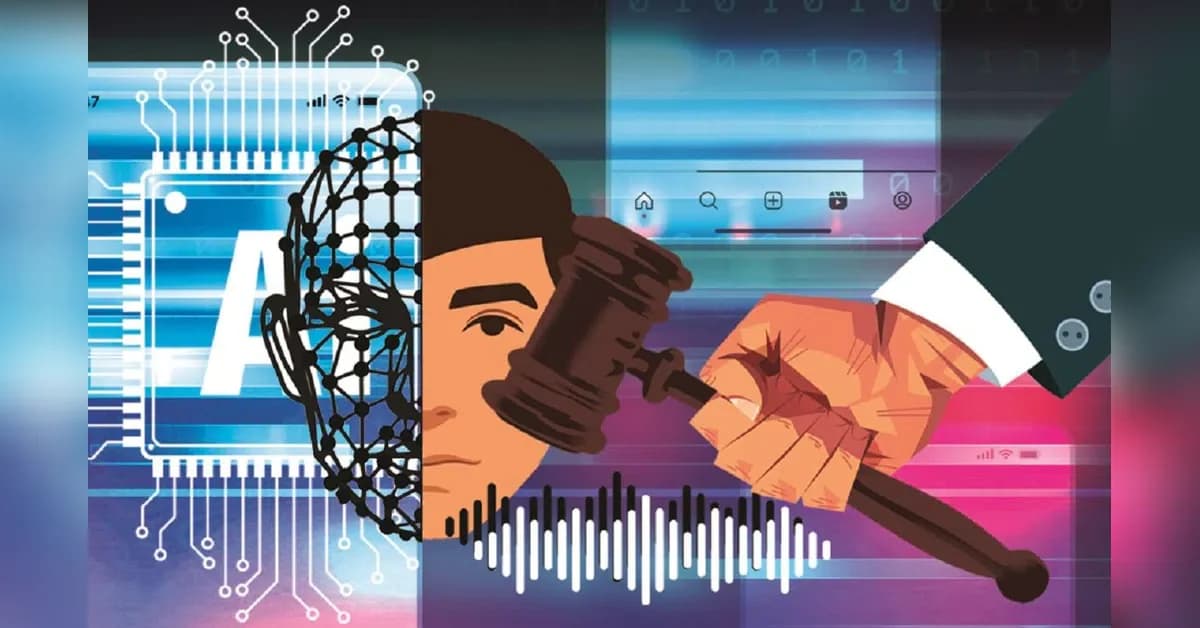
AI technology has significantly lowered barriers to replicating identity through deepfakes, voice cloning, digital avatars, and synthetic endorsements. As reported by Business Standard, Lavin Hirani, Managing Partner at Hirani & Associates, described AI as having 'completely changed the game', with what was once occasional merchandise piracy now turning into daily deepfake scams and fraudulent endorsements. The Bombay High Court's ruling in Arijit Singh versus Codible Ventures issued on July 26, 2024, offers a working test comprising demonstrable public recognition, identifiability from infringing use, and commercial exploitation.
While there is no statutory definition of 'celebrity' under Indian laws, courts have evolved a functional test based on public recognition, goodwill, and commercial value attached to a person's identity. According to Business Standard reports, film stars and singers naturally succeed more easily, but the door remains open to others who can demonstrate commercial harm. The Dr Devi Shetty case shows this doctrine extends beyond Bollywood, with the famed cardiac surgeon securing relief against AI-generated fake endorsements. Personality rights claims by non-celebrities remain difficult unless clear economic or reputational harm is established.
Courts routinely issue 'John Doe' or 'Ashok Kumar' orders restraining unknown defendants, along with dynamic injunctions against intermediaries and platforms. As reported by Business Standard, these orders allow plaintiffs to subsequently implead additional infringers without repeated court intervention. While courts have generally favored plaintiffs at interim stages, defendants can contest personality rights claims on grounds including lack of public recognition, absence of commercial exploitation, or presence of satire, commentary, or journalistic purpose. Experts emphasize that miscreants typically target famous persons, though ordinary individuals have remedies through other legal protections.