According to reports from NDTV Profit, AI technology is attempting to shift the workforce away from specialized roles toward a more generalist approach. This development represents a significant departure from the Industrial Revolution's model of 18 workers in different tasks in a pin factory, which Adam Smith considered the most efficient way to organize work. The current trend suggests that AI chatbots are becoming DIY enablers, allowing people to perform tasks independently that would previously require specialized expertise, such as investing, fixing TVs, and filing tax returns. However, recent job postings indicate that specialized AI roles are emerging as organizations adapt to the new technology landscape, with positions like Strategy Specialist, A.I., Self-Service, Chatbot, Automation becoming available across various industries. The latest job posting for a Senior Technology Operations Specialist in Norcross, GA, USA, exemplifies this trend, requiring a high school diploma or equivalent and two years of experience in a technology operations or related role.

As reported by WTW's 2026 Q1 General Industry Talent Intelligence Report, employers are reshaping their talent strategies around commercial performance, customer experience and advanced technology skills in response to AI acceleration. According to Catherine Hartmann, global practice lead for Work, Rewards and Careers at WTW, companies are focused on a deliberate redesign of how work gets done, who does the work and which work is necessary. US employers are doubling down on sales and relationship management to protect growth, making revenue generation, retention and commercial discipline the top capability as customer spending remains tight. The report highlights that in a tougher economic environment, organizations are prioritizing capabilities that drive revenue, strengthen resilience and help manage risk.
Organizations are embedding technology-enabled skills such as prompt engineering, digital visualization and agentic design across functions rather than confining them to specialist roles. Skills such as data analysis, programming large language models, AI agent builds and scripting are increasingly expected as part of day-to-day roles, supporting data-driven decision-making and scalable digital operations. Recent job postings demonstrate this evolution, with positions like Strategy Specialist, A.I., Self-Service, Chatbot, Automation emerging as specialized roles within Center of Excellence B2C Innovation & Optimization Hub. These roles blend strategic thinking, product management principles, data-driven decision-making, and storytelling to shape digital customer experience strategies across ecosystems. The latest posting for a Senior Technology Operations Specialist in Norcross, GA, USA, exemplifies this trend, requiring specific operational experience in technology roles.
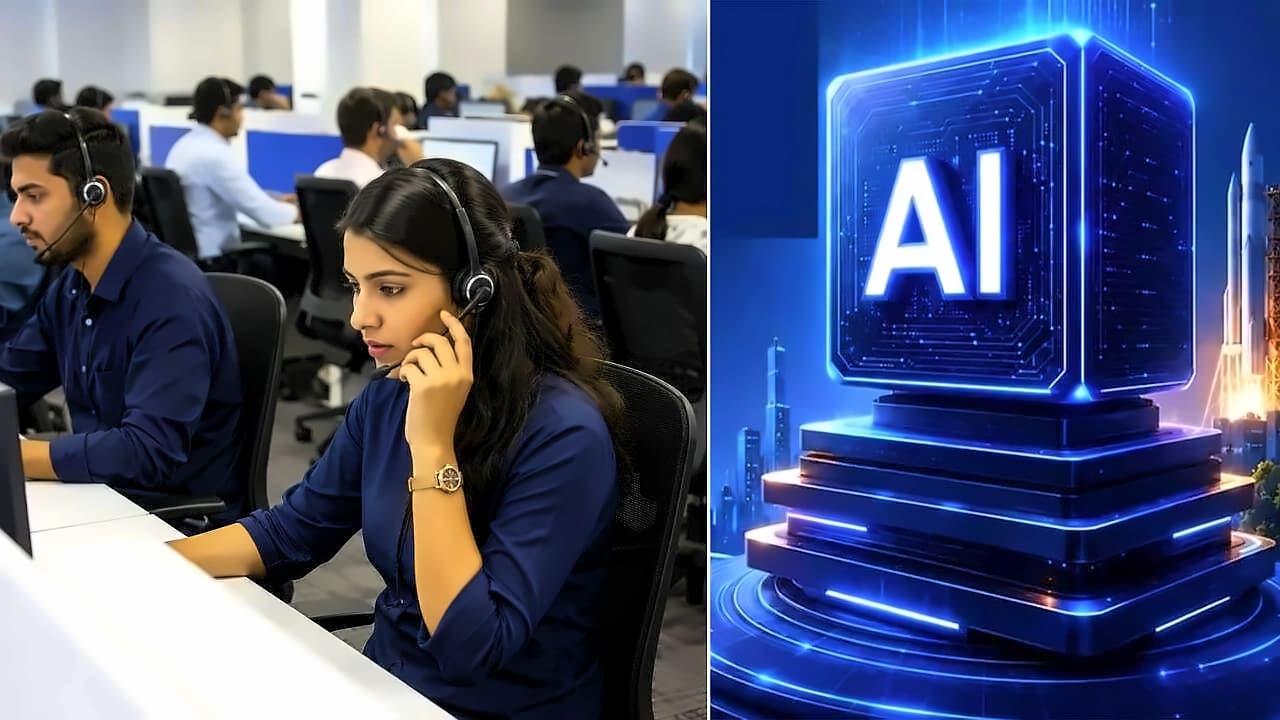
Customer experience capabilities remain core as leaders invest in service quality while automation and AI redesign contact centers and global service delivery, raising the bar for digital fluency and change adoption. The WTW report emphasizes that growing demand for governance and control, especially compliance and documentation or records management as regulations shift and organizations tighten operating discipline. This shift aligns with a broader move towards skills-based workforce strategies where capability frameworks cut across job families and enable more dynamic deployment of talent as priorities change. Recent job postings showcase this transformation, with roles focusing on defining vision, roadmap, and success criteria for digital engagement products ranging from chatbots to SMS capabilities, new Genesys Cloud integrations, and next-generation automated service experiences.
According to the analysis, this transition represents a fundamental shift from the two centuries of economic progress toward narrower forms of specialization. The WTW report suggests that AI acceleration is causing employees to look for growth in new skill-centric ways – not within a single, traditional career progression. For employers, this puts renewed emphasis on transparent skills frameworks and rewards programs that recognize value creation, contribution, and capabilities over outdated job structures. The transition will require workers to learn across functions and adapt continuously, but as Catherine Hartmann concludes, this shift toward skills-based workforce strategies enables more dynamic deployment of talent as priorities change. Recent job postings reflect this evolution, with specialized AI roles becoming available across industries as organizations adapt to the new technology landscape.