Artificial intelligence is fundamentally reshaping India's customer service landscape, with Gartner estimating that by 2029, AI could autonomously resolve nearly 80% of common customer service issues. According to The Times of India, many routine issues are now resolved without human intervention, offering customers quicker responses and round-the-clock support. However, the technology has not eliminated human agents entirely - instead, it has shifted them towards handling complex cases that require judgement, problem-solving, or empathy. As reported by The Times of India, Delhi-based public relations professional Mohit Kumar prefers AI-powered support for simple queries but found automated voice assistants inadequate when booking accommodation, stating that 'AI works well for simple queries, but when a conversation becomes more detailed, talking to a person still makes all the difference.'
The shift represents a fundamental change in how customer service operates, with Harvard Business Review research finding that customers who have positive emotional experiences with companies are 3.5 times more likely to make another purchase and five times more likely to recommend the business. As reported by The Times of India, a former customer executive at a fintech company noted that while AI can handle routine requests efficiently, situations involving complex problem-solving, complaints, exceptions or emotionally distressed customers still require human support. The evolution is creating new responsibilities within customer service teams, with experienced agents monitoring automated interactions, reviewing AI-assisted responses, and ensuring customer conversations meet quality and compliance standards. According to The Times of India, Durgesh Kumar Jha, another public relations professional, emphasized that 'whether it's AI or a human executive doesn't matter as much as someone actually understanding the problem and seeing it through till it's resolved.'
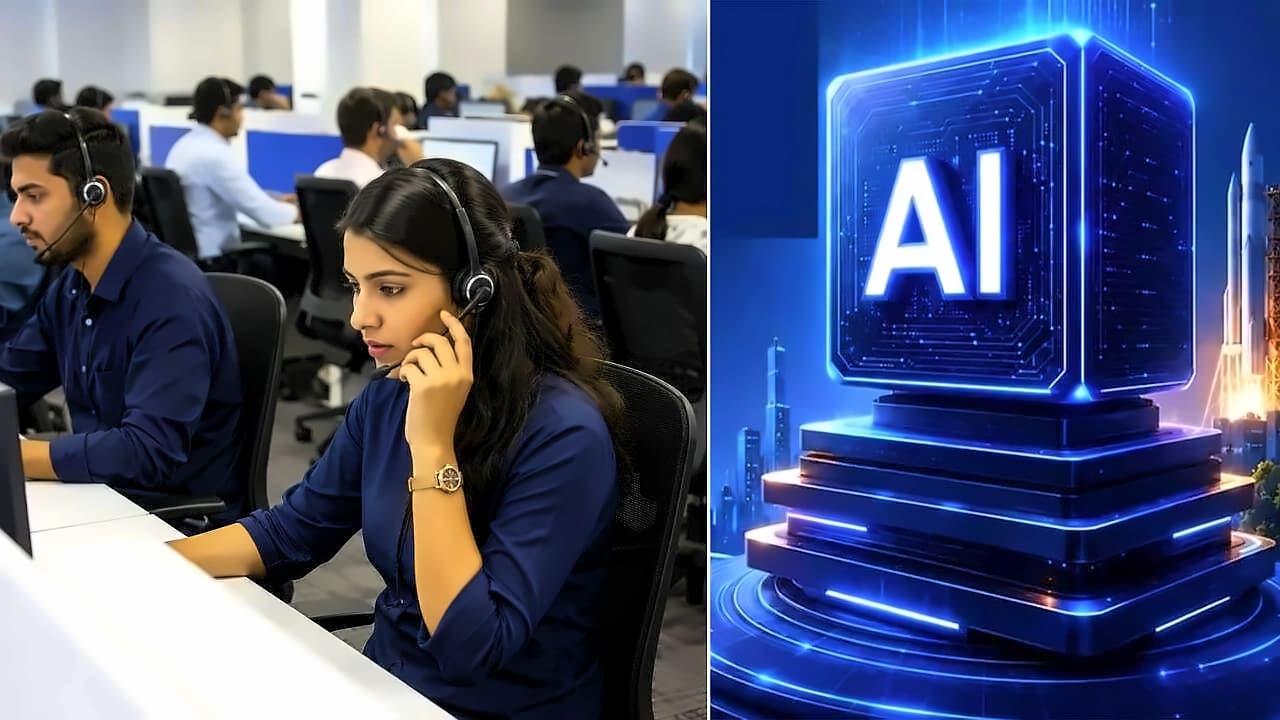
The transformation is particularly significant for India's business process outsourcing (BPO) industry, which is standing at a turning point. As reported by The Times of India, communication remains essential, but today it sits alongside digital literacy, adaptability and the ability to collaborate with AI. The former customer executive explained that AI can efficiently handle routine requests such as password resets and basic troubleshooting, but situations involving complex problem-solving, complaints, exceptions or emotionally distressed customers still require human support. The role of human agents is gradually moving from executing routine processes to supervising and complementing them, with new skills becoming as important as traditional communication skills. According to The Times of India, this represents a shift from choosing between people and machines to deciding how the two can work together effectively.
AI is transforming customer experience beyond simple automation, delivering faster, more personalized interactions and 24/7 support availability. As reported by recent industry analysis, AI-powered chatbots and virtual assistants can instantly respond to routine inquiries while analyzing customer interactions, purchase history, browsing behavior, and preferences to create more personalized experiences. The technology helps unify customer interactions across multiple channels, ensuring seamless support regardless of where conversations take place. AI automates repetitive administrative tasks that consume valuable agent time, allowing organizations to improve productivity while agents focus on customer engagement. Modern customers expect immediate responses and personalized interactions, and AI enables businesses to meet these expectations while providing real-time recommendations and delivering real-time insights that enhance operational performance.