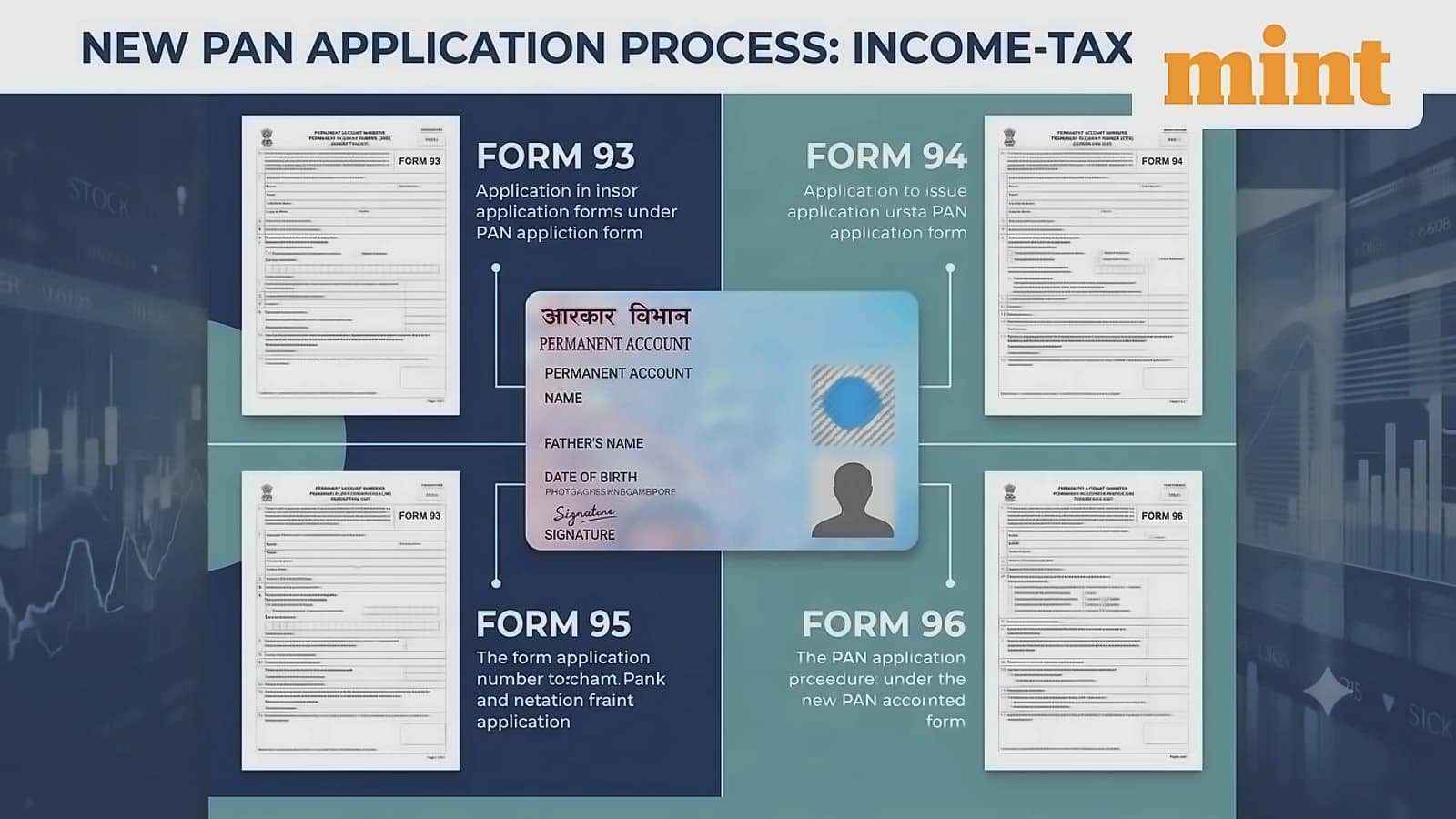
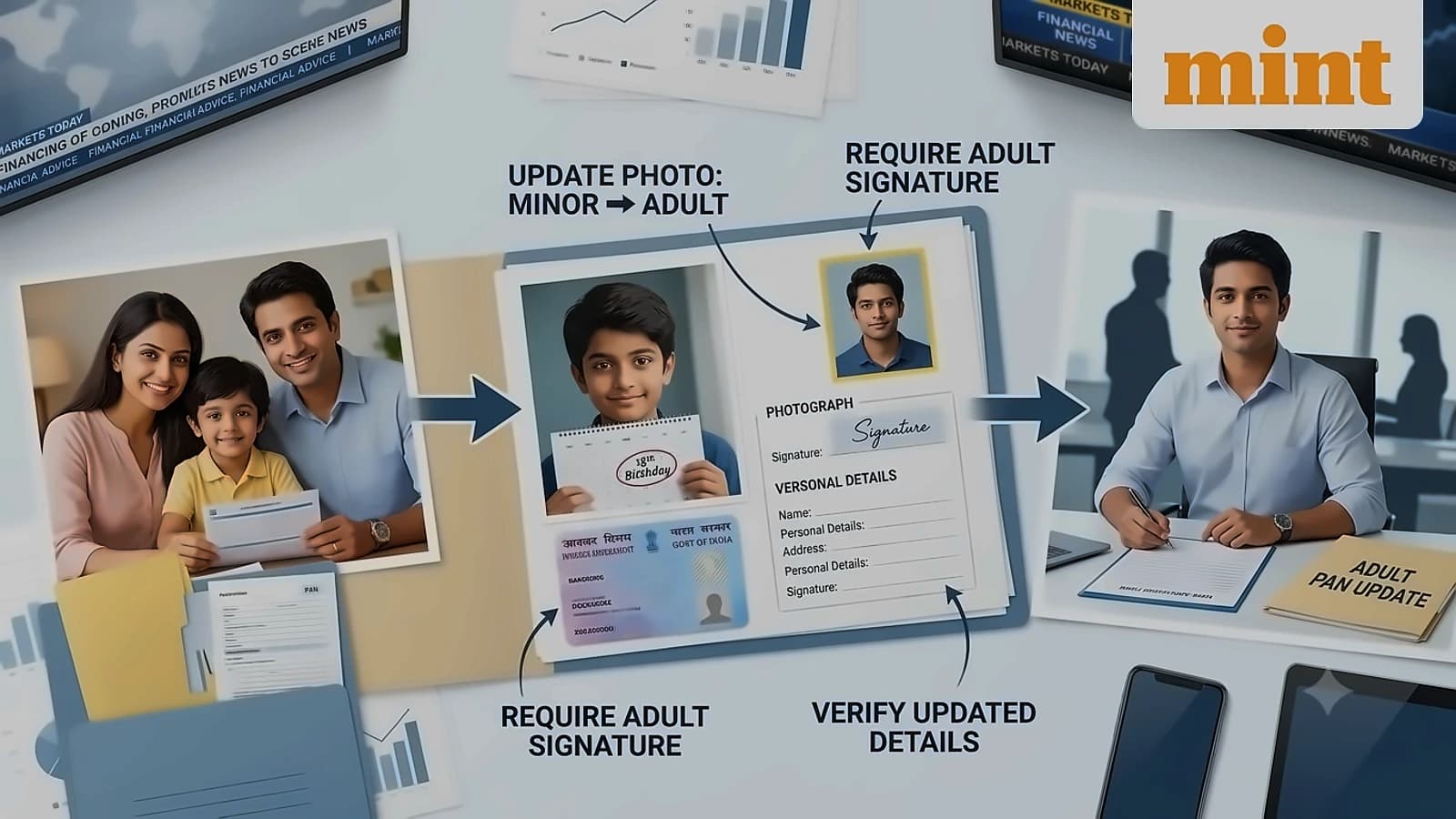
From April 1, 2026, PAN application requirements have become significantly stricter. According to reports from ABP Live News, The Economic Times, and Mint, Aadhaar alone will no longer be sufficient for applying for a PAN. Applicants must now submit additional documents to verify identity and date of birth, including birth certificate, voter ID, Class 10 certificate, passport, driving licence or a magistrate-issued affidavit. Authorities have made it mandatory for the name on the PAN card to exactly match Aadhaar details, removing scope for any variation or mismatch. Applicants must also use revised category-based forms: Form 93 for individuals, Form 94 for companies, Form 95 for foreign individuals and Form 96 for foreign entities. Importantly, applicants can apply for a PAN Card using only their Aadhaar card until March 31, 2026, making this the last opportunity to get a PAN easily through the Aadhaar-based authentication process.
The new rules introduce significant changes to when PAN is required for financial transactions. As reported by ABP Live News, The Economic Times, and Mint, PAN will be needed only if total transactions exceed ₹10 lakh in a financial year, replacing the current daily threshold of ₹50,000 for deposits and withdrawals. For vehicle purchases, PAN will be mandatory only for vehicles priced above ₹5 lakh. Insurance policies now require PAN at the start of every policy, regardless of premium amount, marking a departure from the previous ₹50,000 annual premium limit. Property deals will have a higher threshold for mandatory PAN disclosure, increasing from ₹10 lakh to ₹20 lakh. High-value bills at hotels, restaurants or events will require PAN only above ₹1 lakh, up from ₹50,000, with this threshold being twice the previous limit.
The government has introduced new PAN application forms effective April 1, 2026, replacing the older Form 49A and Form 49AA. As reported by Mint, Indian residents and companies are required to fill Form 93, while non-residents and other entities must use Form 95. These updated forms are mandatory from April 1, with the old PAN forms no longer accepted. The application process requires applicants to visit the official PAN application portal through Protean (formerly NSDL eGov), UTI Infrastructure Technology and Services Limited (UTIITSL), or the Income Tax Department's e-filing portal. Applicants must fill personal details, enter Aadhaar details for identity authentication, upload required documents including Aadhaar and DOB proof, and pay applicable fees online before submitting the application.
According to the new rules reported by ABP Live News, The Economic Times, and Mint, applicants are advised to verify Aadhaar details in advance to ensure consistency. Keeping documents such as passport, voter ID or birth certificate ready will help avoid delays. Using the correct application form and ensuring accurate personal details will be essential under the revised system, as authorities tighten verification while simplifying transaction-related thresholds. The changes are expected to affect individuals, businesses and financial institutions alike, making it important for users to understand the new norms to avoid delays or disruptions in financial activities.
These PAN reforms are part of India's broader digital transformation agenda, focused on financial inclusion, transparency, and streamlined digital transactions. As reported by The Economic Times, initiatives like the Digital India program, widespread Aadhaar adoption, and the Unified Payments Interface (UPI) have built a foundation for enhanced financial monitoring. The changes strengthen anti-money laundering (AML) and counter-terrorist financing (CFT) frameworks, overseen by bodies like the Financial Intelligence Unit-India (FIU-IND), demonstrating commitment to monitoring financial flows. The Reserve Bank of India (RBI) and SEBI continuously update frameworks to ensure financial stability and economic growth, with cash transactions over ₹10 lakh being a key reporting trigger.
While designed to improve compliance, these changes could introduce potential difficulties for stakeholders. For individuals, the need for extra documents beyond Aadhaar might complicate applications, especially for those with outdated records. Financial institutions will face increased operational duties to implement and verify new documentation standards. The broader scope of PAN usage implies increased data collection and monitoring, possibly raising privacy and administrative concerns. Non-compliance with these evolving rules could lead to penalties for both individuals and businesses. Historically, large regulatory overhauls have sometimes caused unintended delays and required significant adaptation from stakeholders, though the government's aim is to simplify compliance for smaller transactions while keeping strict oversight on larger financial activities.