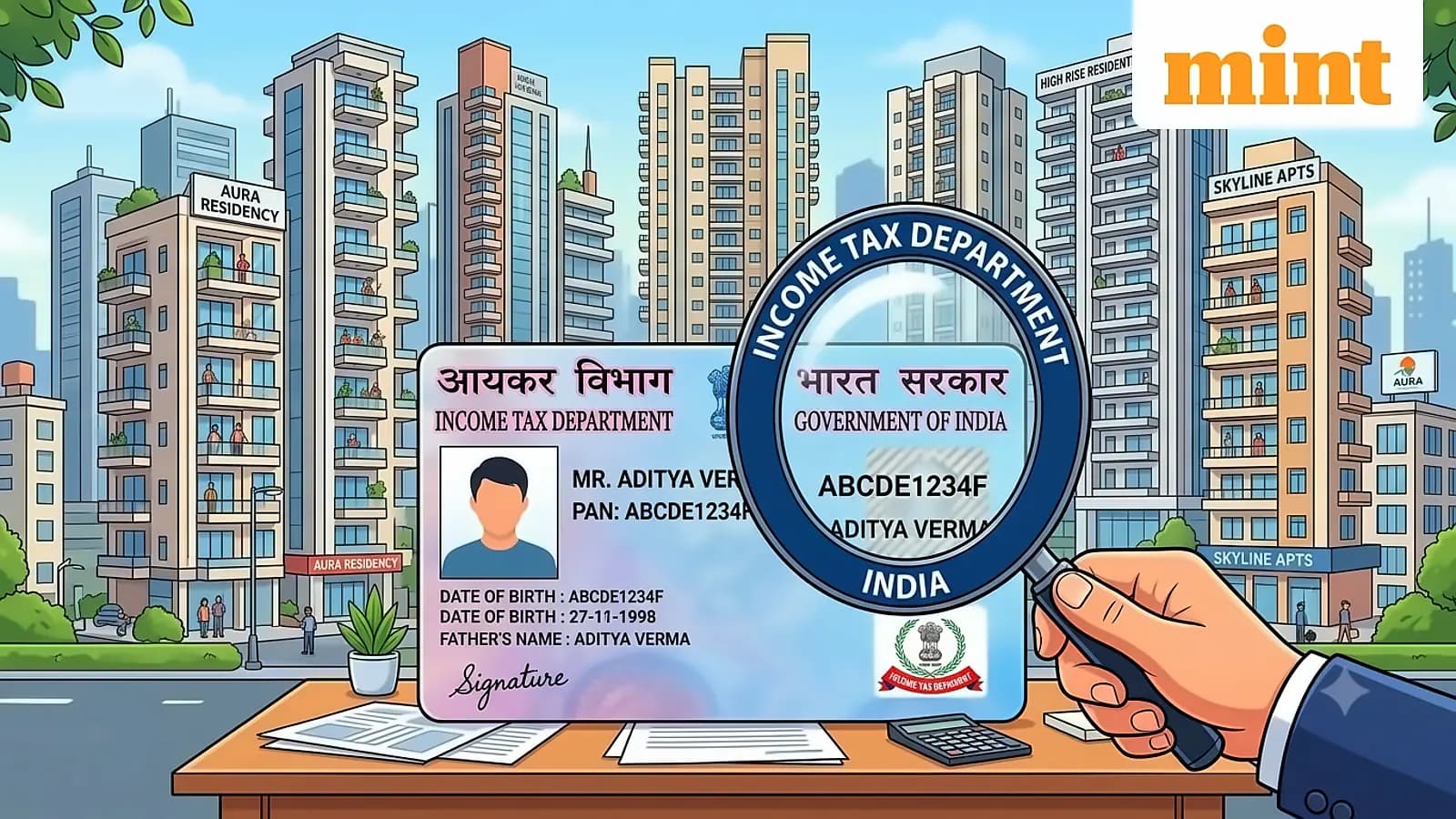
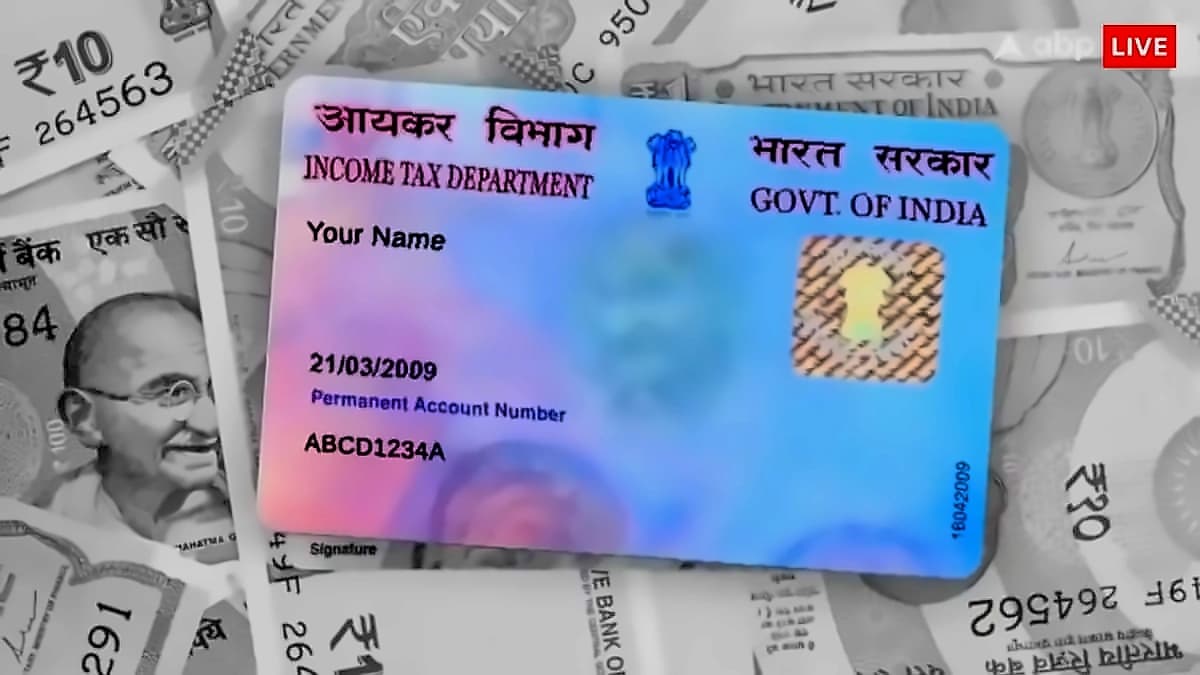
Legal experts confirm that income-tax laws set no numerical limit on properties a person can own under one PAN. According to Amit Ganatra, Executive Director at Khaitan & Co, there is no specific numerical limit under the Indian Income tax Act / Rules on how many properties a person can buy or register using the same PAN. Dinkar Sharma, Company Secretary and Partner at Jotwani Associates, concurred that it is possible for an individual to own multiple residential or commercial properties, "as long as the transactions are bona fide and the source of funds used for the purchase is explainable."
Sharma cited the Statement of Financial Transactions (SFT) reporting requirements, which state that a purchaser or vendor of immovable property "should get such a transaction reported by the concerned registration authority when the value of the transaction or the stamp duty value is ₹30 lakh or more." He added that there is another provision regarding TDS: "In case of purchase of any immovable property, other than specified agricultural land, from a resident vendor, the person purchasing such immovable property (buyer) will normally have to make the deduction of TDS at 1% if the value of sale consideration or stamp duty value is ₹50 lakh or more."
Ganatra provided a comprehensive checklist according to the new I-T Rules (applicable for FY 2026-27 onwards) where PAN is required, including PAN required for purchase, gift, sale or joint development agreement (JDA) in respect of immovable property exceeding ₹20 lakh, SFT reporting by Registrar or Sub-Registrar for purchase, gift, sale or JDA in respect of immovable property exceeding ₹45 lakh, deduction of TDS on purchase of immovable property exceeding ₹50 lakh, reporting of immovable property in ITR (Schedule AL) in case total income of individual exceeds ₹1 crore, and reporting of properties in Schedule – HP (House Property) of ITR (either as self-occupied or deemed to be let out).
Under Section 54B, the sale of urban agricultural land is exempt from capital gains tax if the land was used for agricultural purposes for at least two years before the sale. To claim this exemption, you must purchase another agricultural land (rural or urban) within two years of the transfer date. The sale of rural agricultural land is non-taxable, and income from agricultural land is exempt. Under Section 139(1), if your total income is below the basic exemption limit of ₹2.5 lakhs, filing an ITR is not mandatory. Section 269ST states that no person can accept an amount exceeding ₹2,00,000 from a single person or for a single transaction, with violations attracting a 100% penalty under Section 271DA.
Sharma noted that buying a property does not automatically create an income-tax liability for the buyer, but buyers must explain the source of funds used for purchase. According to him, a notice may be sent if the purchase appears to be out of place in relation to the income of the buyer, there is lack of information about the source of funds, PAN details are wrong or required TDS has not been deducted or paid. Ganatra listed that the department may enquire about sources of funds, withholding tax non-compliance, mismatch in tax records, and difference between consideration and stamp duty value beyond permissible threshold.
As a matter of abundant precaution, an individual should maintain sufficient documentation for every immovable property transaction, including registered sale deed, stamp duty records, evidence regarding source of payment, payment evidence, bank statements, buyers PAN, proof of ownership of property by the seller, reconciliation of income tax records, and loan documents. According to Sharma, the important lesson for buyers is to ensure that correct PAN and identity details are mentioned in the sale deed, to pay through traceable banking channels wherever possible, to comply with relevant TDS requirements and to have documents to support the source of funds.