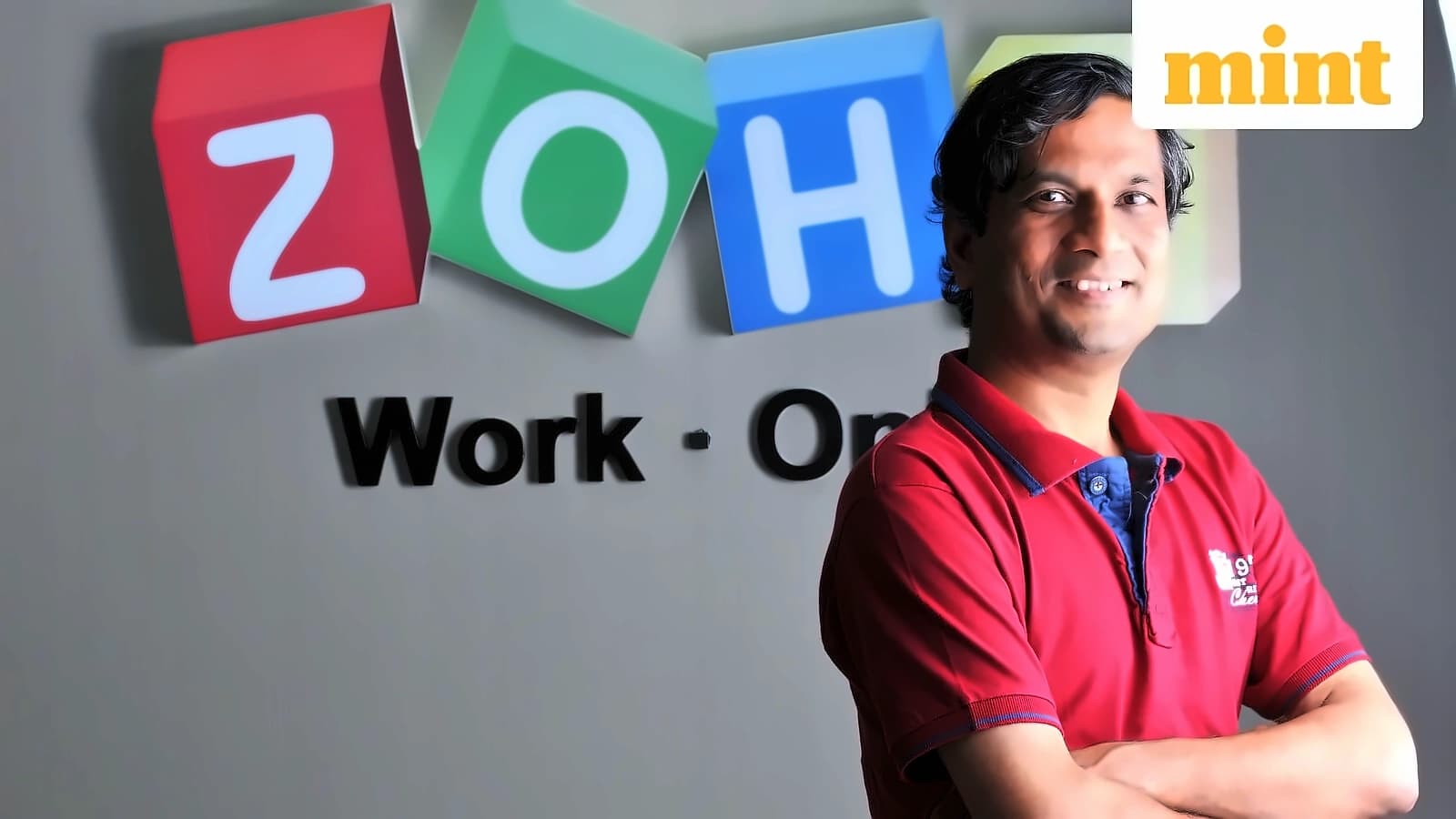
Zoho has built a global software business from Tamil Nadu, operating largely from towns like Tenkasi while avoiding venture capital funding and metro hubs. According to reports from Live Mint, the company serves more than 100 million users across 45+ products and generates over $1 billion in annual revenue, remaining privately held and profitable. Unlike most Indian startups that cluster in Bengaluru, Mumbai or Gurugram, Zoho has invested in building teams in smaller towns closer to India's untapped talent pools. The company's Zoho Schools initiative recruits students without formal engineering degrees, trains them, and integrates them into product teams, with around 15% of Zoho's workforce coming through this internal training program.
The startup landscape has experienced significant changes that make Zoho's approach more relevant. As reported by Live Mint, venture funding into Indian startups fell by over 60% in 2023 compared to its 2021 peak, according to Tracxn. This funding tightening has increased pressure on startups to turn profitable and manage costs more effectively. Zoho's bootstrapped model, which has remained entirely funded through customer revenue without venture capital, provides a contrast to the traditional venture-backed startup approach that continues to dominate the ecosystem.
Despite Zoho's scale, few startups have successfully replicated its comprehensive approach. According to Live Mint, hiring patterns during the 2020-2022 funding boom favored speed over long-term investment, with startups rapidly expanding teams through experienced metro professionals rather than internal training. Shweta Gosavi at CIEL HR noted that models like Zoho's require long-term investment in people, which is harder to sustain under venture-backed pressure to scale quickly. Practical constraints include the need for training infrastructure, internal processes, and management bandwidth that early-stage startups may not possess.
Despite challenges, elements of Zoho's approach are gaining attention as funding becomes more selective. As reported by Live Mint, Samiksha Wankhede, a senior executive at a recruitment firm, noted increased openness to hiring outside metros, especially after the pandemic. However, most companies are still figuring out how to implement this approach at scale. The shift beyond traditional hubs represents a broader trend, but Bengaluru, Delhi-NCR and Mumbai together account for the majority of startup hiring demand in India, according to TeamLease, highlighting the continued dominance of metro ecosystems.