A young innovator from Uttarakhand has achieved a significant breakthrough in India's advanced air mobility sector by successfully test-flying a prototype of a fully electric personal flying vehicle. Ravi Tamta, an entrepreneur from Kaflikhan village in Almora district, has developed the HAPIDA SKYNeX through his startup, Hapida Sky Private Limited. This development represents a major milestone in India's drive to develop next-generation transportation solutions, marking the first major milestone after years of research and development. The test flight was conducted on open ground in Almora, with Tamta and his team carrying out the early evaluation, as reported by NDTV. Calling it the biggest milestone of his career, Tamta said the successful lift-off was the result of years of research, struggle, experimentation and relentless effort. "Today is a very big day in my life. I am extremely happy and proud to share that the first successful flight of HAPIDA SKYNeX is the result of years of research, struggle, experiments and continuous efforts," he said after the test.
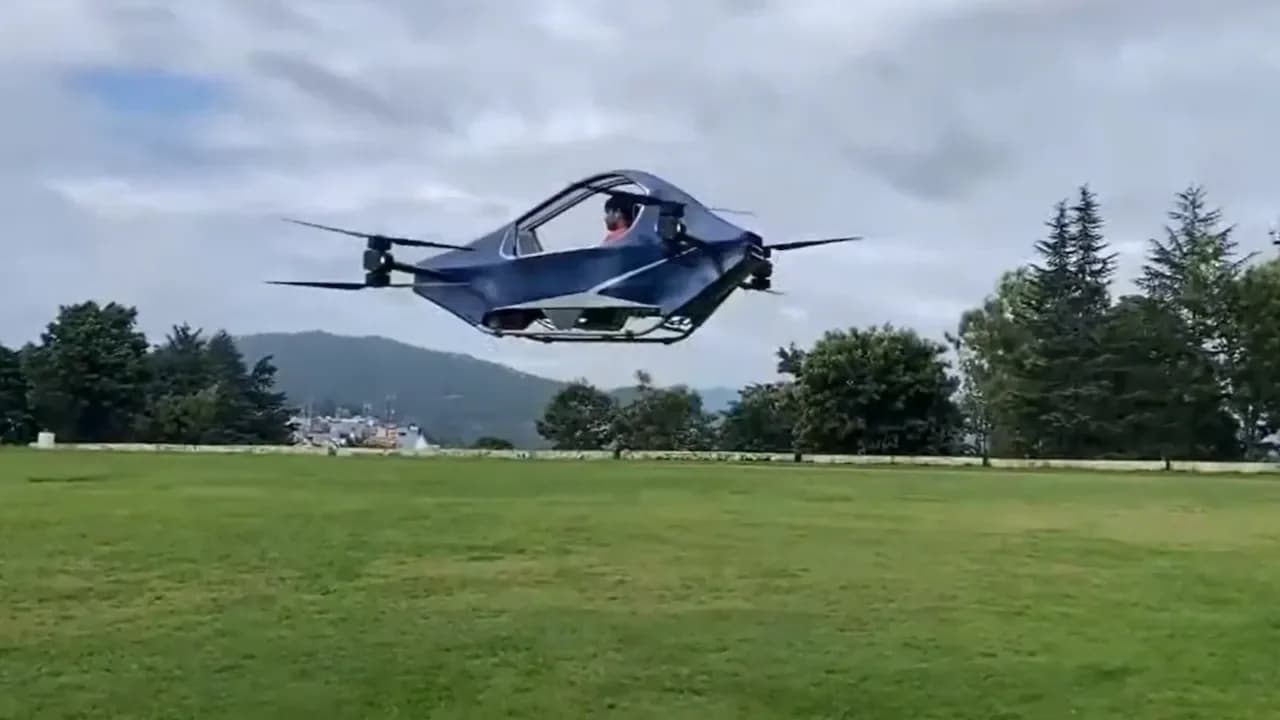
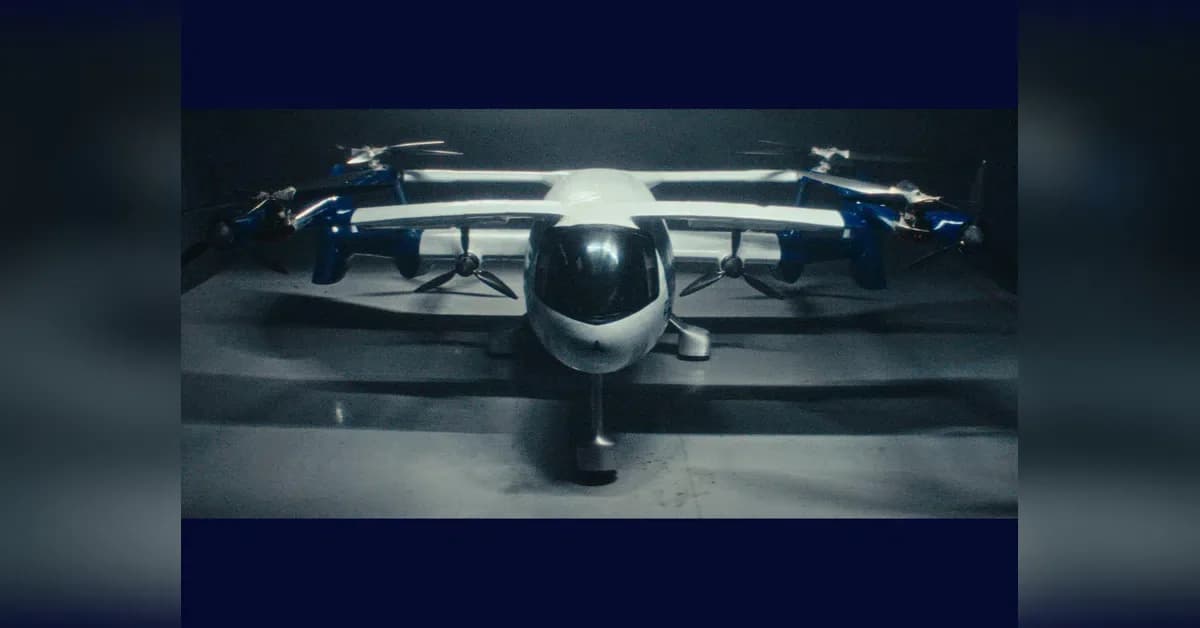
The HAPIDA SKYNeX is described as a fully electric personal flying vehicle, marking it as a significant advancement in the electric aviation sector. As reported, the vehicle is currently in the prototype stage and will require extensive testing and regulatory approvals before commercial deployment. The prototype is understood to use a compact multi-rotor arrangement inspired by drone technology, with a single-seat multi-rotor design. Unlike conventional flying machines that rely on aviation fuel or experimental vehicles exploring ethanol-based propulsion, the HAPIDA SKYNeX is designed as a fully electric flying vehicle, making it an environmentally friendly alternative with zero tailpipe emissions. This environmentally conscious design aligns with the project's aim to make safe, affordable and sustainable personal air transportation accessible in India. However, detailed technical information including battery capacity, flight duration, speed, payload and charging time has not yet been publicly disclosed.
The HAPIDA SKYNeX addresses a practical problem familiar to many people in mountainous regions. Tamta explains that a road journey of around 40 kilometres between his village and home can take nearly 90 minutes. In his vision, a personal flying vehicle could cover the same distance in about 10 to 15 minutes, as reported by NDTV. The vehicle aims to reduce mountain travel time from 90 to 15 minutes, making it particularly valuable for remote Himalayan villages where road infrastructure is limited. The technology could also support disaster relief and emergency response during landslides and floods, while providing faster access to isolated regions. This achievement represents a major milestone in India's transportation innovation landscape, demonstrating the country's capabilities in developing advanced air mobility solutions and highlighting the potential for homegrown startups to contribute significantly to the country's emerging advanced air mobility ecosystem.
The successful test flight has generated significant interest on social media platforms, with users praising the achievement as a potential game-changer for hill transportation. "Amazing! This can be a game changer for transportation in the hills," one user wrote on social media, while another commented "We need more of such innovators rather than degree-dhaaris." Others called it "the first major innovation from Uttarakhand" and urged authorities to recognise and support Tamta's work, with "Great news from our hills" being another common sentiment. The viral response highlights the public's enthusiasm for indigenous innovation and demonstrates the potential for such technologies to transform mountainous regions' connectivity challenges.
The achievement has received significant recognition from Uttarakhand's Chief Minister, who praised Tamta's innovative spirit and technological advancement. Uttarakhand Chief Minister Pushkar Singh Dhami congratulated Ravi Tamta for the successful flight test and praised his achievement, stating that "this achievement of yours demonstrates that there is no lack of talent, innovation, or scientific mindset among our youth." The Chief Minister further added that "your innovative endeavour serves as a source of inspiration for young people not only in Uttarakhand but across the entire nation." Despite the successful demonstration, the project remains at the prototype stage and will require extensive testing to evaluate performance, reliability and safety before securing necessary regulatory approvals for commercial deployment. The current demonstration should be viewed as an important proof of concept rather than a market-ready product, as reported by multiple sources.