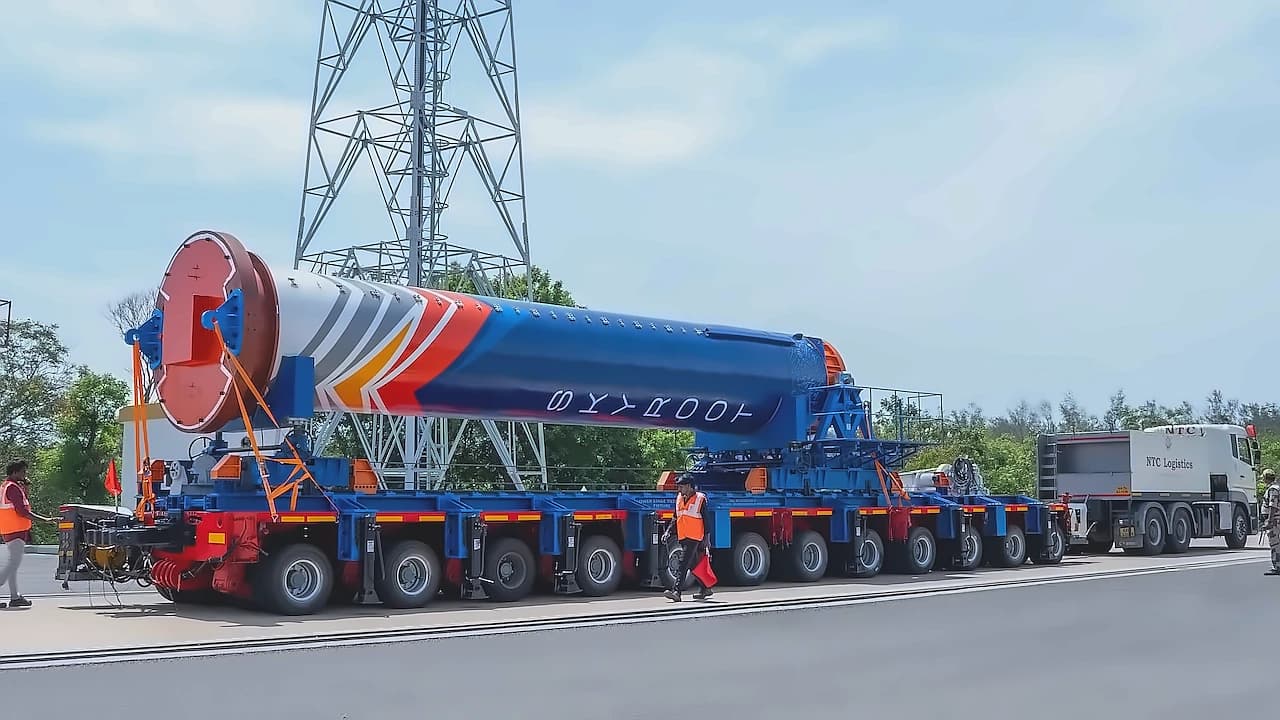
Hyderabad-based space startup TakeMe2Space announced that its PowerBank-50 satellite battery pack successfully completed its first space mission aboard Skyroot Aerospace's Vikram-1 on its maiden flight, Mission 'Aagaman', launched from the Satish Dhawan Space Centre in Sriharikota on July 18, 2026. According to reports from Business Standard, the mission marked a landmark achievement as Vikram-1 became the first privately developed Indian rocket to reach orbit, making India only the third country in the world, after the United States and China, where a private company has achieved orbital launch capability. The mission was a landmark for India, as Vikram-1 became the country's first privately developed rocket to reach orbit.
A single PowerBank-50 unit powered Cosmoserve Space's experimental payload on the launch vehicle's Orbital Adjustment Module (OAM) at an altitude of 450 km, successfully withstanding launch vibrations and the harsh conditions of space. As reported by Business Standard, TakeMe2Space founder and CEO Ronak Kumar Samantray emphasized that "Every satellite mission lives or dies by its power system, which is why nobody wants to be the first to fly a new battery. We are grateful that Cosmoserve trusted PowerBank-50 on a mission of this significance. Flying on the first private Indian rocket to reach orbit, and performing flawlessly at 450 km, is the strongest validation a product can earn. PowerBank-50 is now space proven, made in India, and ready for every satellite builder in the world." With this successful mission, PowerBank-50 has earned flight heritage—a key requirement in the satellite industry that proves a component has performed reliably in space. The battery validated its lithium-ion cells, battery management system, heaters and aluminium enclosure under real orbital conditions, moving from ground-tested to flight-proven status.

The PowerBank-50 is available off the shelf at ₹1,04,900, representing a fraction of the cost of comparable imported packs and allowing any satellite builder to purchase a flight-proven, made-in-India power system without long import lead times. According to Business Standard, this milestone means builders no longer need to depend on imported battery packs with long lead times to de-risk their missions. The achievement gives Indian satellite developers access to a locally built, off-the-shelf battery pack, reducing costs and import delays. The product uses cells with among the highest energy density available for small satellites and carries onboard intelligence that manages, balances and reports battery health to operators on the ground.
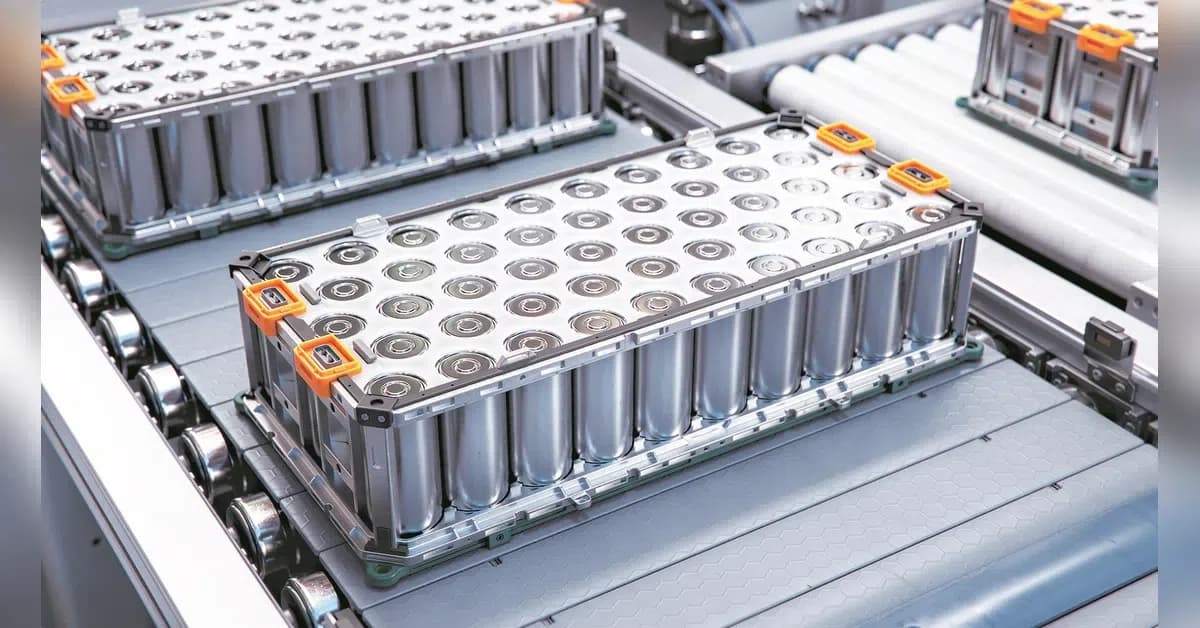
The PowerBank-50 packs more than 50 Wh of energy storage into a unit weighing 380 grams, about the weight of a smartphone, and is designed to power anything from a CubeSat to a microsatellite with a mission life of up to five years in low Earth orbit. As reported by Business Standard, the battery uses high-energy-density lithium-ion cells, intelligent battery management system, cell heaters and aluminium flight enclosure, validating its entire chain in real environment conditions. The achievement makes reliable space power more accessible for startups, universities and satellite manufacturers, reducing the technological and financial barriers to space missions. Multiple packs can be joined for CubeSats and larger microsatellites, with the unit designed to support services that people use every day, including communication systems, computers and scientific instruments.