India's distributed energy storage infrastructure represents a significant untapped resource for grid management. According to reports from Business Standard and Bloomberg, Luminous has 100 million customers across India, with typical systems holding one or two kilowatt-hours of capacity. This suggests that low-voltage equipment could be holding more than 100,000 megawatt-hours of charge, comparable to some of the largest lithium-ion fleets. The current government plans call for increasing large-scale battery storage capacity from 798 MWh to 208,000 MWh by 2030, equivalent to the power of 3.5 million electric cars. As noted by Preeti Bajaj, executive vice president of home solutions at Schneider Electric SE, India has been into distributed energy far longer than California, highlighting the country's pioneering role in this sector.
The market is witnessing a technological shift from traditional lead-acid to lithium-ion systems. As reported by Business Standard and Bloomberg, while up-front prices are increasingly converging, lifetime costs are already far lower due to lead-acid's rapid degradation. Newer lithium-ion packs are smaller, lighter, and don't contain easily-spilled acids, making them better suited for crowded homes. For approximately ₹30,000 ($313), consumers can now purchase a lead-acid system capable of running an induction cooktop, addressing cooking gas shortages after the closure of the Strait of Hormuz. Most Indian bill-payers are expected to move within the next few years to smart meters, which will put a hard monetary value on the benefits of charging home batteries during midday solar peaks. The spread of consumer finance enables households to pay for purchases via monthly installments rather than lump sums, making battery adoption more accessible.
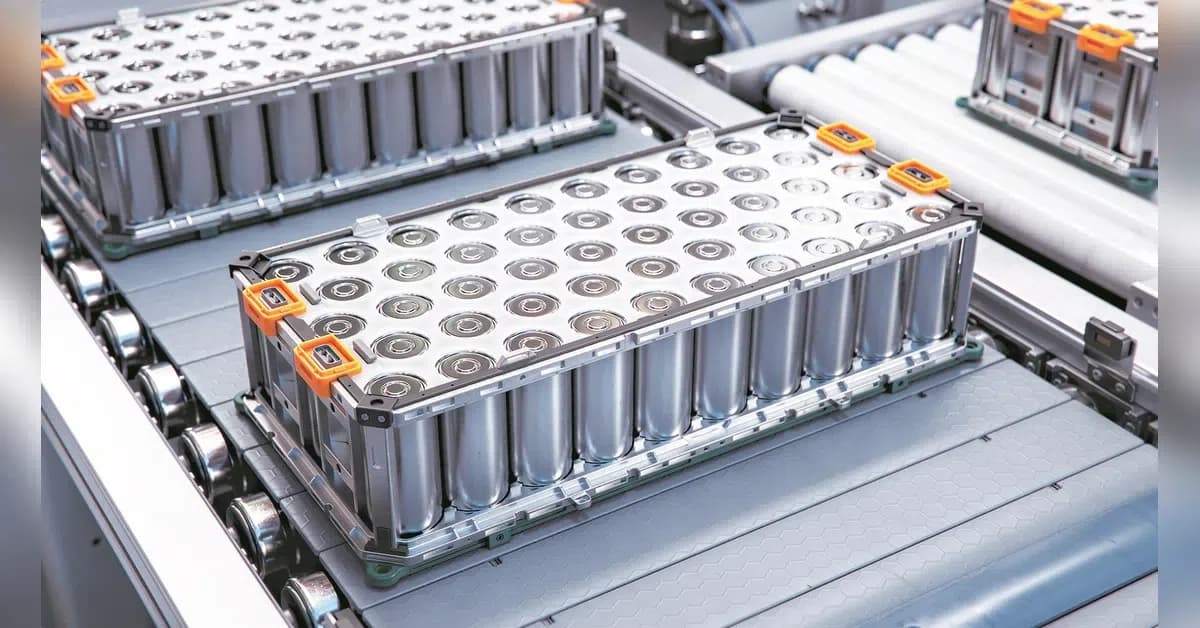
The distributed battery network could significantly address India's grid stability challenges. According to Business Standard and Bloomberg, adding a typical battery to each of the 10 million home solar systems being installed by 2027 under subsidy programs would provide an extra 50,000 MWh of storage capacity. Even small inverter-based systems distributed among more than 100 million urban households could store an additional 100,000 MWh or more. This infrastructure could help transfer the looming surplus of midday solar power into evening deficit hours when solar panels switch off. As noted by Bloomberg, rising temperatures and incomes are sharply increasing the number of AC units pumping out cool air and sucking in electrons just as the sun goes down, creating grid strain that vast quantities of electricity are currently being thrown away because the grid can't handle it when it's available. The recent award of a 125 MW/500 MWh BESS project to MKC Green Energy from UPPCL demonstrates the growing commercial viability of large-scale battery storage solutions in addressing grid reliability challenges.
The sector is experiencing growth driven by rising electrification and energy efficiency needs. As reported by Business Standard and Bloomberg, the spread of consumer finance enables households to pay for purchases via monthly installments rather than lump sums. Most Indian bill-payers are expected to move within the next few years to smart meters, which will put a hard monetary value on the benefits of charging home batteries during midday solar peaks. The benefits could stretch well beyond household convenience, as the same spirit of self-reliance that has made households depend on home back-up for decades may help leapfrog wealthier nations on the road to electrification. However, what's still lacking is an iPhone moment for home batteries: a killer device that combines the keen price sought by consumers with the simplicity that households in developed markets expect. The increasing number of battery storage tenders being issued by utilities across India reflects growing confidence in the technology's commercial viability and strategic value, with falling battery costs, improvements in storage efficiency, and supportive policy frameworks accelerating adoption across global energy markets.