India's flexible workspace market has achieved its strongest-ever first half performance in 2026, with flex operators leasing 191,306 seats across the country's top eight cities, representing a 68.4% year-on-year increase from 113,623 seats in the same period last year. According to Cushman & Wakefield, this surge reflects corporates increasingly preferring flexible workspace solutions offered by coworking operators. The segment also recorded 8.4 million sq ft of gross leasing volume (GLV) during H1 2026, the highest-ever half-yearly volume for the segment and 55% higher than the 5.4 MSF recorded in H1 2025. Flex operators accounted for nearly 20% of the approximately 43 MSF of total office leasing activity during the period, compared with 13% in H1 2025, demonstrating how fundamentally workplace preferences have shifted with flex leasing now contributing close to 20% of annual commercial leasing activity in India.
Mumbai saw a sharp jump as coworking operators leased 25,820 desks in the first half of this year as against 11,226 desks in the year-ago period, representing a 130% increase. Bengaluru rose 32% to 57,487 desks from 43,616 desks, while Hyderabad experienced a more than two-fold jump to 40,451 desks from 14,936 units in the corresponding period of the preceding year, with significantly faster growth of 170.8% YoY. Mumbai and Delhi NCR also witnessed strong expansion, with flex seat leasing volumes rising 152.7% and 130% respectively. Pune recorded a 27.8% increase in seat uptake, while Chennai posted more modest growth of 3.6%. Ahmedabad registered the sharpest percentage increase, with flex seat leasing jumping 570.3% YoY, albeit from a relatively small base, and Kolkata recorded a 48% increase.
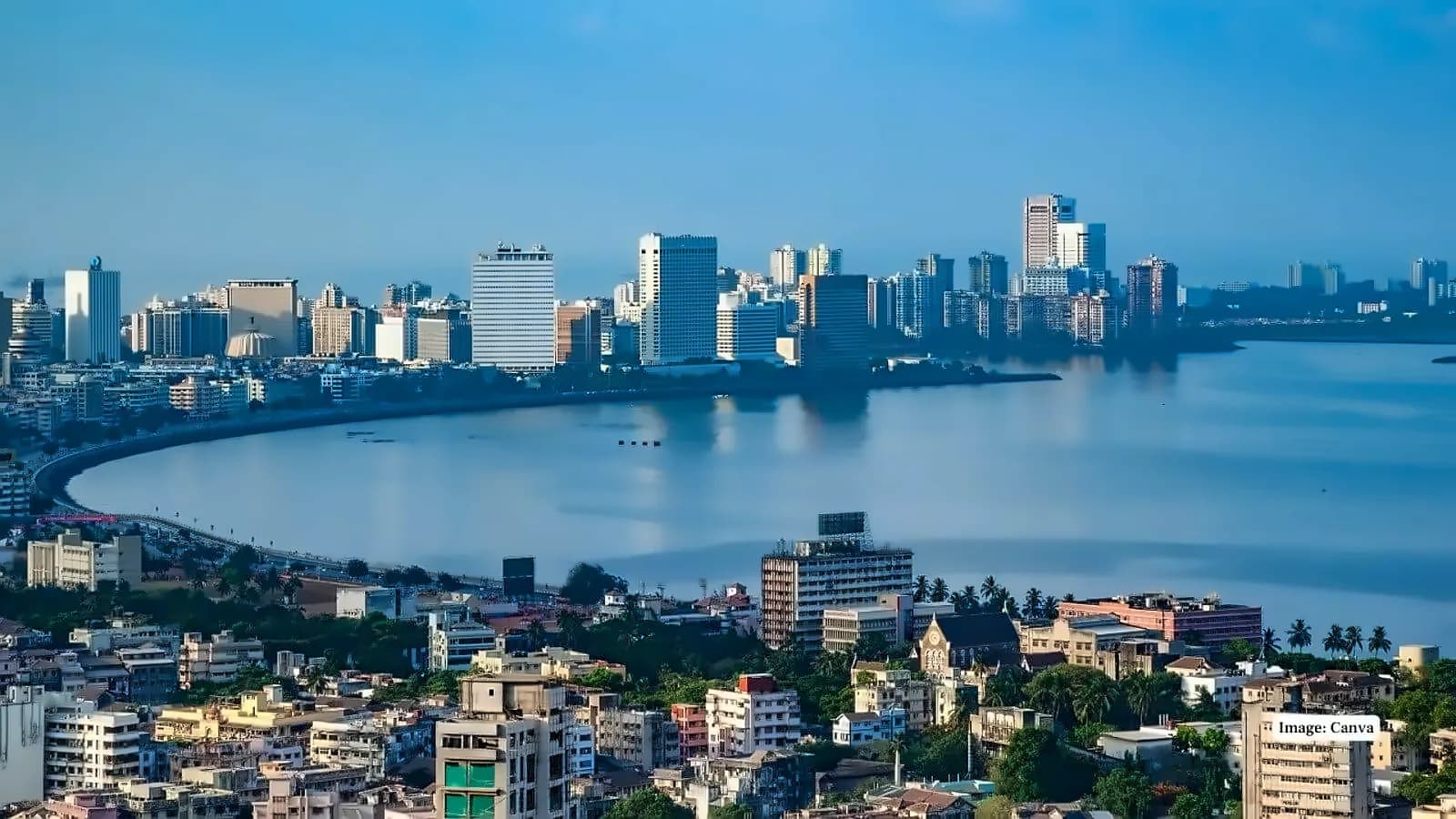
Mumbai has achieved a significant milestone by becoming the only Indian city to feature in IWG's 2026 Work From Anywhere Index, scoring 77 points and finishing 50th globally. According to The Times of India, the city's debut in the fourth edition of the annual index positions it among destinations evaluated not just for travel appeal but also for their effectiveness as temporary offices. IWG's comprehensive assessment evaluates cities based on climate, broadband speed, accommodation, transport, food, culture and flexible workspace availability. The ranking comes amid a growing shift towards work-from-anywhere arrangements, with hybrid working allowing employees to combine holidays with remote work without taking extended leave. The annual index examines the attractions and practical difficulties of working remotely from different cities, scoring destinations on climate, broadband connectivity, accommodation, transport, food, culture, local activities and the availability of flexible workspaces. As reported by The Times of India, IWG noted that Mumbai's entry into the 2026 index points to the maturing of India's remote-work infrastructure and the city's rising appeal among professionals looking for alternative working locations.
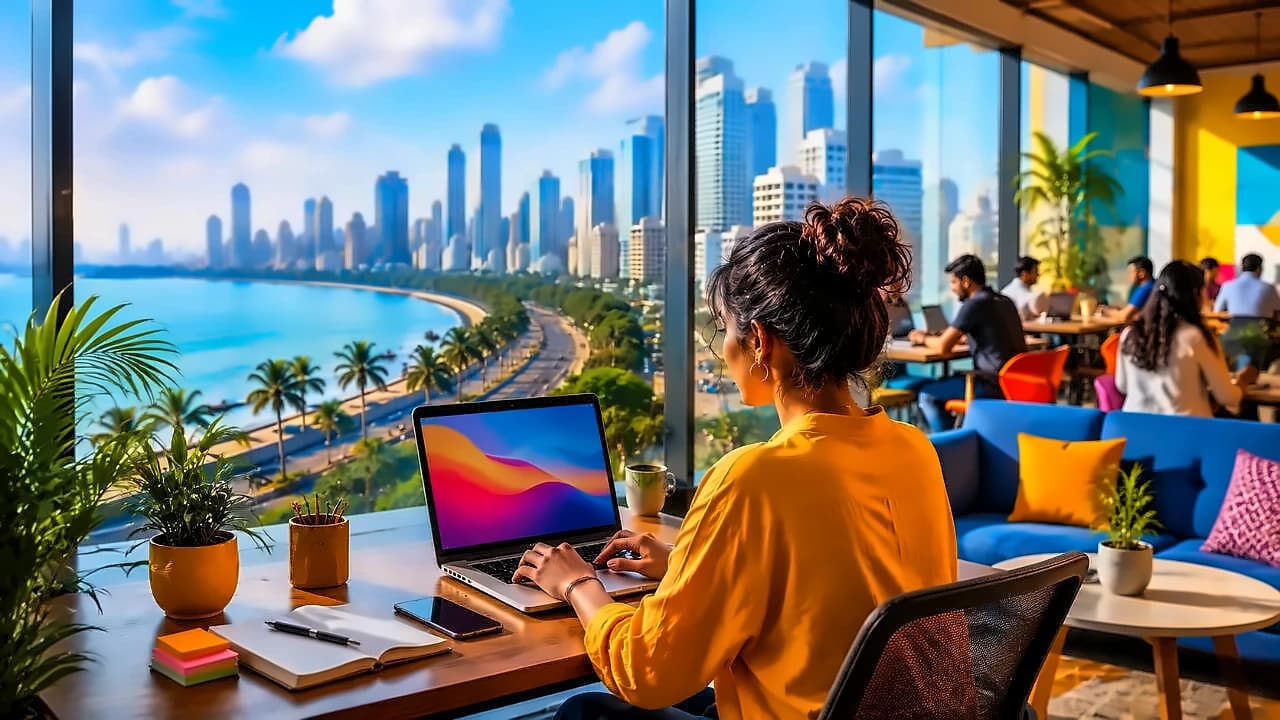
The coworking boom has translated into significant real estate expansion, with coworking operators taking on rent for 8.4 million sq ft office spaces in January-June 2026, a 55% increase from 5.4 million sq ft in the year-ago period. According to Cushman & Wakefield, this growth demonstrates how flexible workspaces have firmly established themselves as a core element of corporate real estate strategies. Ramita Arora, Executive Managing Director, Bengaluru & Head - Flex, India, Cushman & Wakefield, noted that as enterprises seek greater agility and efficiency, flex and managed office solutions are becoming an integral part of long-term workplace planning. Arun Narayan, Co-Founder & Chief Growth Officer, BHIVE Workspace, emphasized that leasing nearly 70% more seats in the first half of the year is a strong indication of the growing preference for flexible, enterprise-ready workspaces. The expansion reflects the global capability centres (GCCs) continuing to be a significant demand driver for flexible workspace solutions, with GCCs emerging as key demand drivers for the sector's growth.
Mumbai's inclusion aligns with India's expanding flexible workspace market, which has achieved remarkable global recognition. According to data from Cushman & Wakefield's Global Trends in Flexible Office 2025 report, India scored 100 on the flexible workspace maturity index, surpassing the UK at 98, France at 97 and the US at 81. As reported by The Times of India, India was also the largest flexible office market in the Asia-Pacific region, with 79.7 million square feet of stock across its top eight cities as of the second quarter of 2025, with stock expected to cross 100 million square feet in 2026. Mumbai accounts for approximately 7.9 million square feet of this national inventory, with Bengaluru holding approximately 21.1 million square feet - nearly 30% of the national inventory. The broader opportunity extends beyond Mumbai, with Bengaluru, Hyderabad, Delhi-NCR, Pune, Goa and emerging Tier-2 cities having the potential to compete for globally mobile professionals as digital infrastructure and flexible workplaces expand.
The index recognition reflects broader global trends in remote work policies, with separate research commissioned by IWG showing 51% of workers already have Work From Anywhere policies from their employers. According to The Times of India, 90% of respondents reported improved work-life balance and 80% improved productivity under these policies. The flexibility is influencing employment decisions, with 80% saying a work-from-anywhere policy would make a new job more attractive, while 62% would consider changing jobs for a better policy. The trend is already visible, with 43% saying they had worked remotely from a holiday destination without using annual leave. Nearly 48% plan to extend a holiday or mini-break by working remotely in 2026, while 46% are more likely to do so than the previous year. Significantly, 38% of workers consider access to flexible workspace when selecting a remote-working destination, highlighting the growing importance of workspace availability in work-from-anywhere decisions. The modern workcation is no longer simply a holiday with a laptop packed into the suitcase - a city must offer reliable connectivity and places to work alongside the food, weather and experiences that make people want to stay after the Zoom call ends.